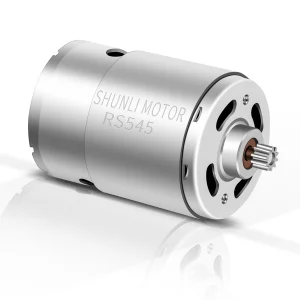
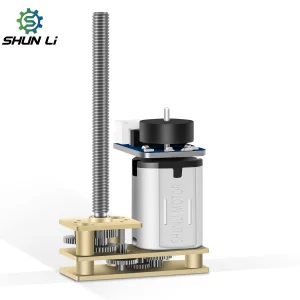
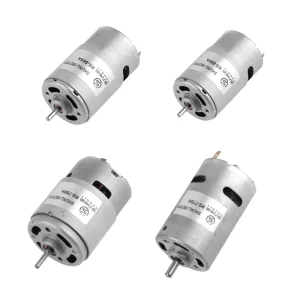
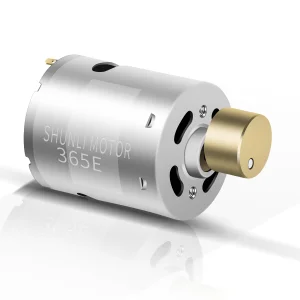
Featured components engineered for high torque density, low noise floors, and micro-scale mechanical integration.
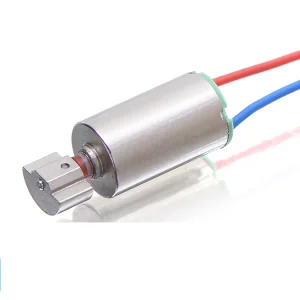
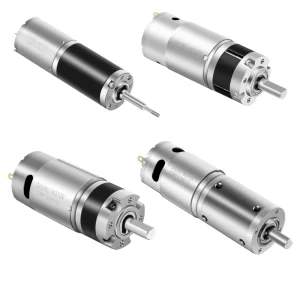
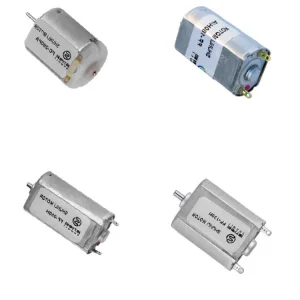
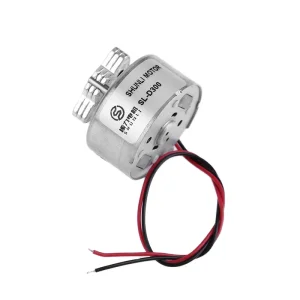
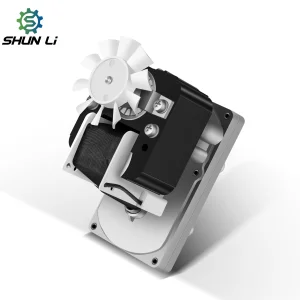
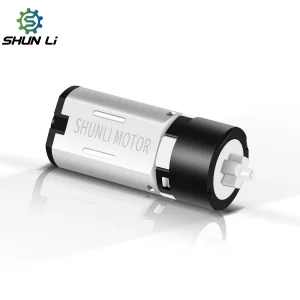
In international sourcing, finding a motor supplier is easy—but finding a partner who guarantees uncompromised batch consistency from the first prototype to the 100,000th production unit is a challenge. YWOO Motor was founded to eliminate that uncertainty. We are a fully verified, factory-direct China manufacturer specializing in high-torque Micro DC, BLDC, and Gear Motors.
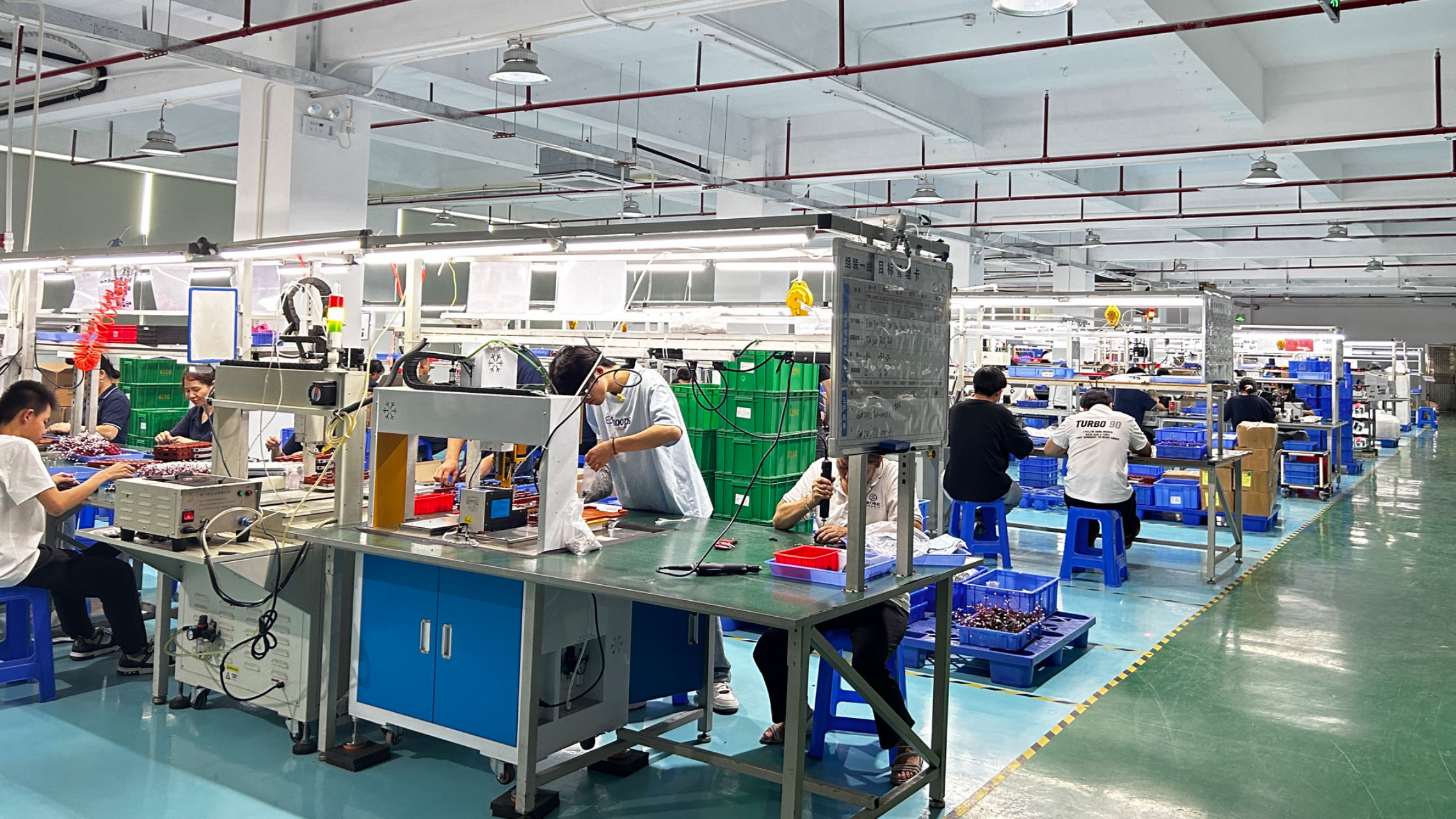
We don't operate through trading facades. When you partner with YWOO Motor, you gain direct access to our ISO9001-certified production facility, transparent lead times, and an agile raw material supply chain that cushions your project against global market volatility. By implementing strict automated manufacturing and 100% pre-shipment performance testing under real industrial loads, we ensure that what arrives at your assembly line matches your approved technical blueprints perfectly. No communication gaps, no hidden delays—just reliable, factory-direct efficiency.

An in-depth analysis of engineering parameters, manufacturing advantages in China, and supply chain security protocols for global buyers.
A rotary actuator is far more than a simple electric motor; it is a complex, integrated system combining a prime mover—typically a High-Torque BLDC Motor or a precision Brushed DC Motor—with a reduction gearbox and, frequently, electronic feedback mechanisms. In micro-drives, torque density, backlash limits, and thermal efficiency dictate the system's operational viability. Engineers must optimize the balance between physical envelope limitations and output requirements.
Key parameters include:
Utilizing high-slot fill factor windings and optimized slot-pole combinations to minimize cogging torque and rotor inertia.
Specifying custom metal and engineering polymer gear materials paired with high-performance lubricants to guarantee a service life exceeding 10,000 hours.
Thermal management design engineered to dissipate heat continuously, preventing magnet demagnetization under peak stall currents.
Sourcing rotary actuators directly from verified Chinese factories yields distinct competitive advantages beyond simple labor arbitrage. The true value lies in the vertical integration of the industrial supply chain. China controls approximately 70% of the world's rare-earth processing capacity. This proximity directly benefits motor manufacturing by ensuring direct, priority access to high-grade NdFeB magnets, minimizing material surcharge volatility for brushless motors.
Additionally, manufacturing hubs in regions like Shenzhen and Jiangsu feature complete, localized supply chain ecosystems. Within a 50-kilometer radius, factories can source high-purity copper windings, specialized steel laminations, high-precision gear hobbing tools, and automated surface treatment facilities. This level of clustering reduces material lead times, accelerates rapid prototyping, and lowers overall manufacturing costs. Furthermore, it enables agile customization, allowing engineers to quickly modify shaft designs, gear ratios, or electrical connections without delaying production timelines.
Maintaining micro-drive reliability across large-volume production requires strict process control. A single microscopic defect in gear profile geometry or a cold solder joint on a BLDC controller board can lead to field failure rates. At YWOO Motor, we mitigate this risk through our structured, multi-stage production and quality control system, documented below:
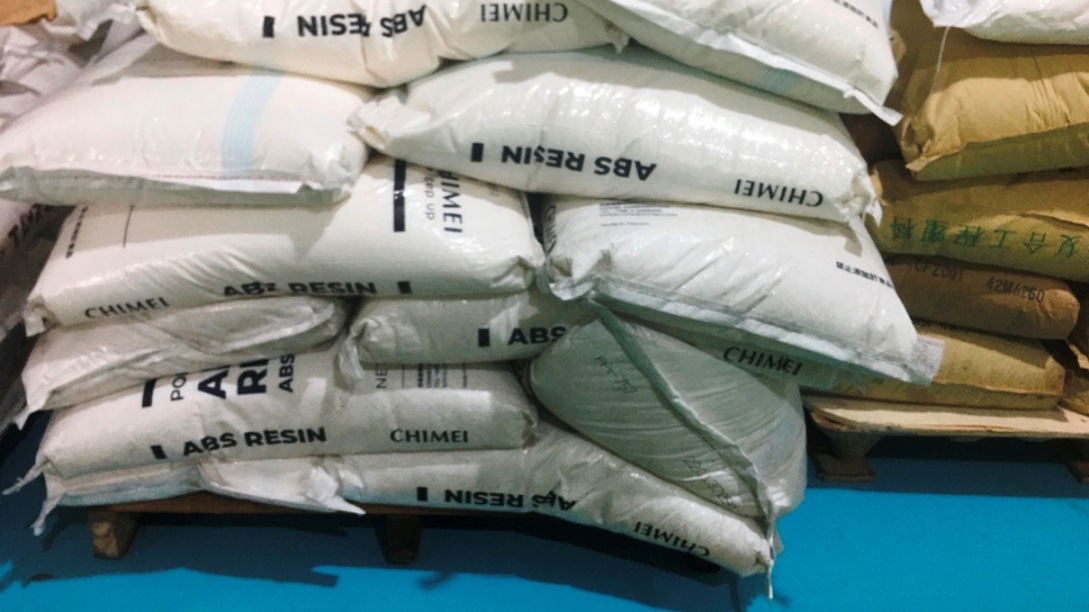
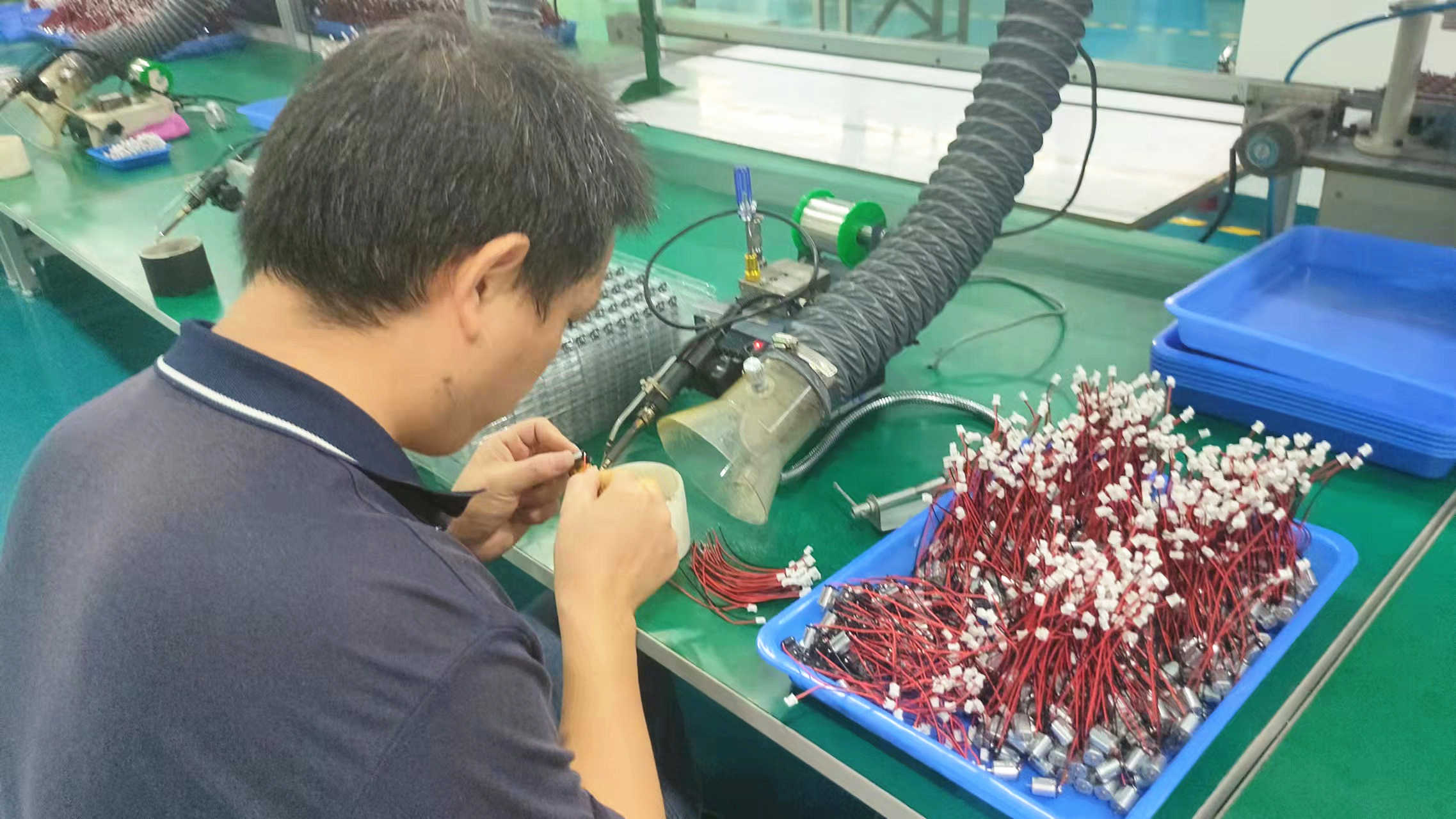
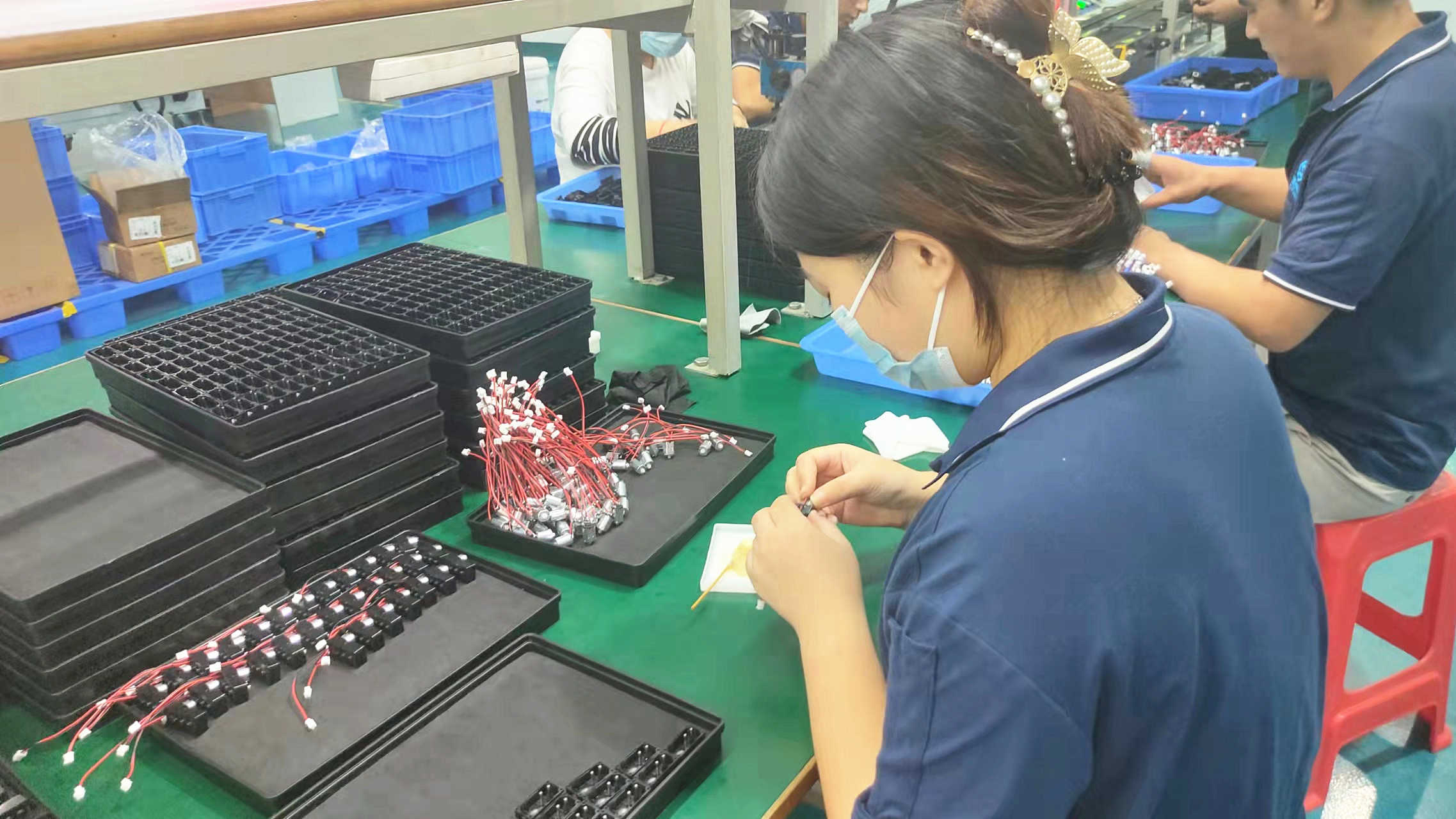
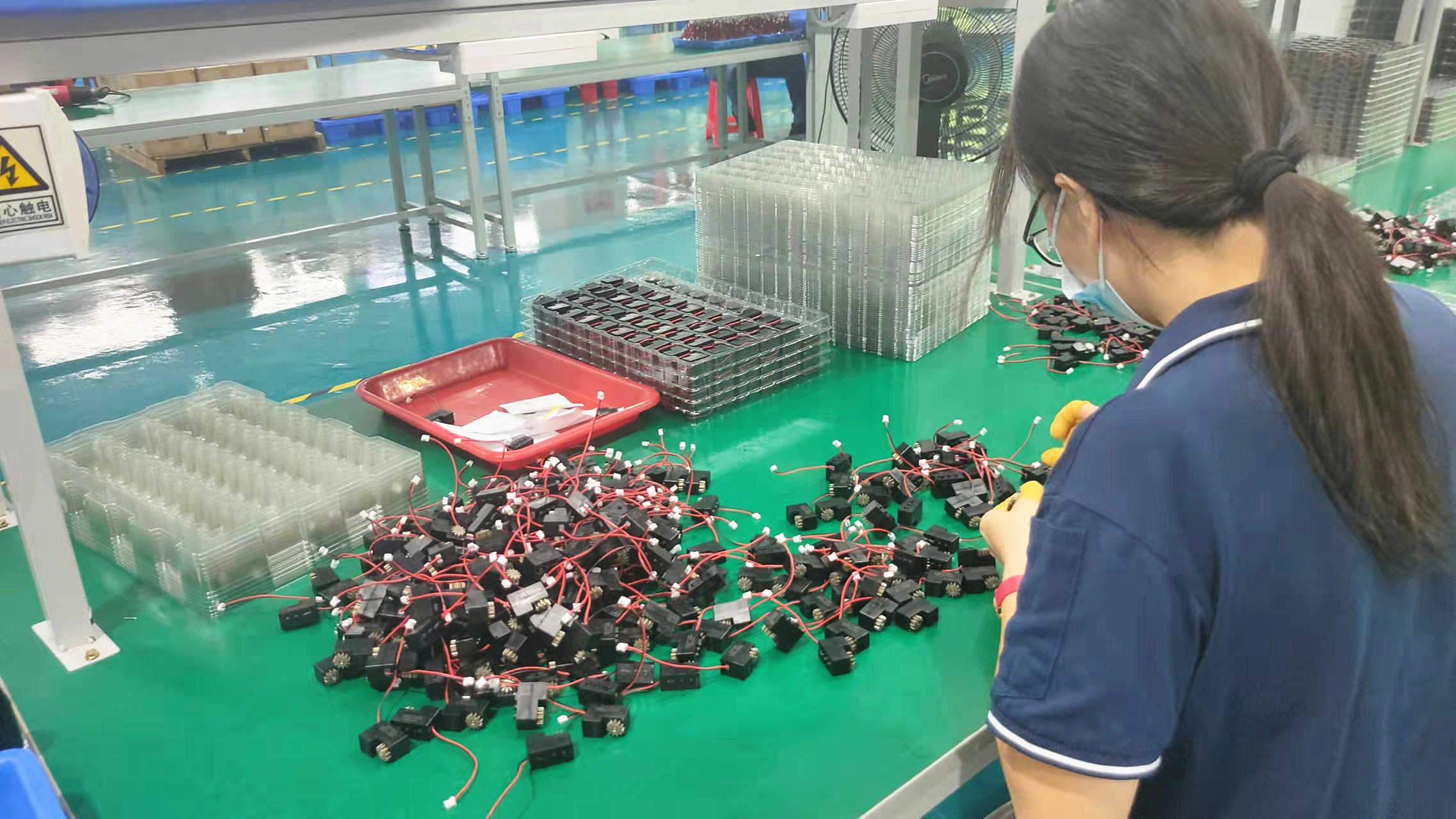
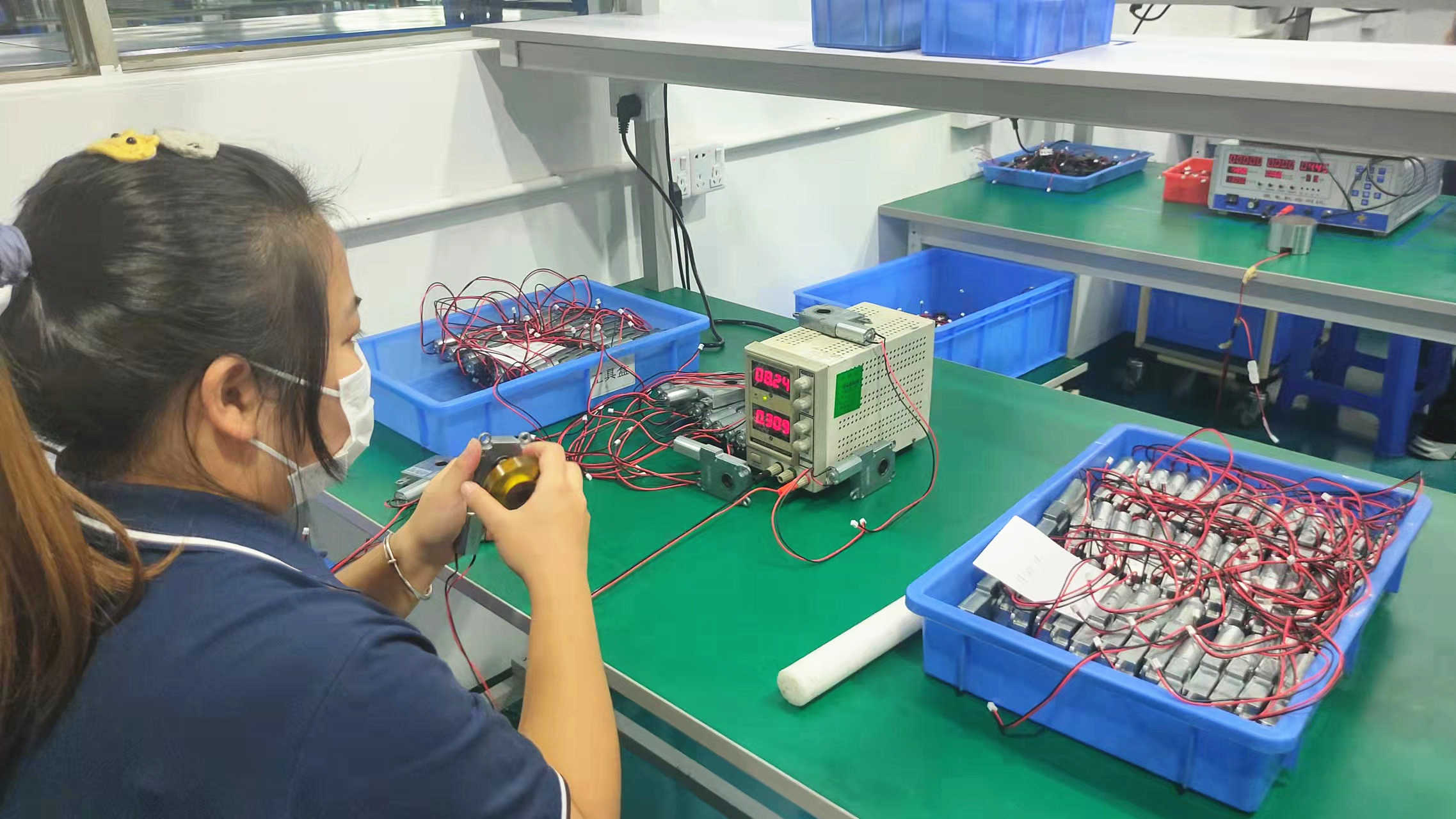
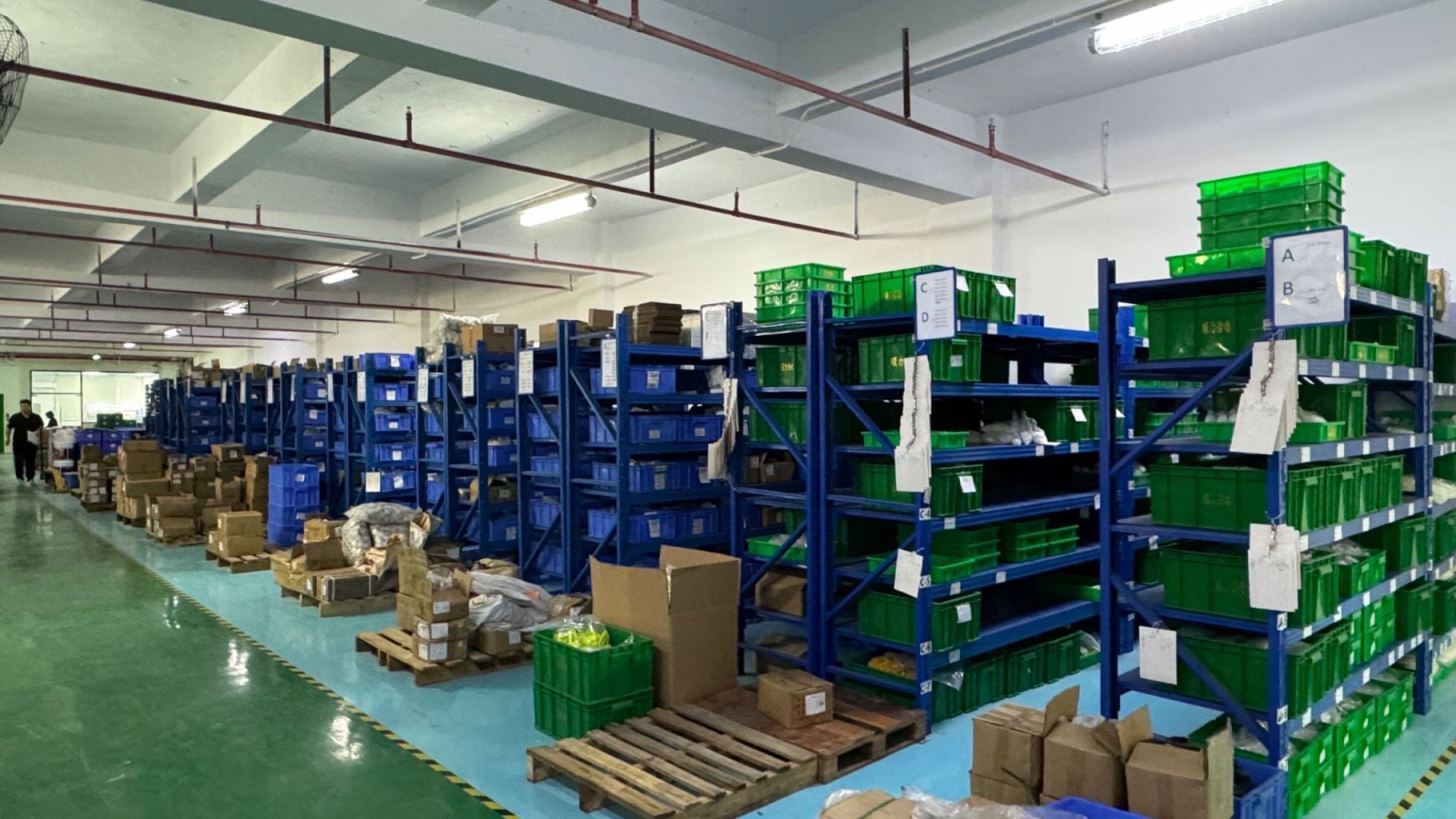
Each phase is integrated into our ISO9001 workflow: Incoming raw materials (shafts, magnets, bearings, housings) undergo strict coordinate metrology verification. Our automated and semi-automated soldering systems prevent thermal damage to delicate motor commutator terminals. During assembly, precision fixture tooling ensures proper shaft alignment and gear engagement. Before packaging, every motor is subjected to complete dynamometer testing to verify torque-speed curves and check for micro-acoustic abnormalities.
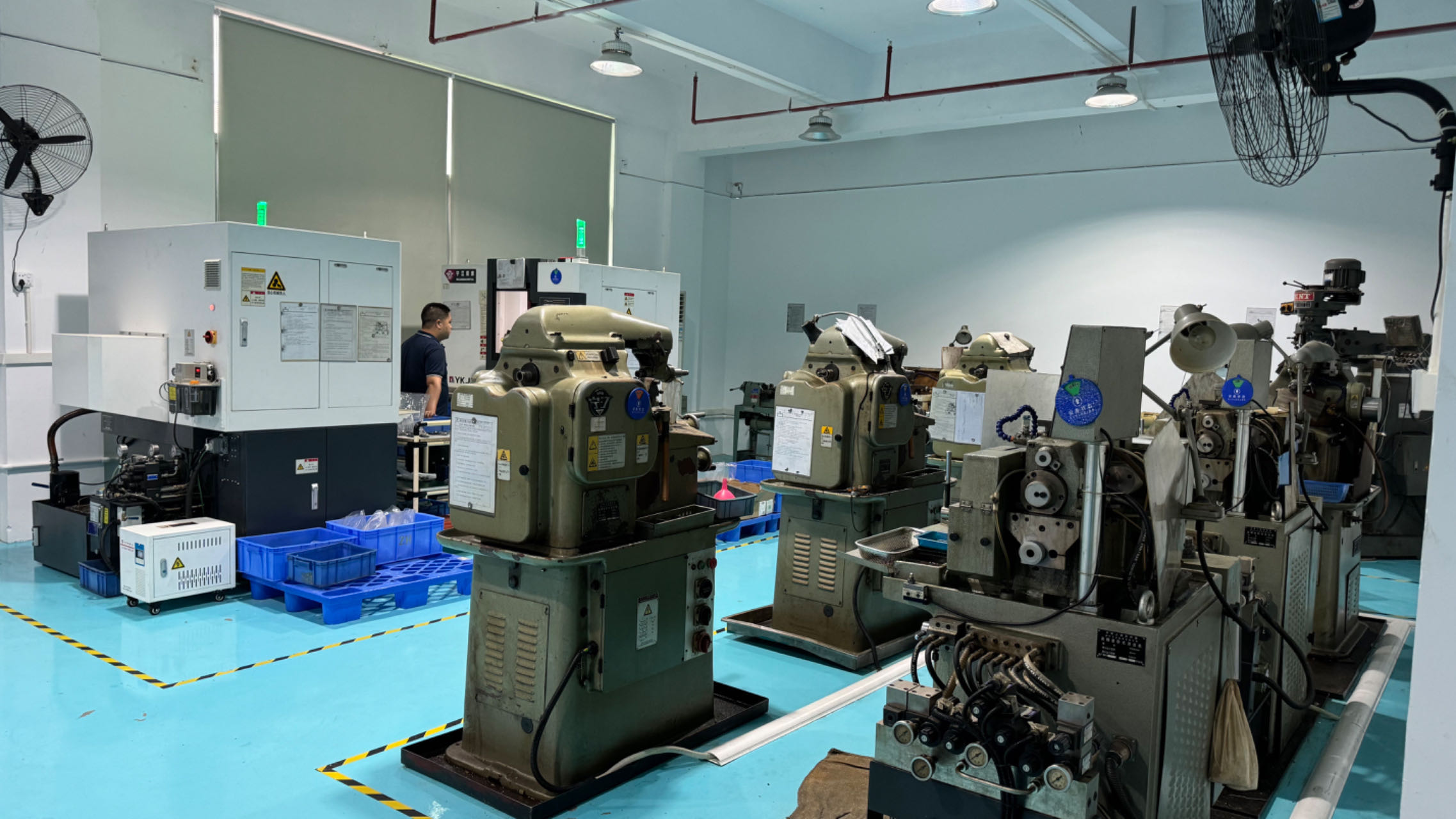
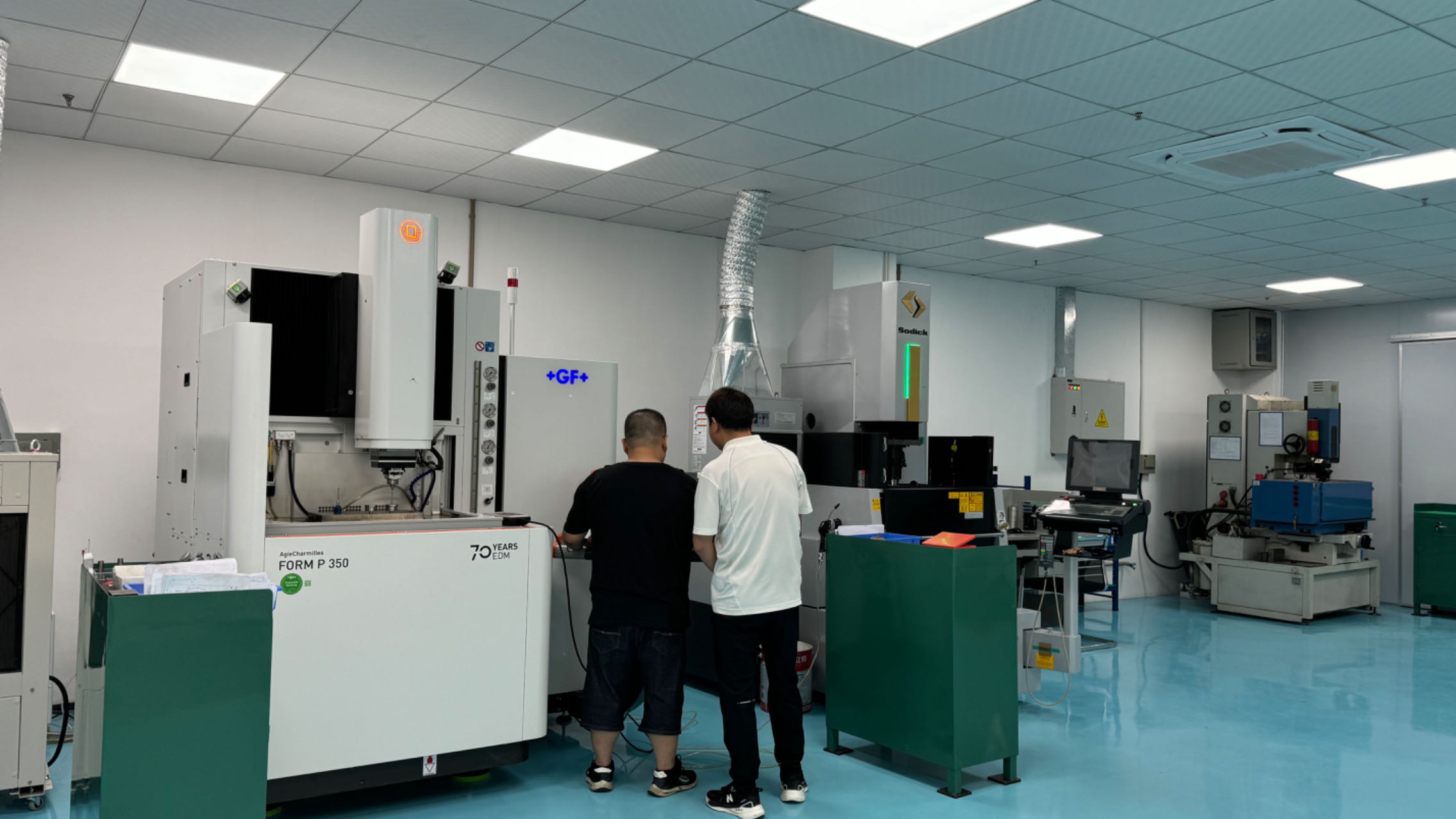
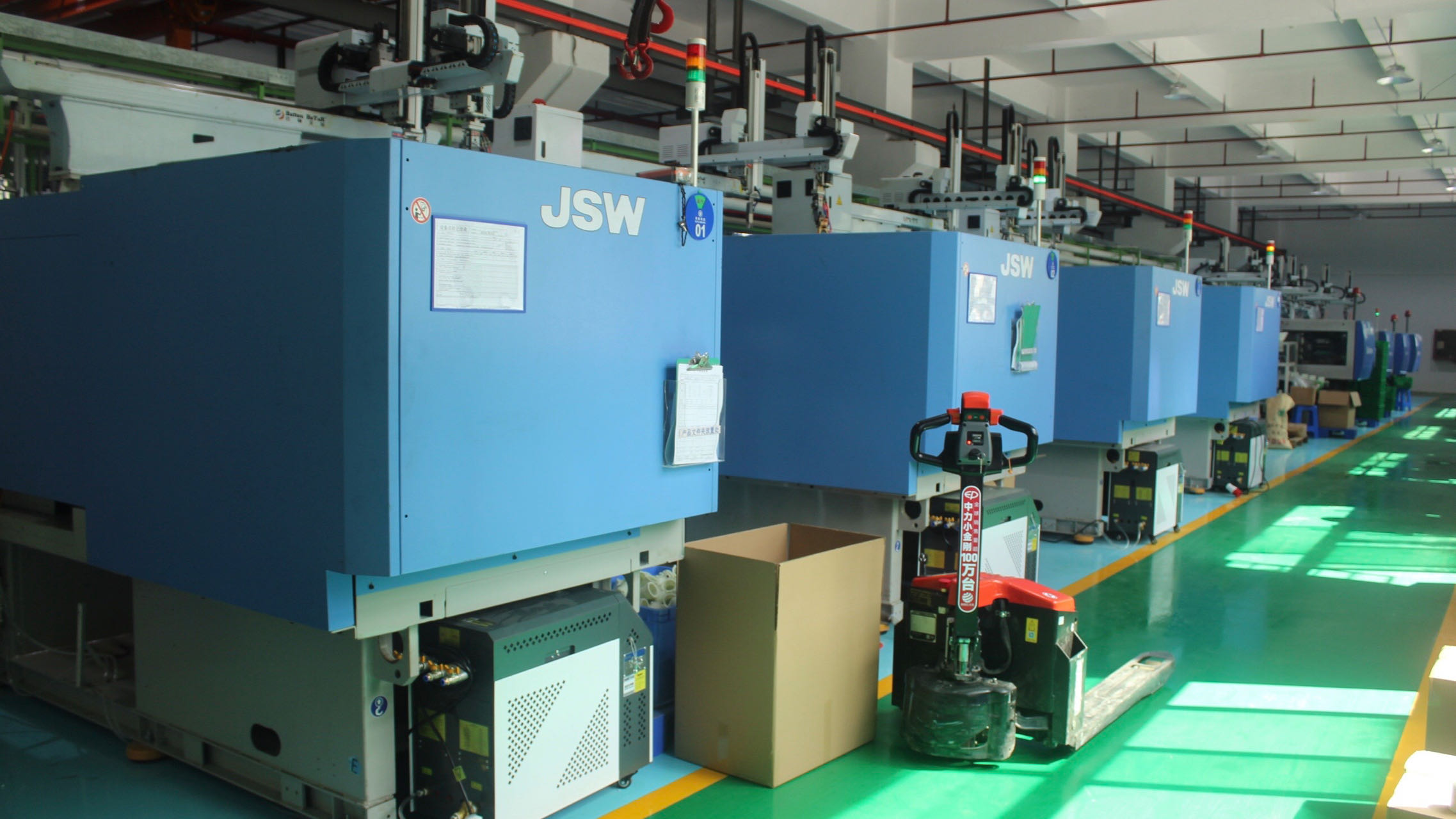
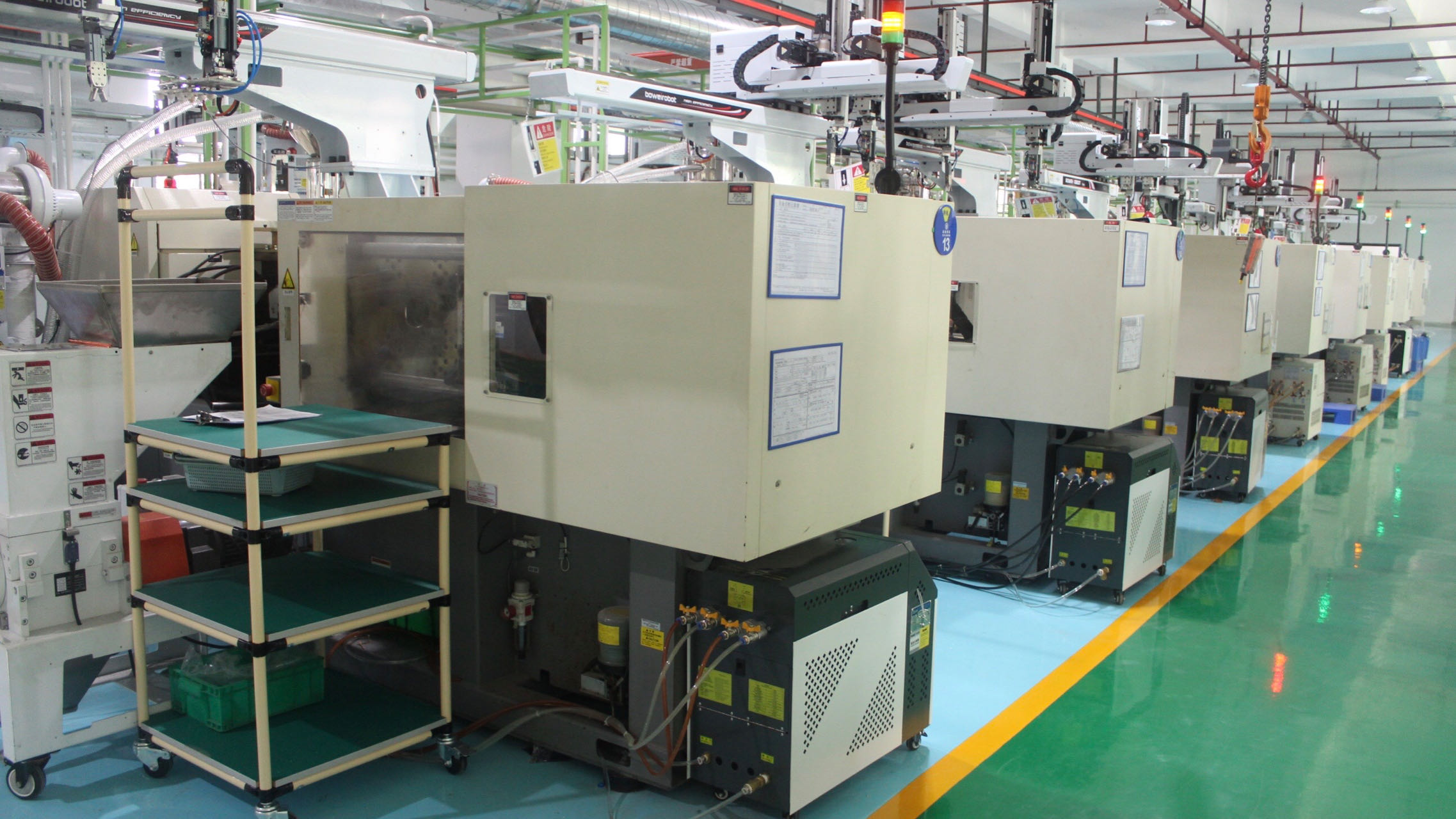
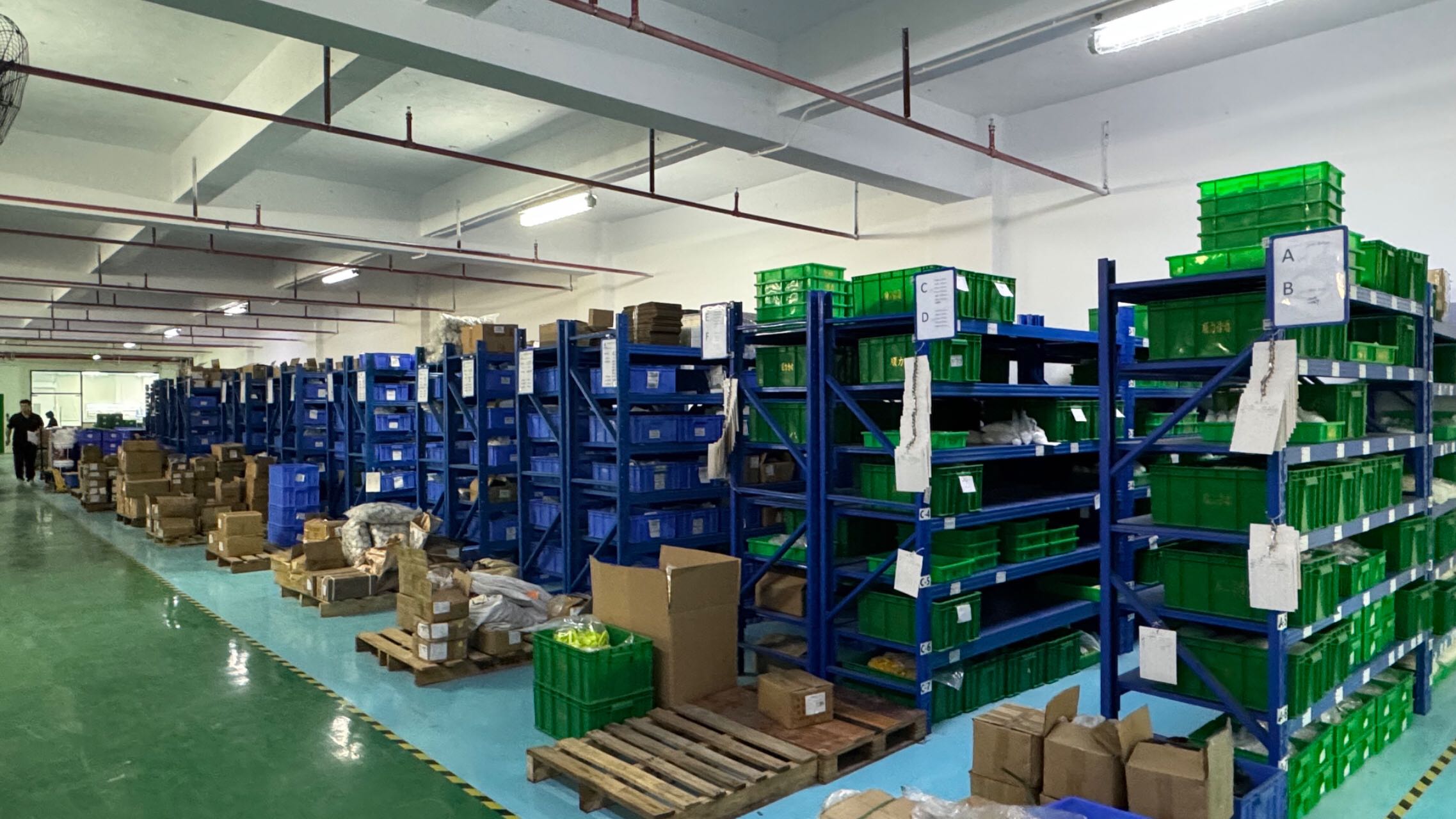
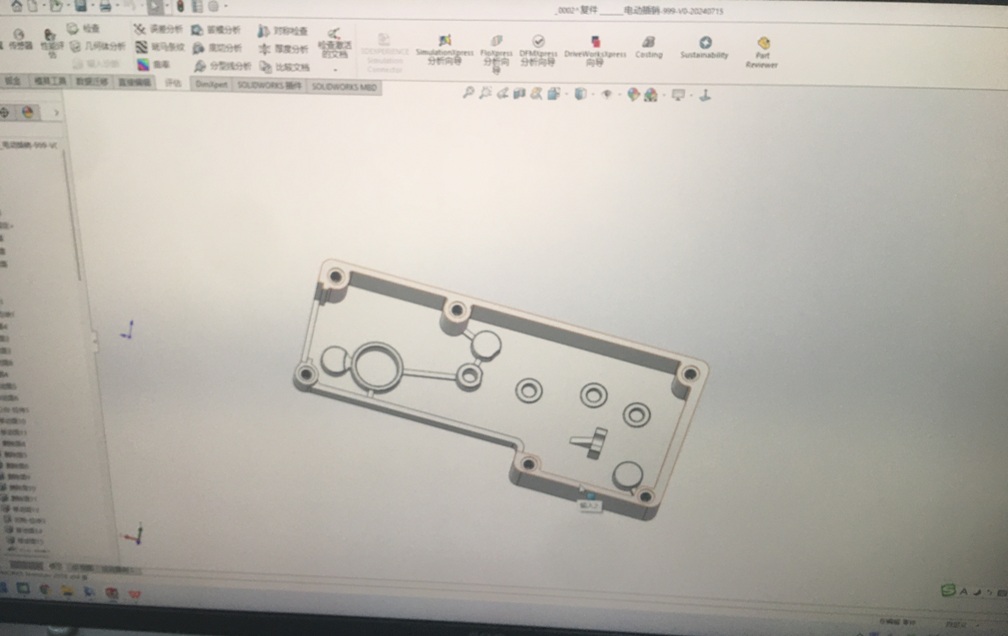
A micro rotary actuator's reliability depends heavily on the precision of its machining equipment. Achieving ultra-low backlash in small gearboxes—especially those with modules under 0.2—requires machinery that can reliably maintain tolerances of ±0.002mm. At YWOO Motor, we maintain our manufacturing quality using advanced precision machinery, including:
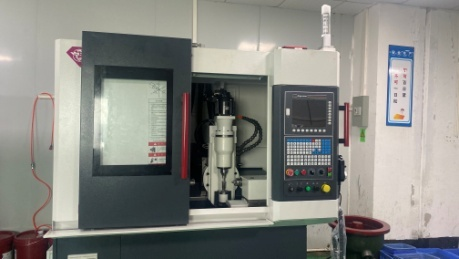
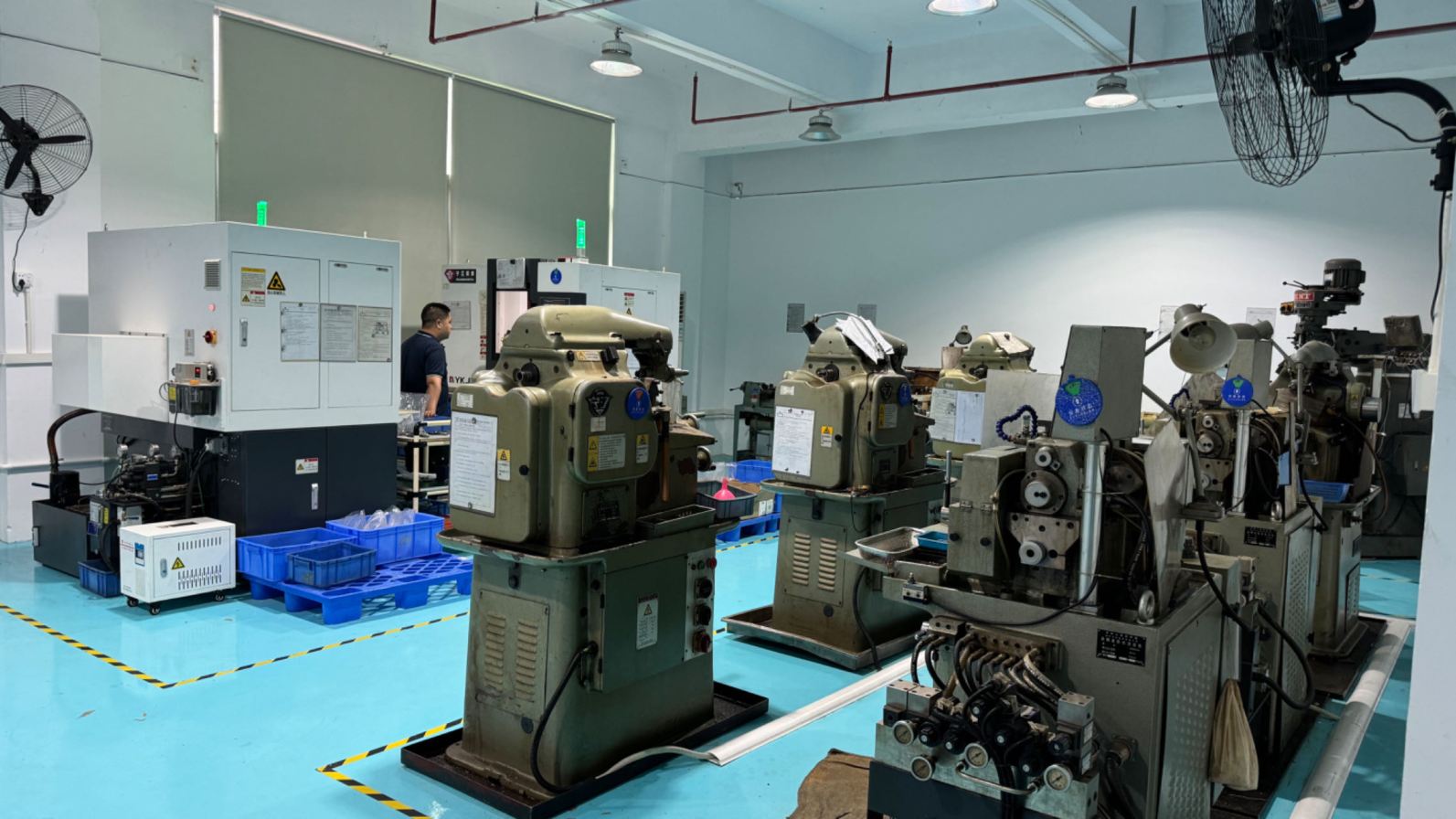
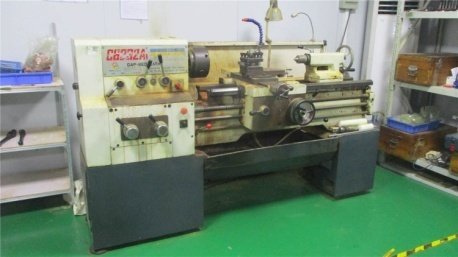
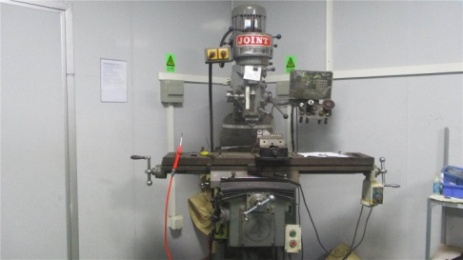
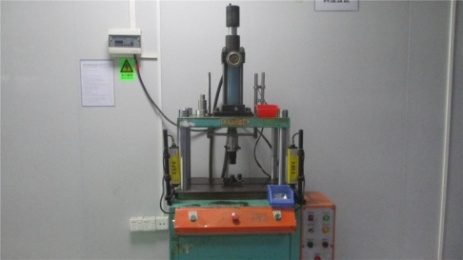
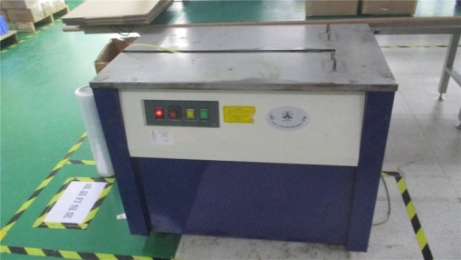
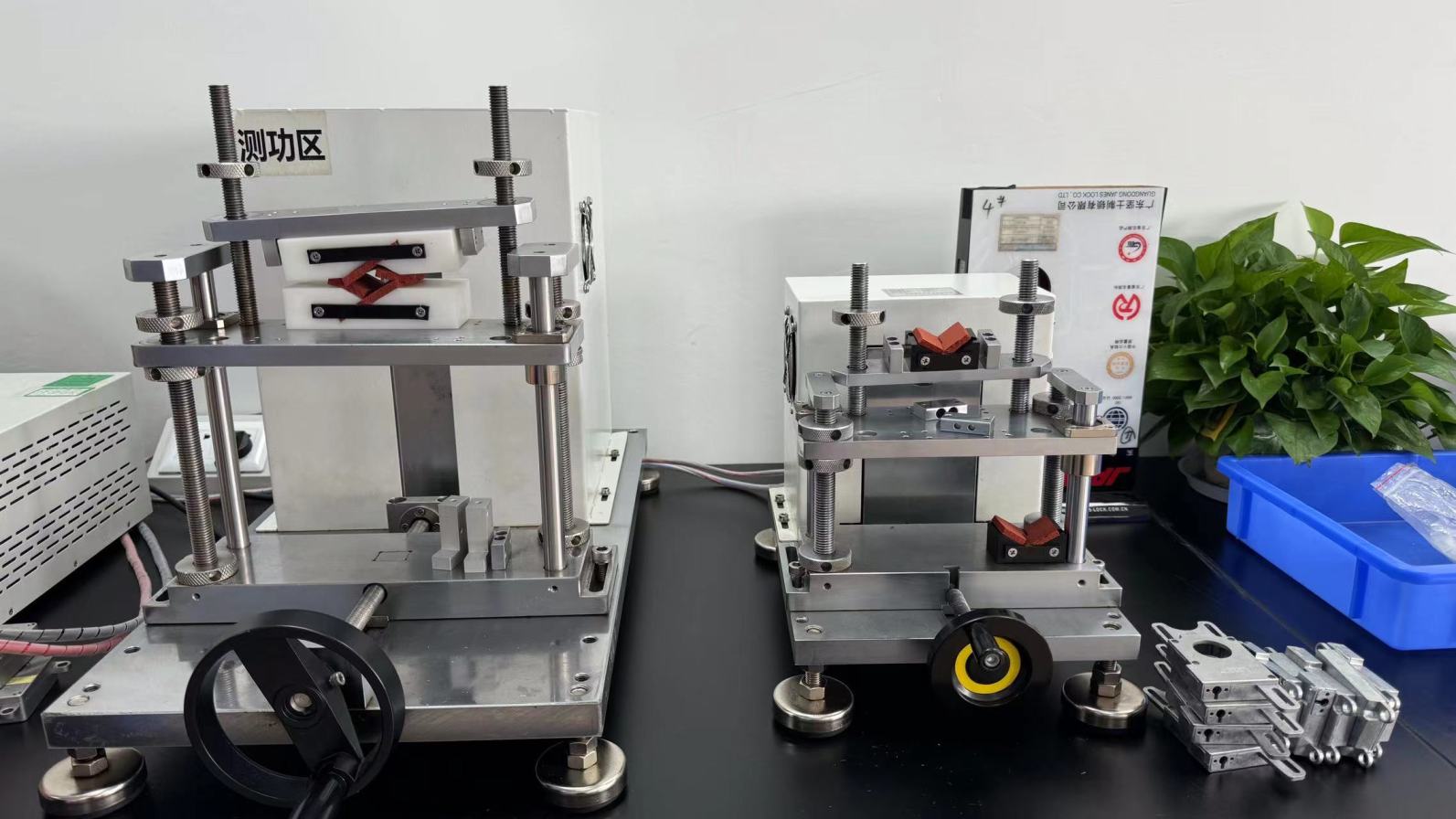
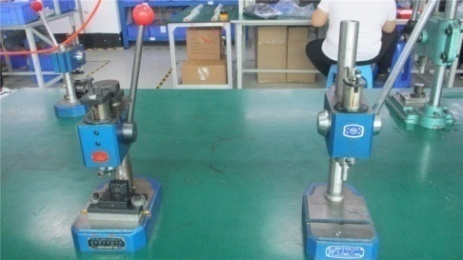
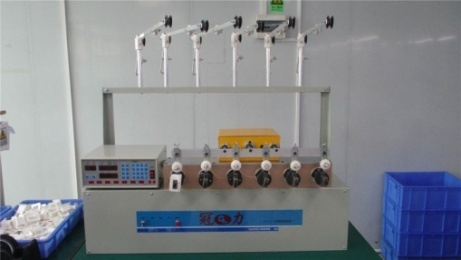
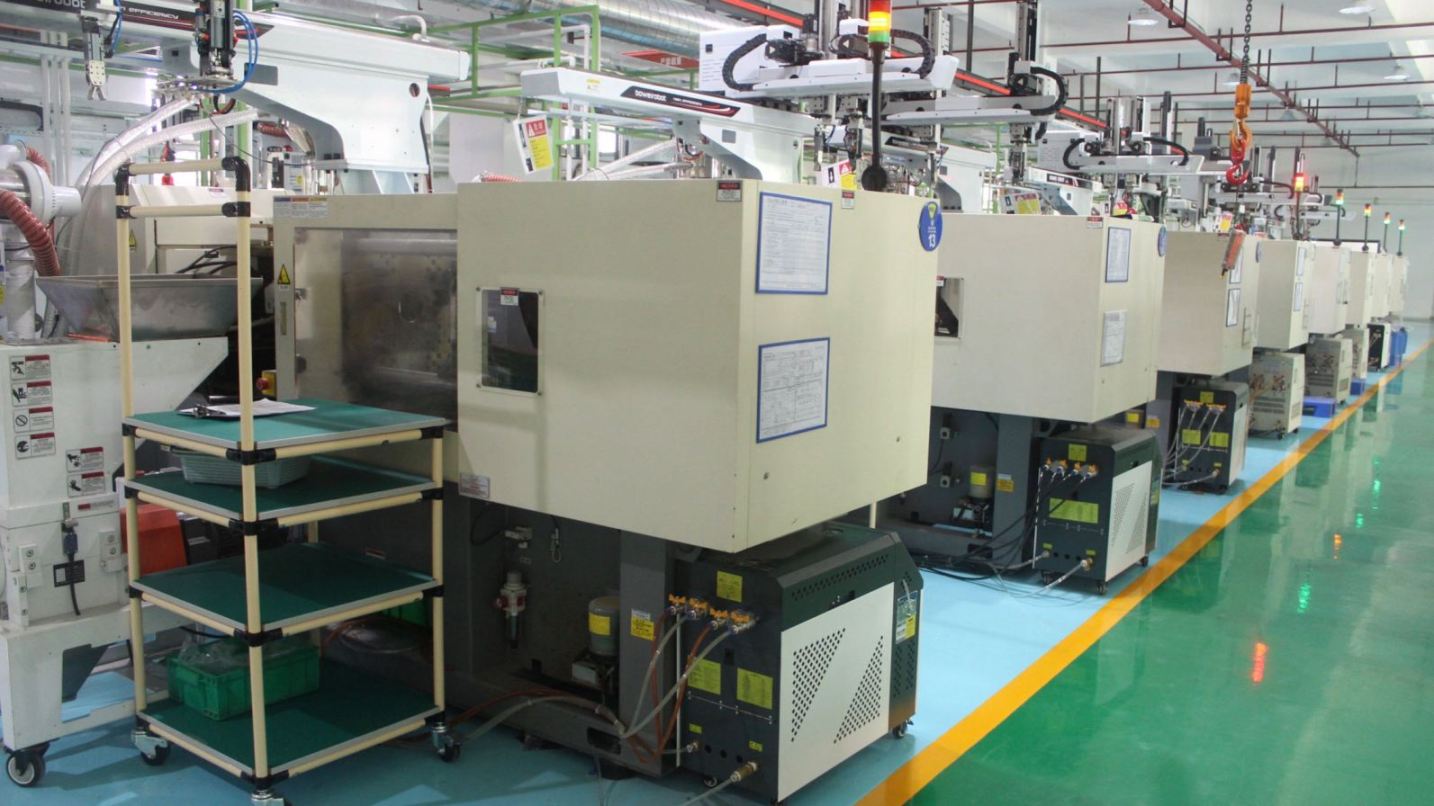
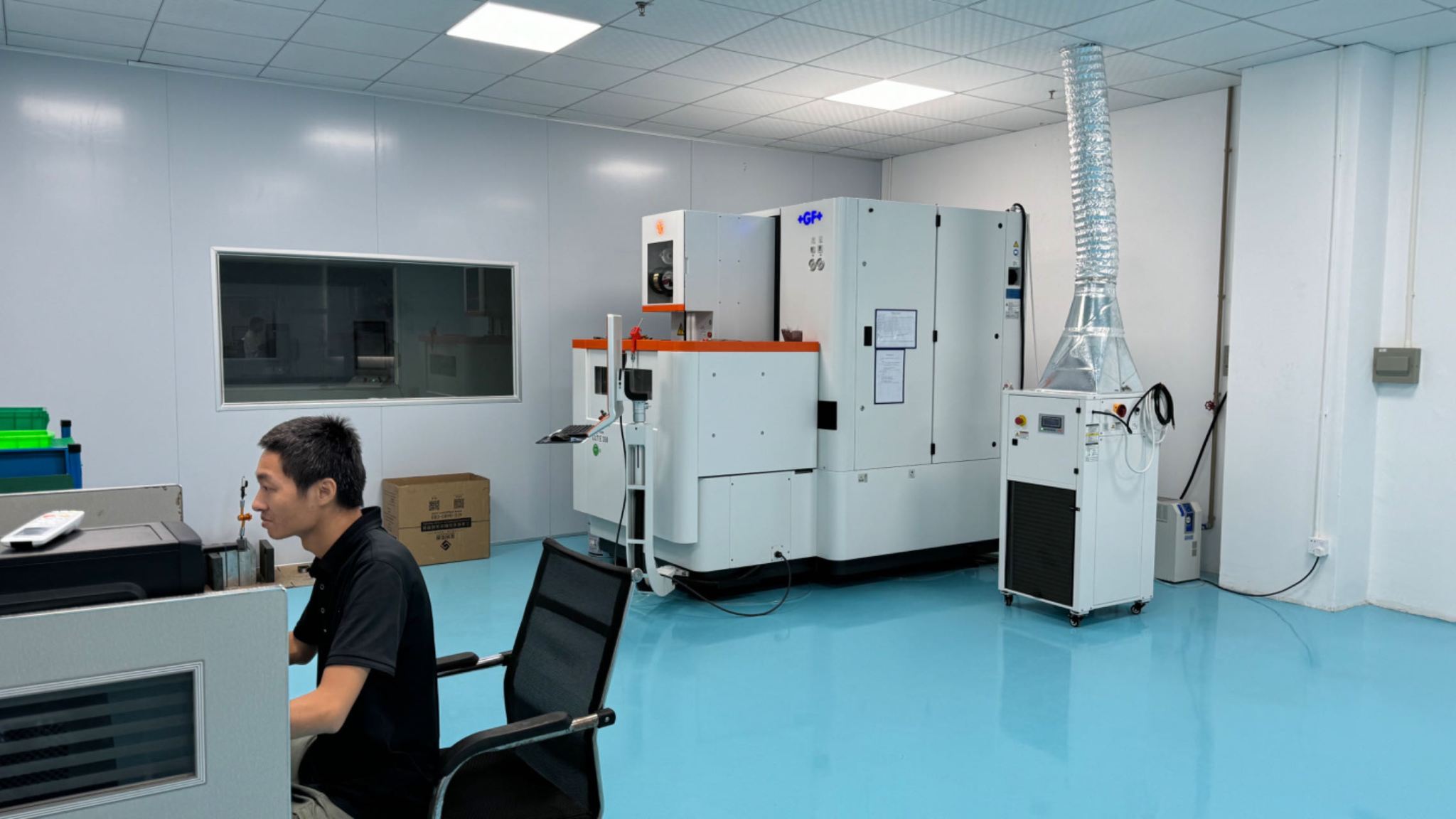
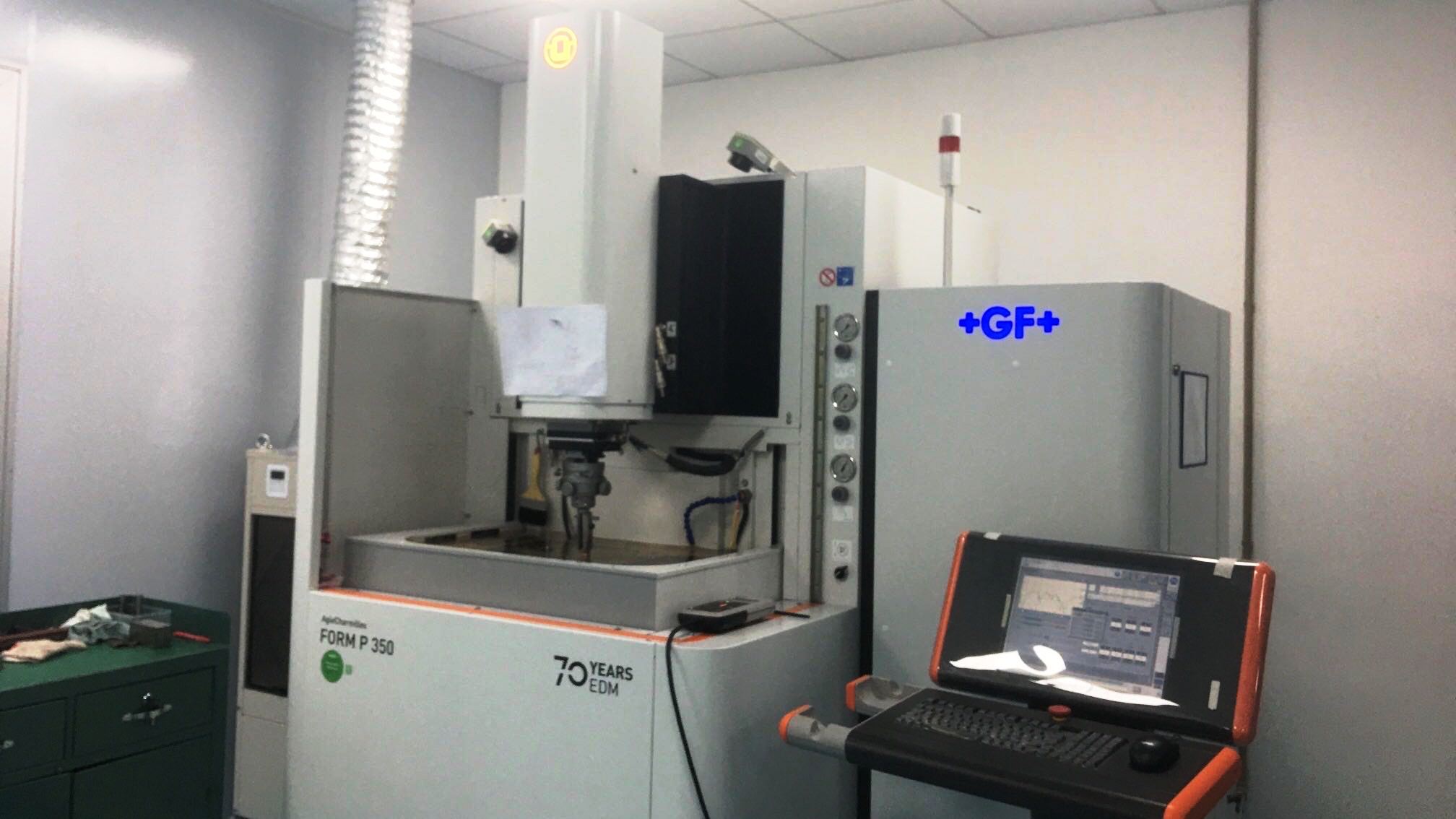
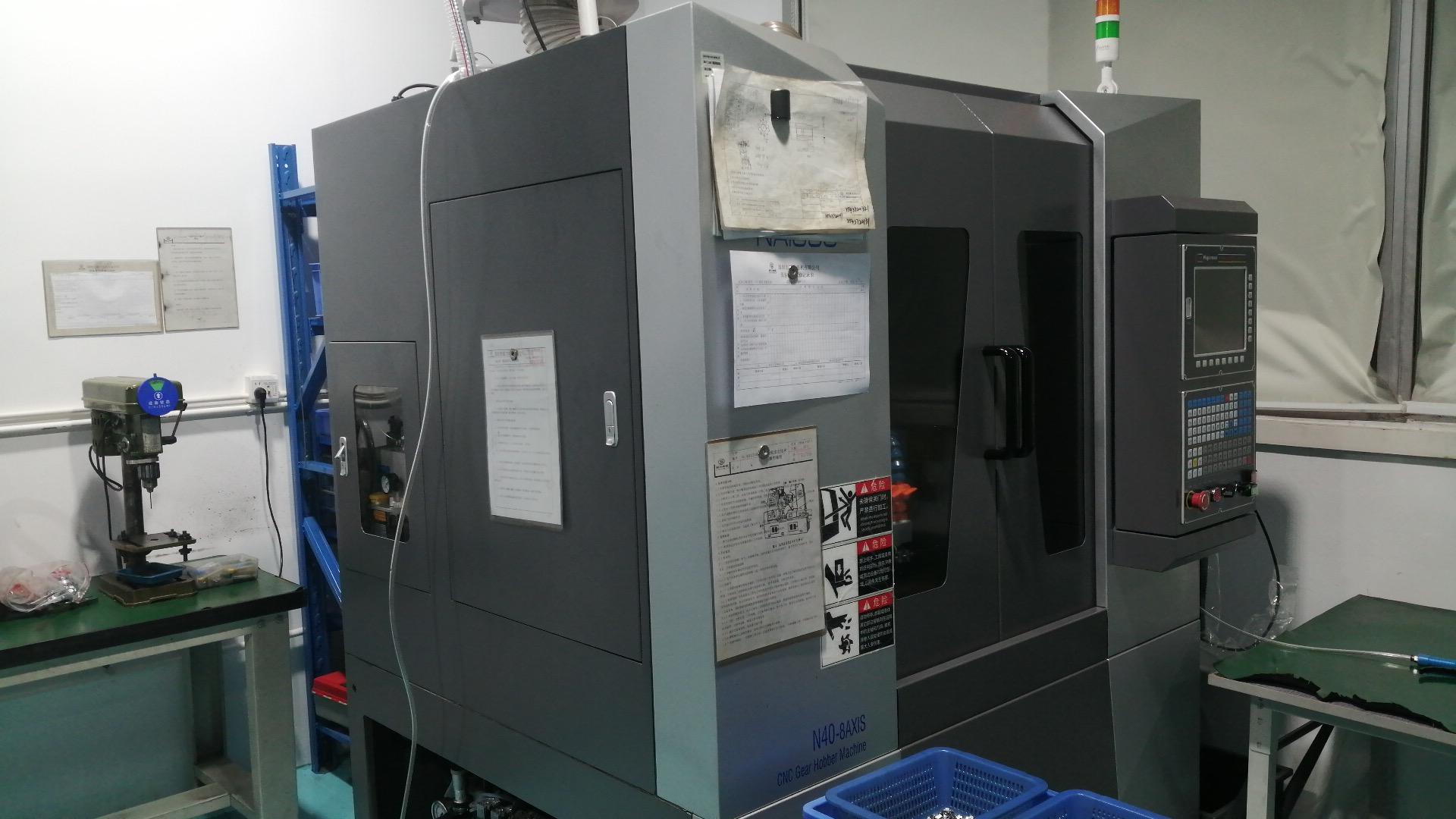
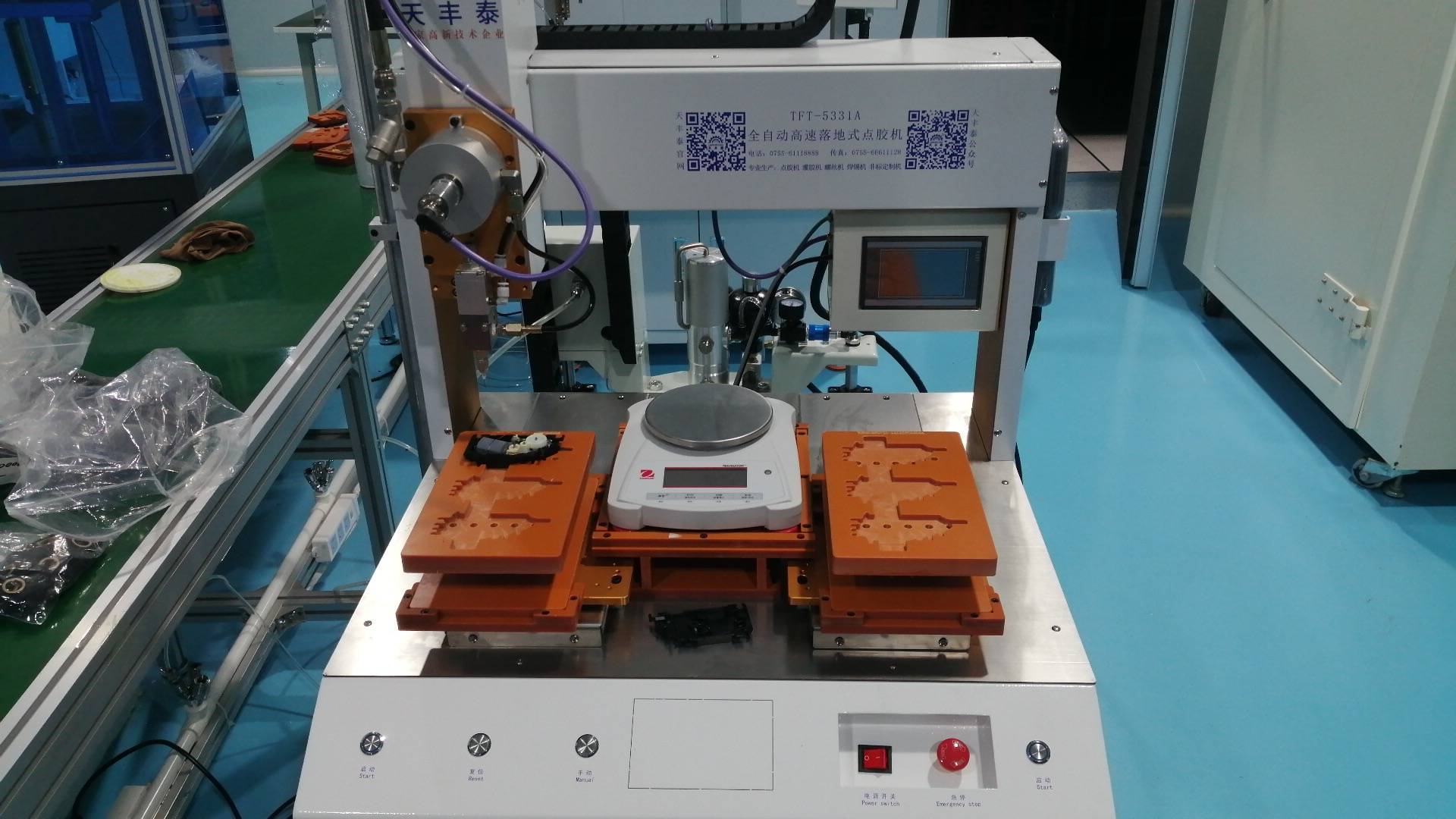
Our gear profile production is built around the Ningjiang CNC Machine Tool and High Precision Horizontal Gear Hobbing Machines. These allow us to process steel, brass, and synthetic gears down to high-precision AGMA quality standards. For mold making and custom components, our Slow-feeding NC wire-cut machines and EDM (Electrical Discharge Machining) systems achieve the tolerances required to eliminate high-frequency gear-mesh noise and minimize transmission backlash.
To back up our quality claims, our metrology laboratory verifies the operational envelopes, environmental resilience, and mechanical performance of all incoming raw materials and finished products:
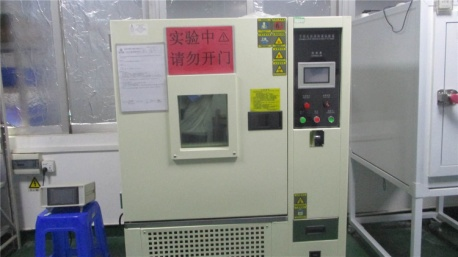
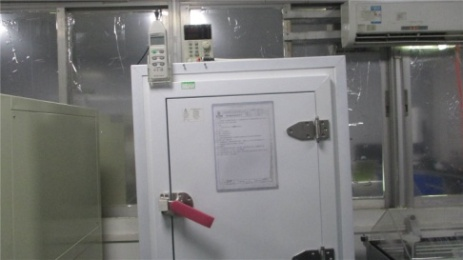
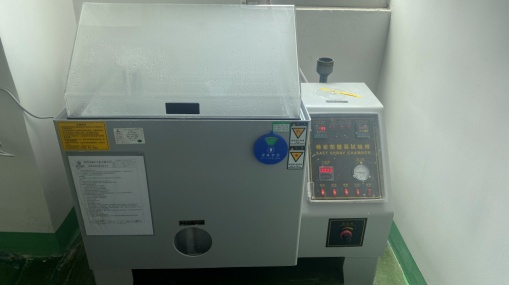
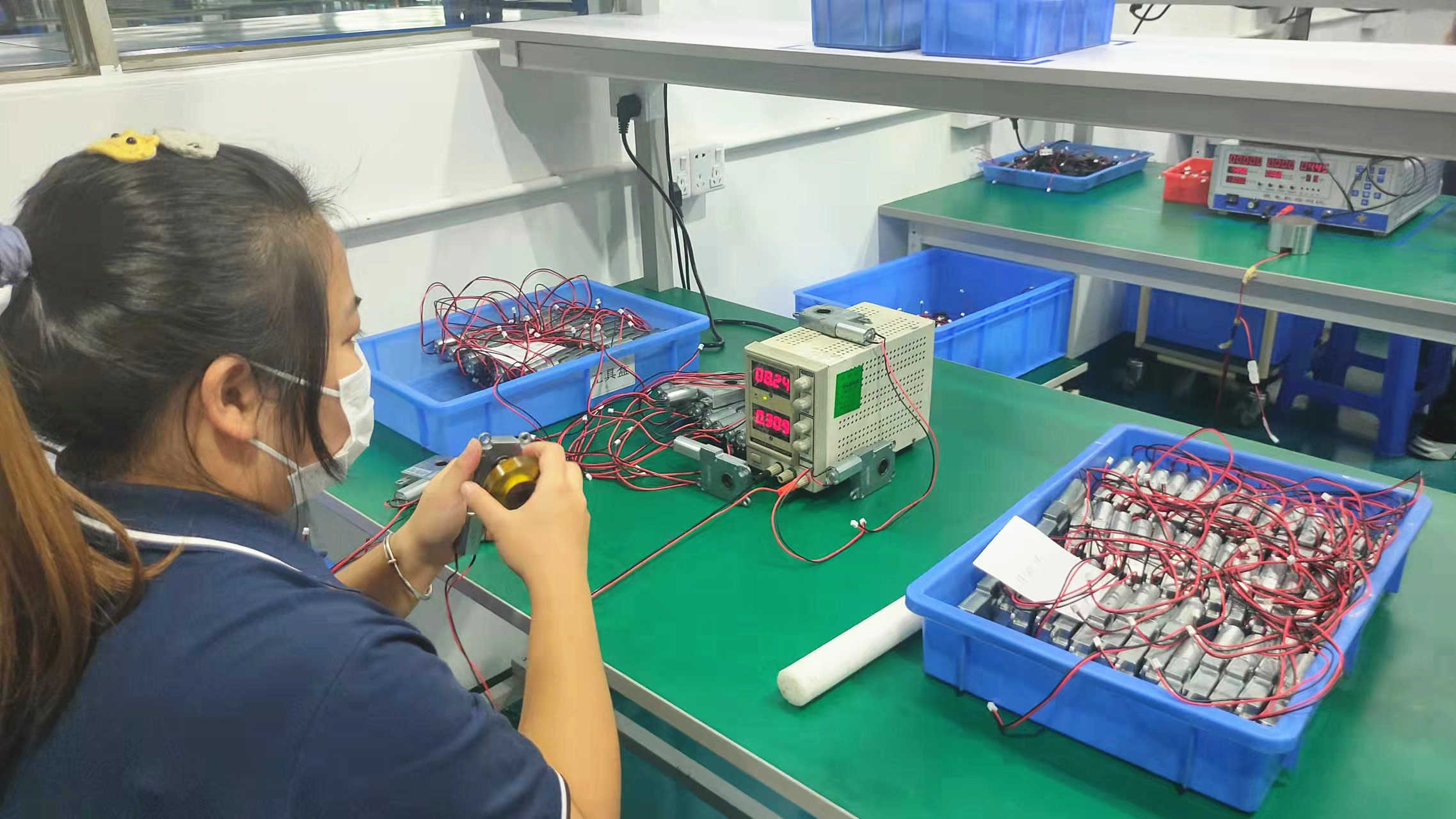
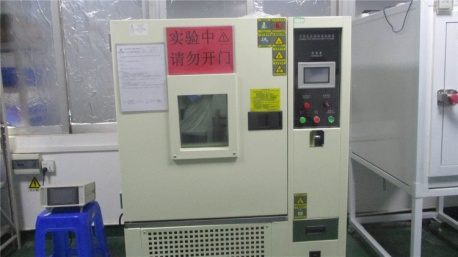
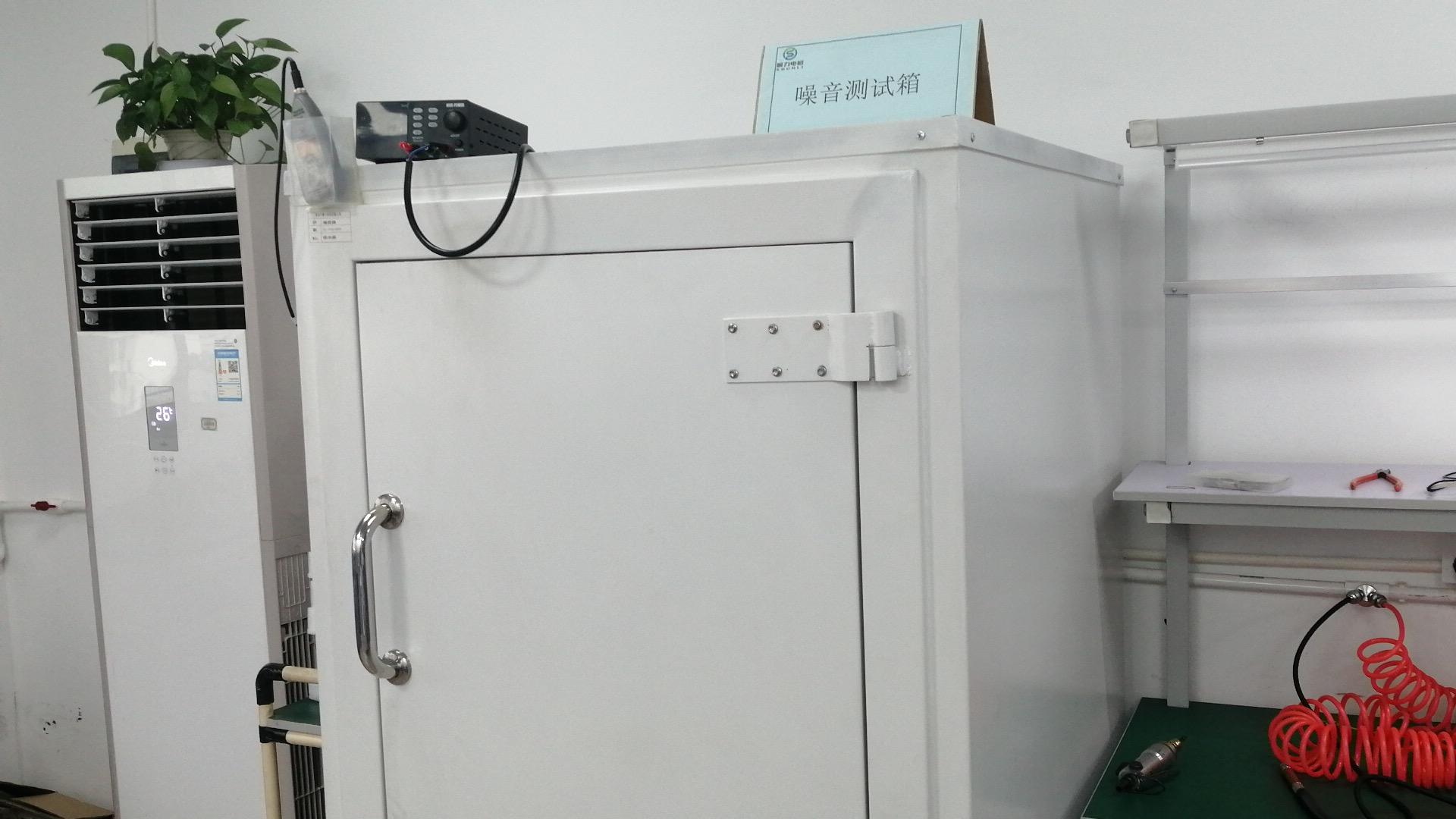
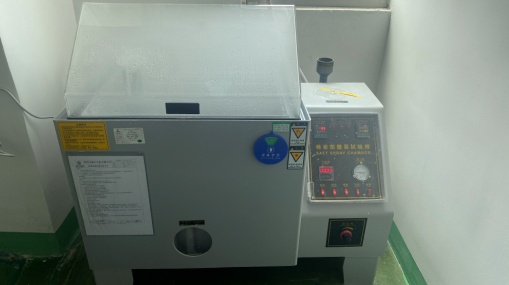
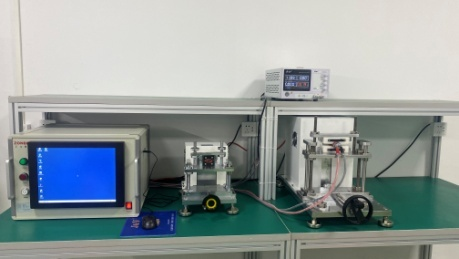
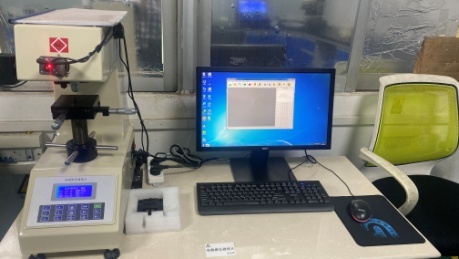
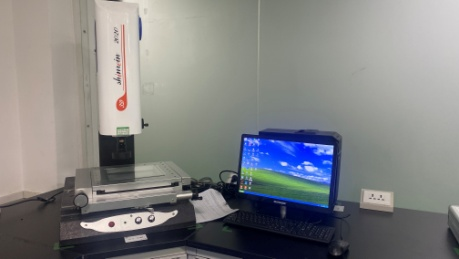
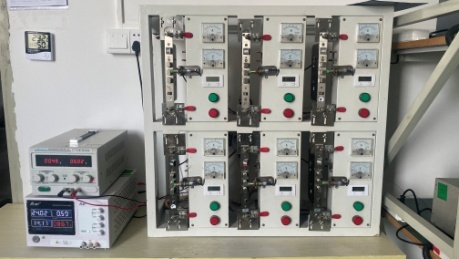
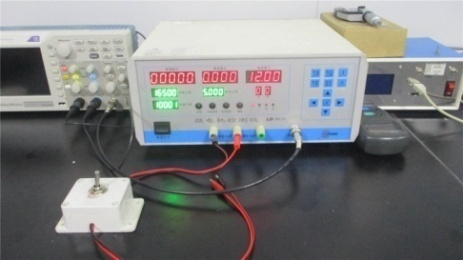
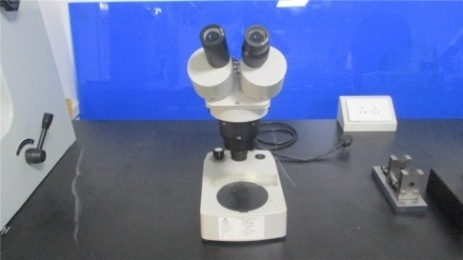
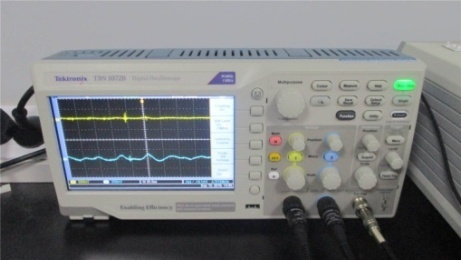
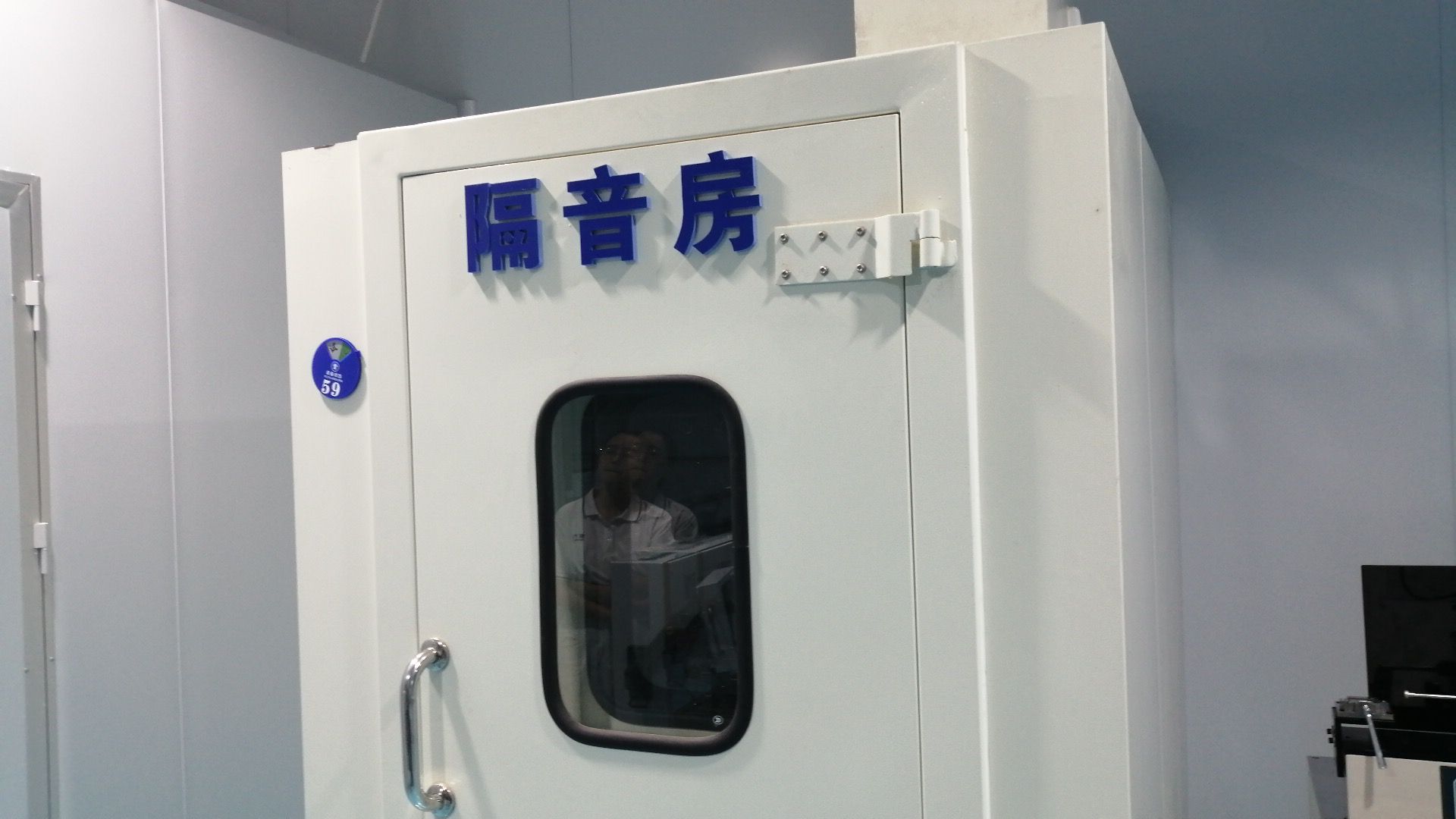
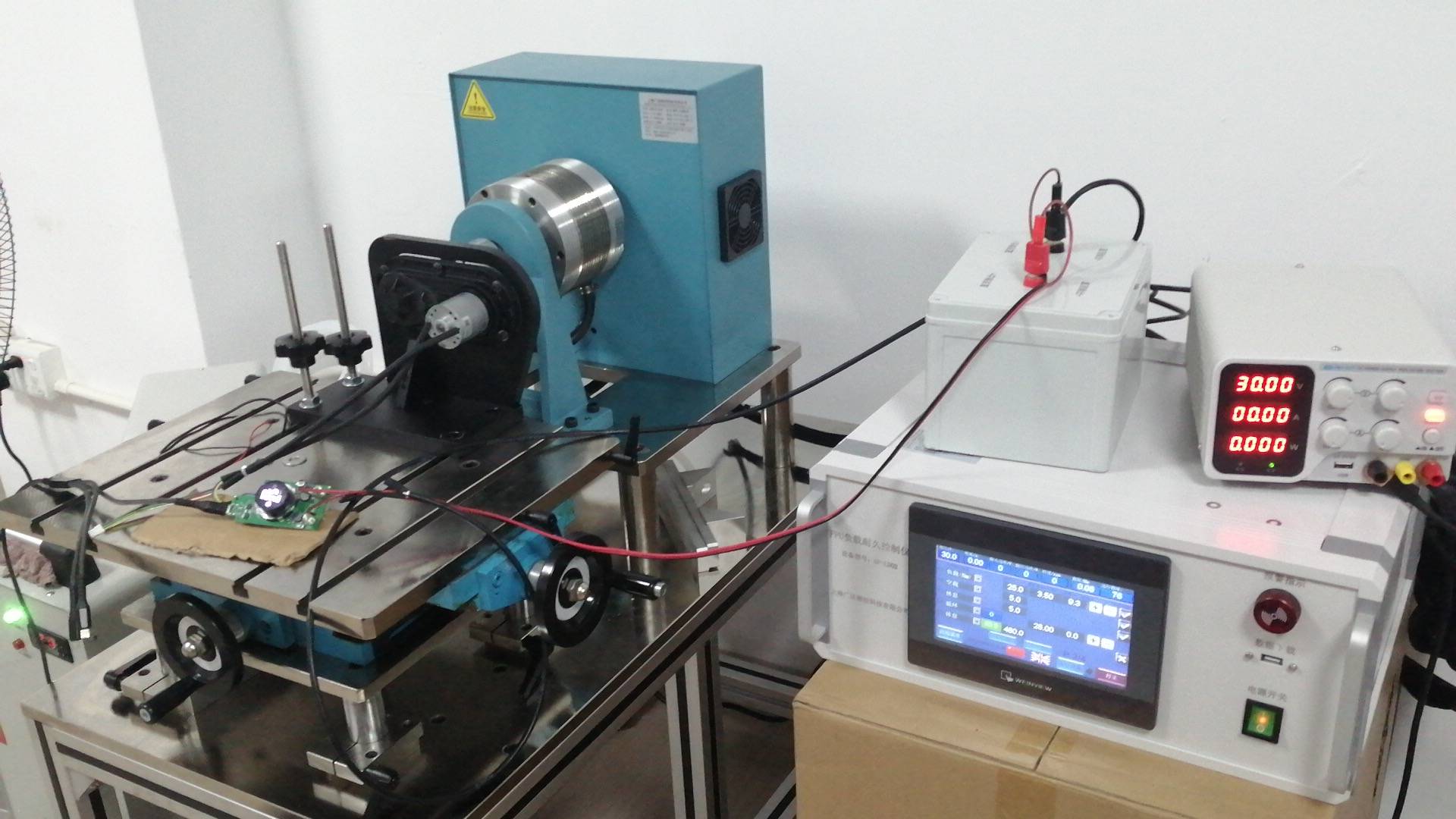
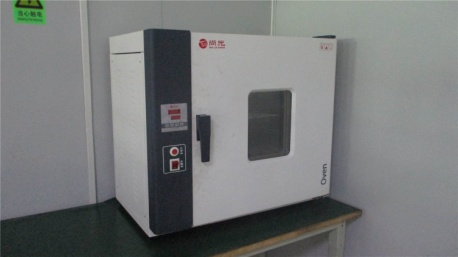
Our testing suite includes Programmable Constant Temperature & Humidity Chambers for thermal shock validation, and Salt Spray Testing Machines to verify rust and corrosion resistance. To manage noise performance, our dedicated Acoustic Soundproof Testing Rooms measure actuator decibel levels in an environment isolated from external factory frequencies. In addition, Video Measuring Instruments check part geometry against engineering drawings, while Magnetic Powder Testing Dynamometers verify actuator output torque and motor load capacity before shipping.
Procuring micro-drives internationally requires managing risks around lead times, quality consistency, and supply chain bottlenecks. Global sourcing teams can minimize these issues by focusing on three main areas:
Expert engineering insights addressing high-torque micro-drives, gear design optimization, and quality assurance workflows.
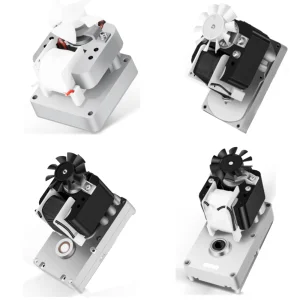
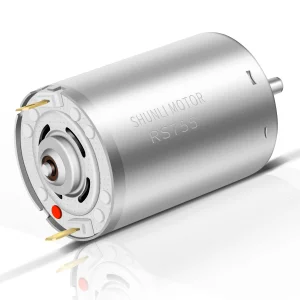
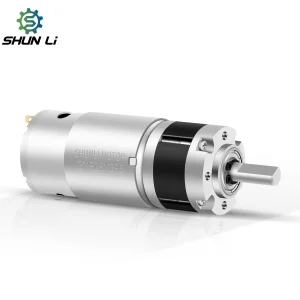
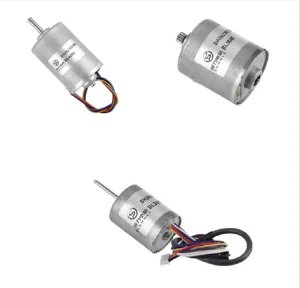
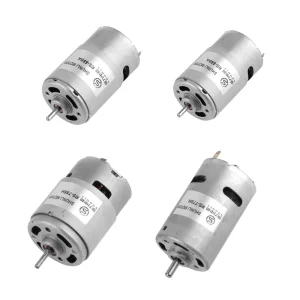
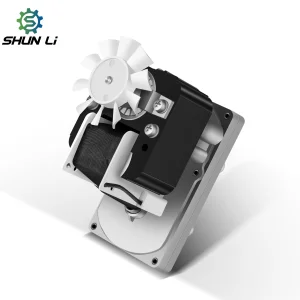
Complete your design cycle with our engineered motor architectures, covering AC shaded-pole drives, high-torque brushless components, and specialized actuators.
 YWOO Motor