Engineered for extreme torque densities, stability under variable loads, and seamless structural integration.
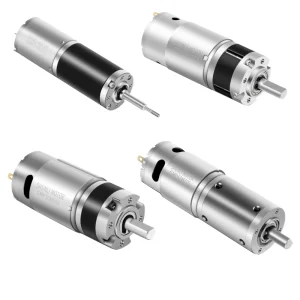
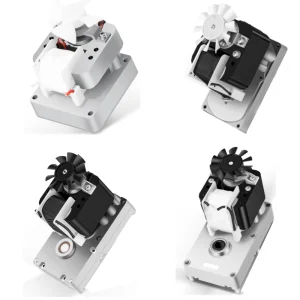
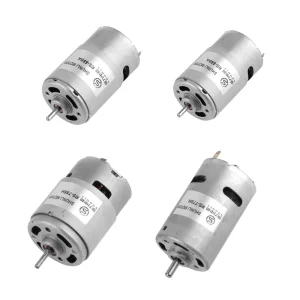
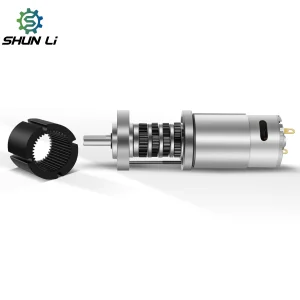
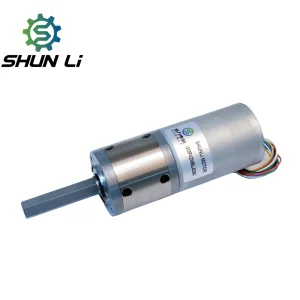
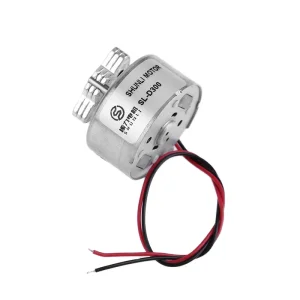
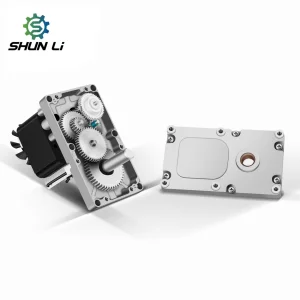
In international sourcing, finding a motor supplier is easy—but finding a partner who guarantees uncompromised batch consistency from the first prototype to the 100,000th production unit is a challenge. YWOO Motor was founded to eliminate that uncertainty. We are a fully verified, factory-direct China manufacturer specializing in high-torque Micro DC, BLDC, and Gear Motors.
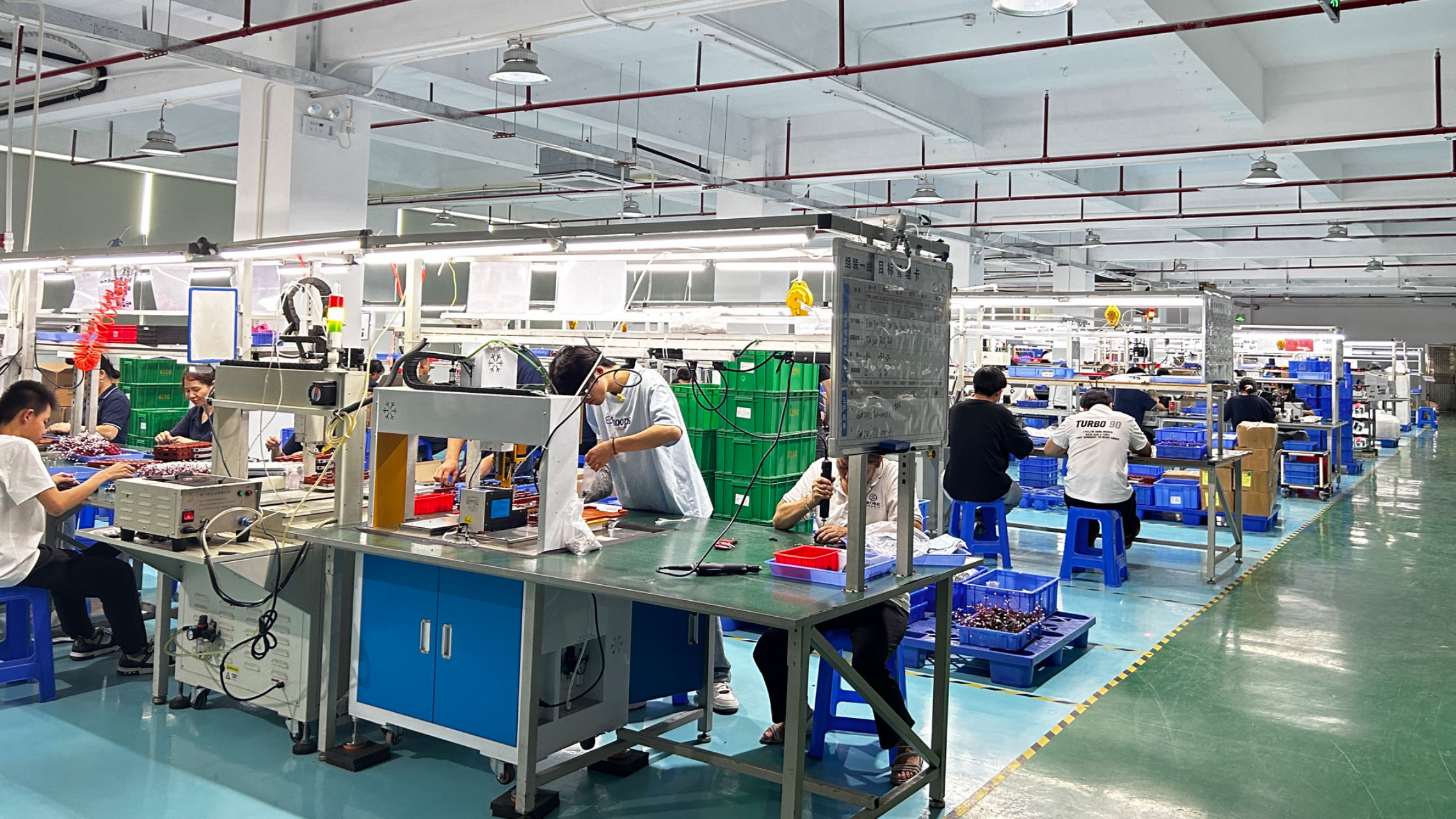
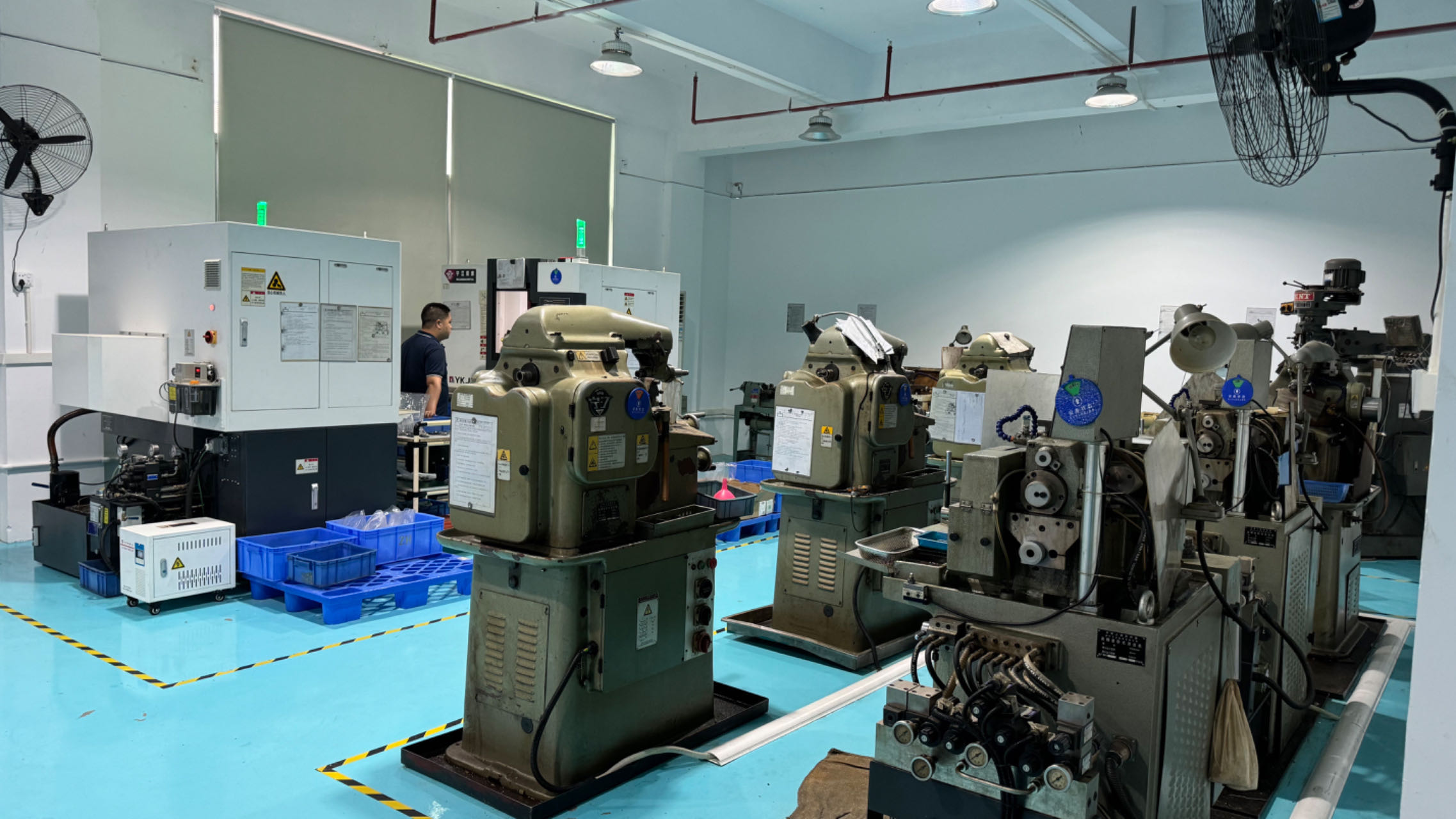
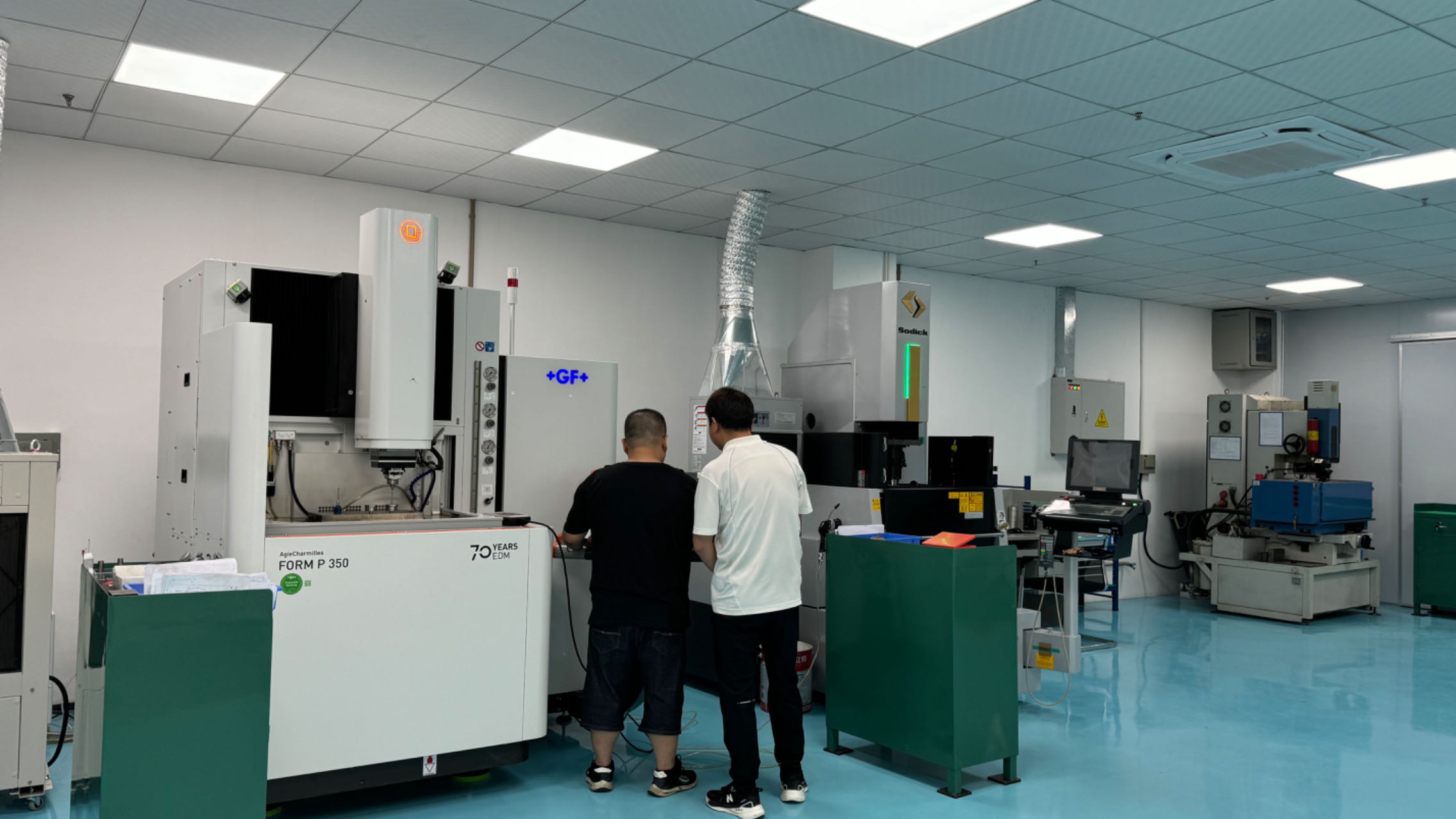
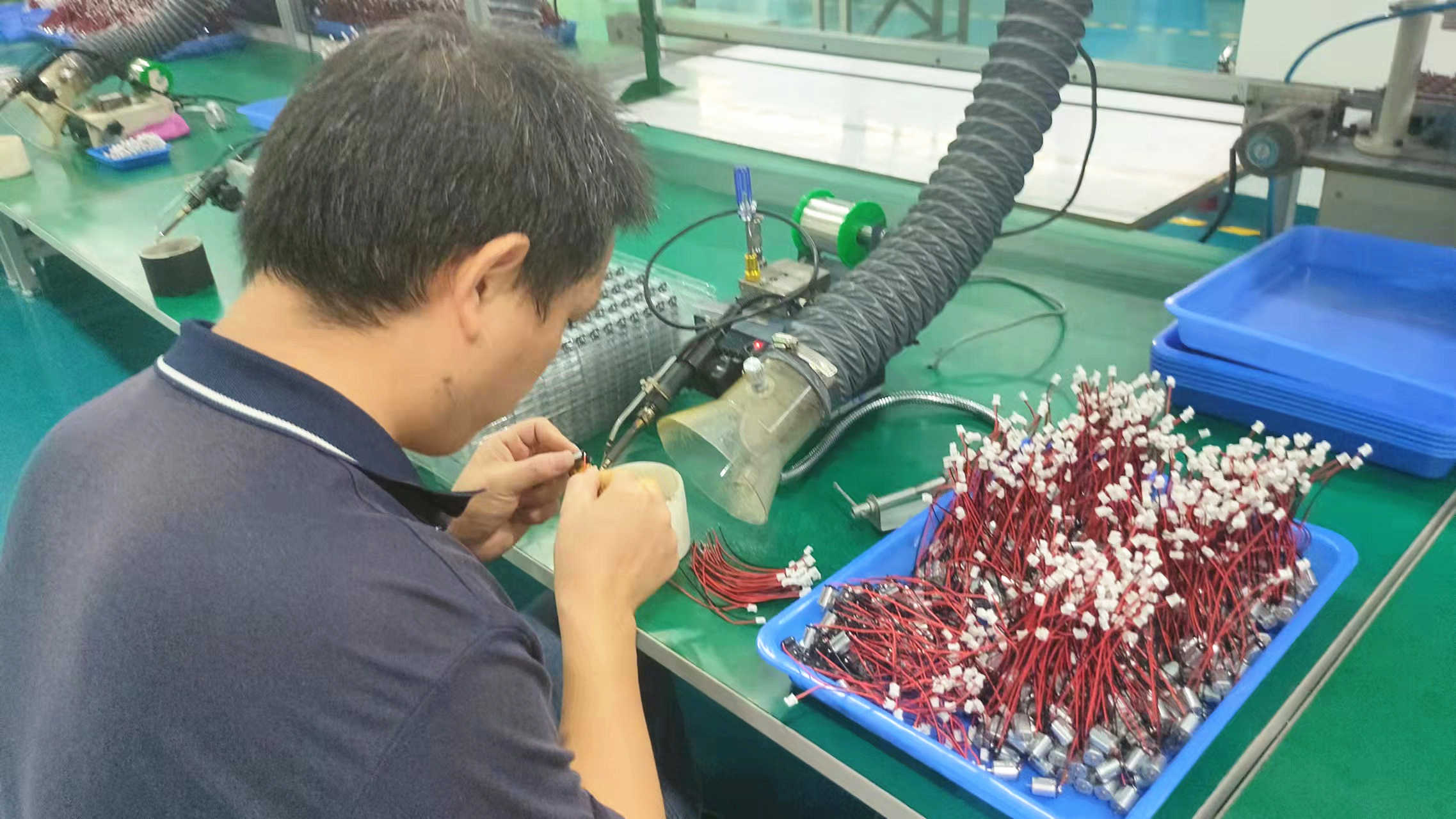
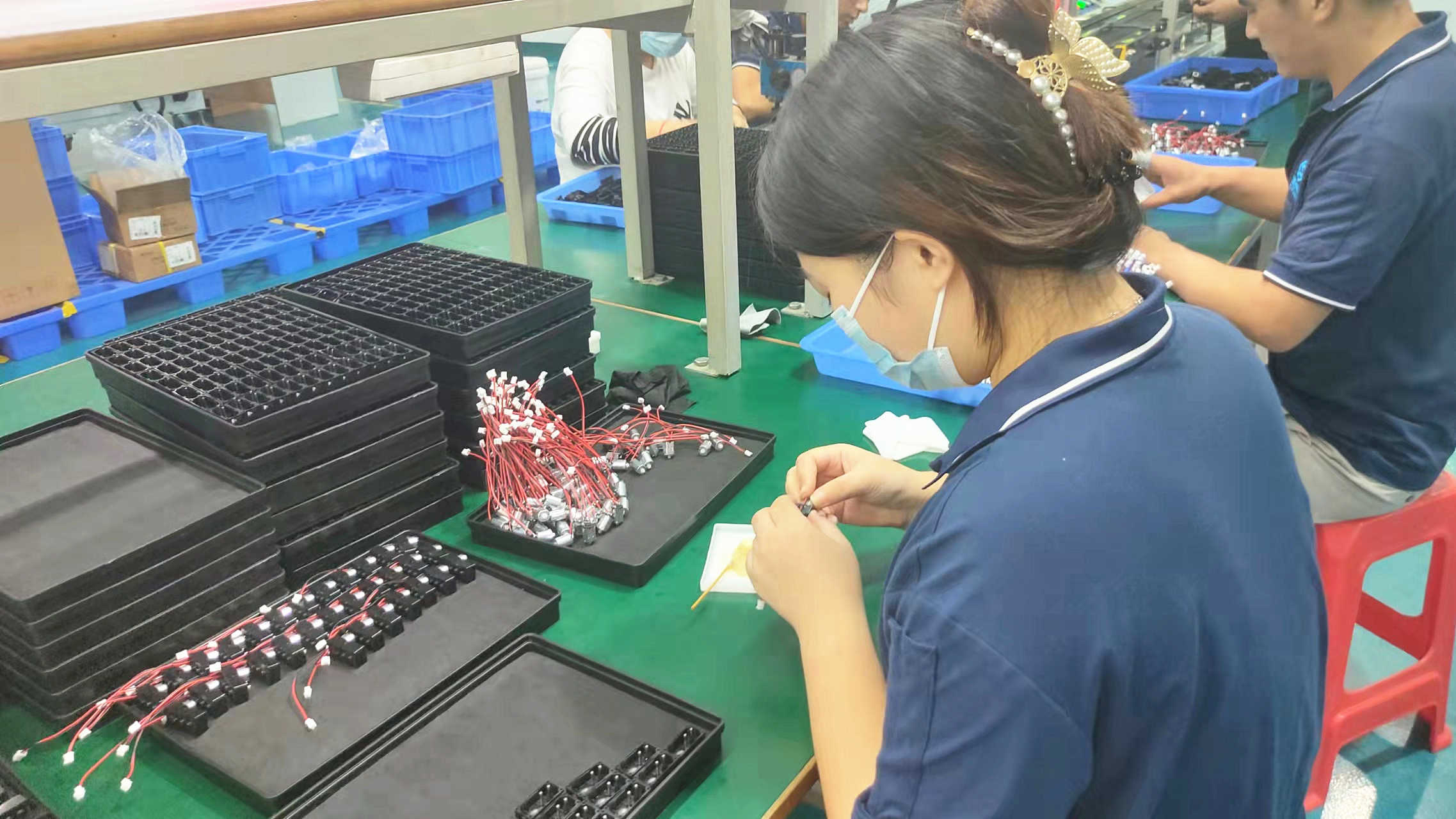
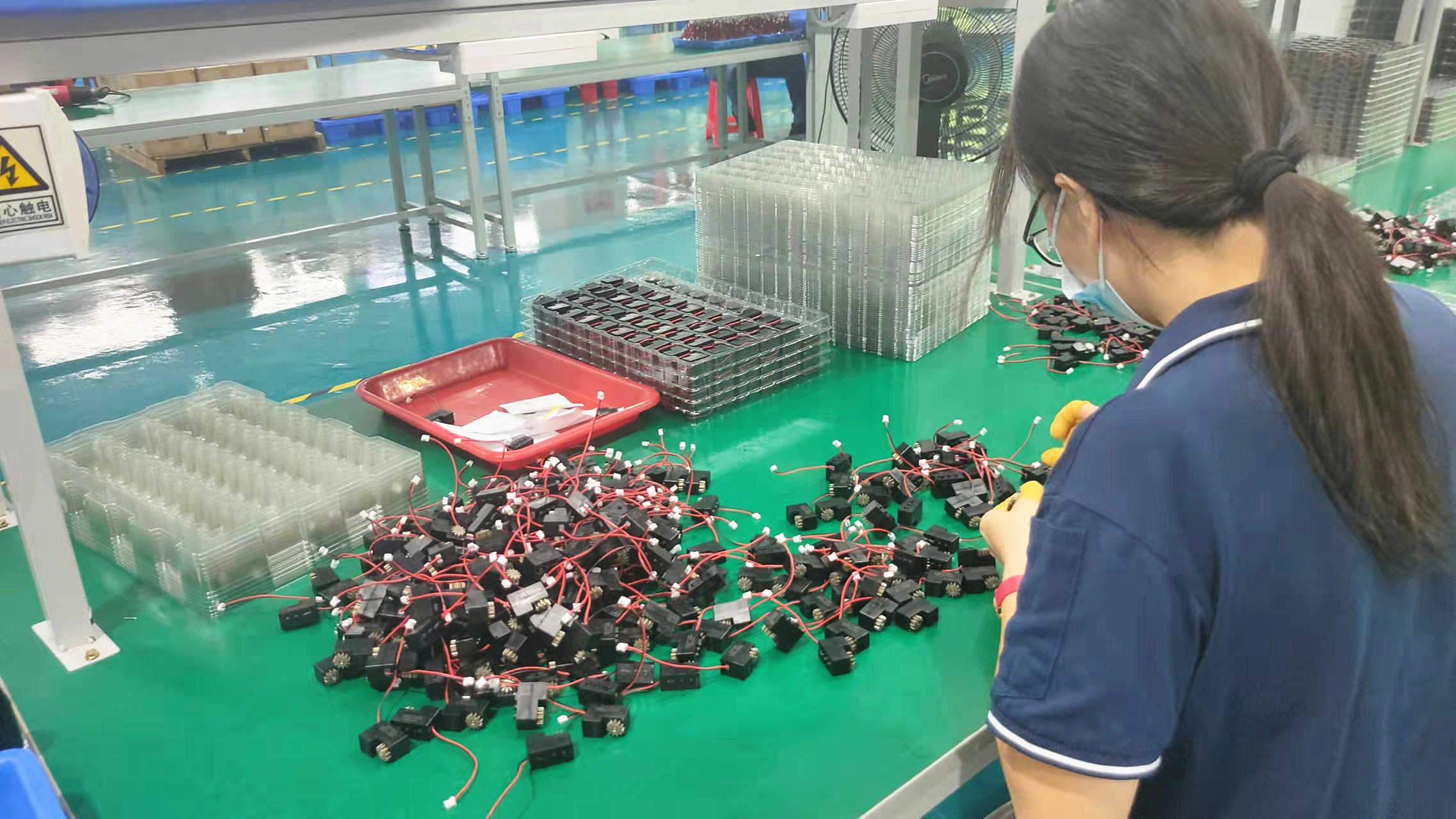
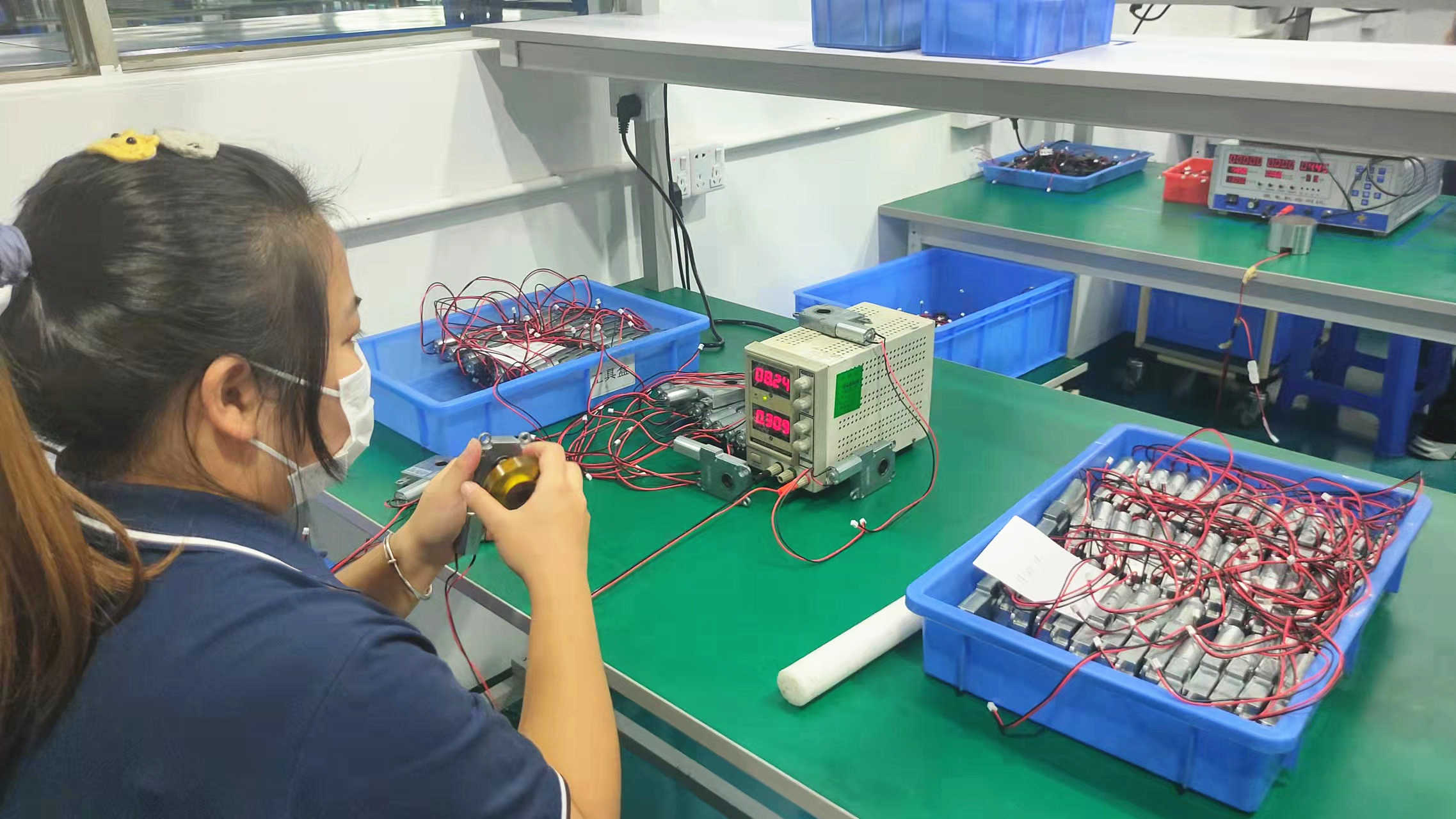
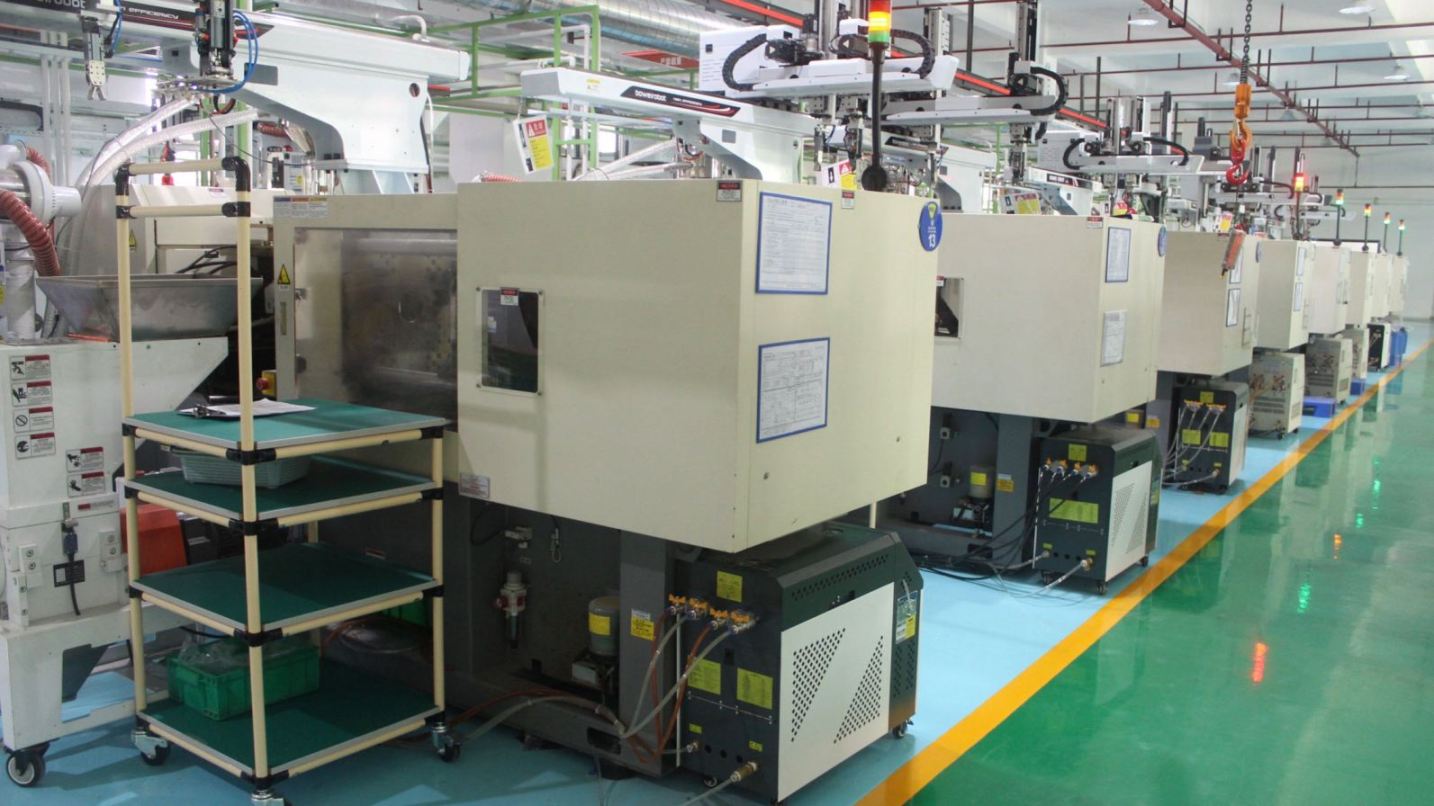
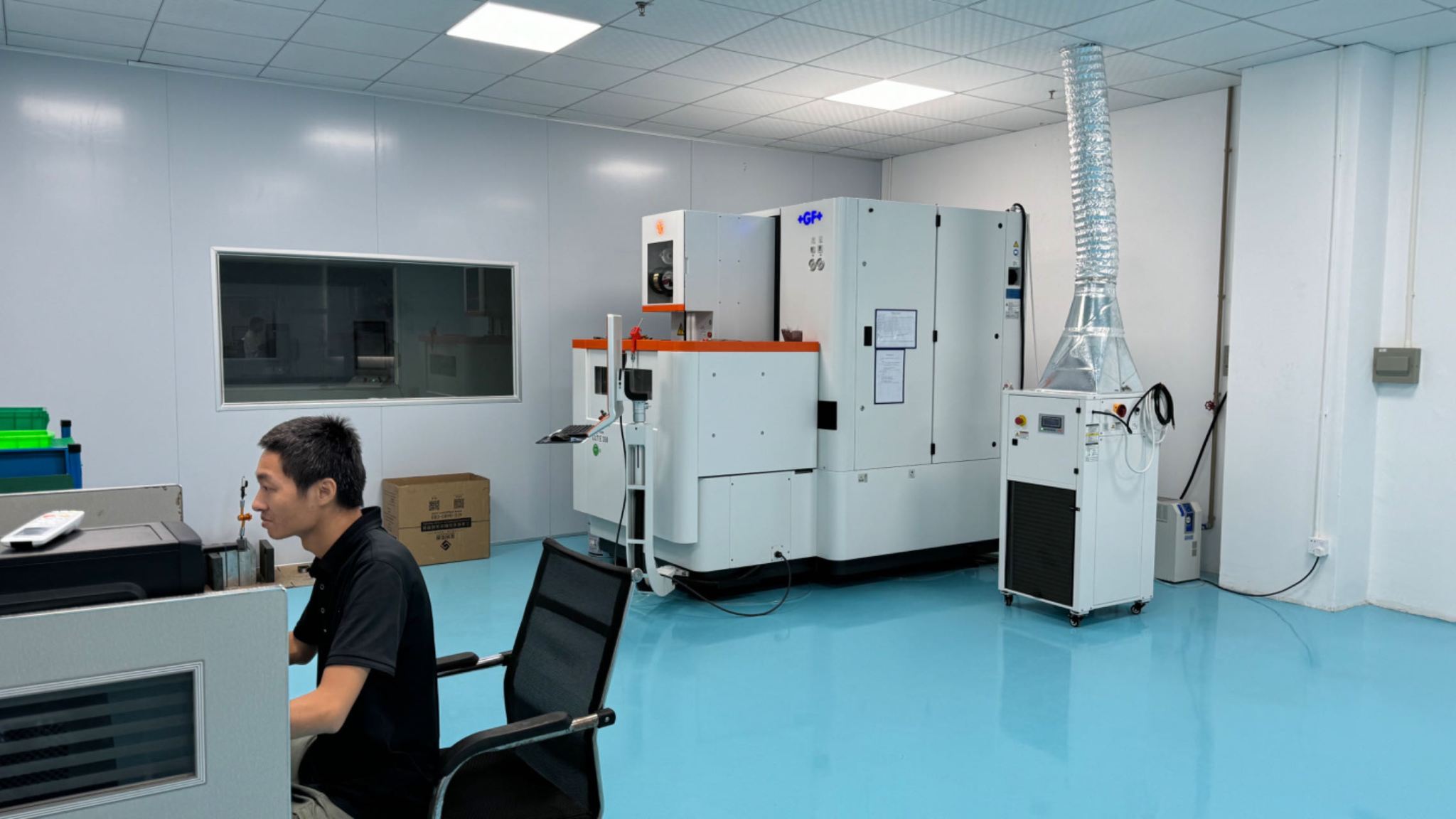
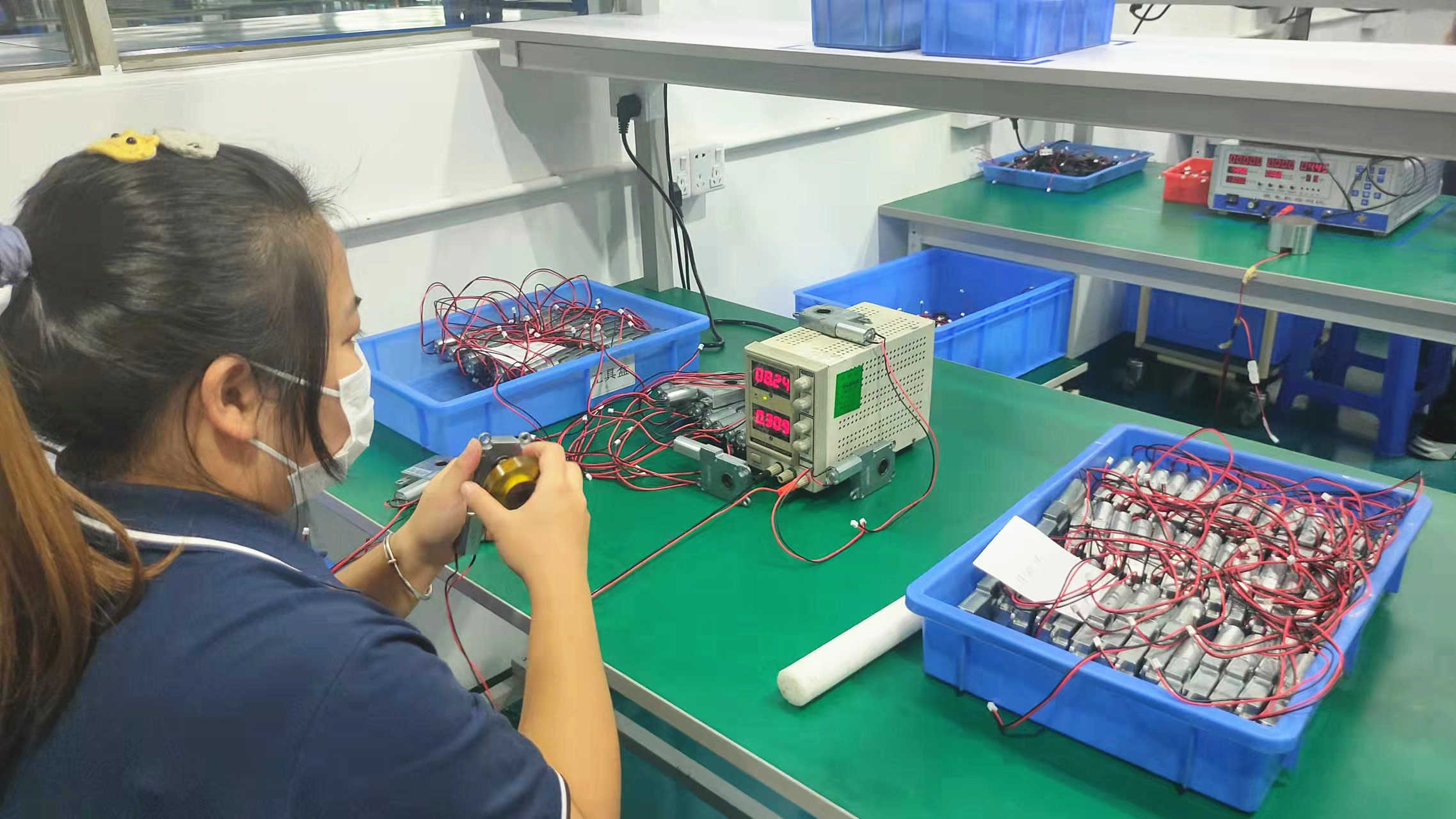
We do not operate through trading facades. When you partner with YWOO Motor, you gain direct access to our ISO9001-certified production facility, transparent lead times, and an agile raw material supply chain that cushions your project against global market volatility. By implementing strict automated manufacturing and 100% pre-shipment performance testing under real industrial loads, we ensure that what arrives at your assembly line matches your approved technical blueprints perfectly. No communication gaps, no hidden delays—just reliable, factory-direct efficiency.
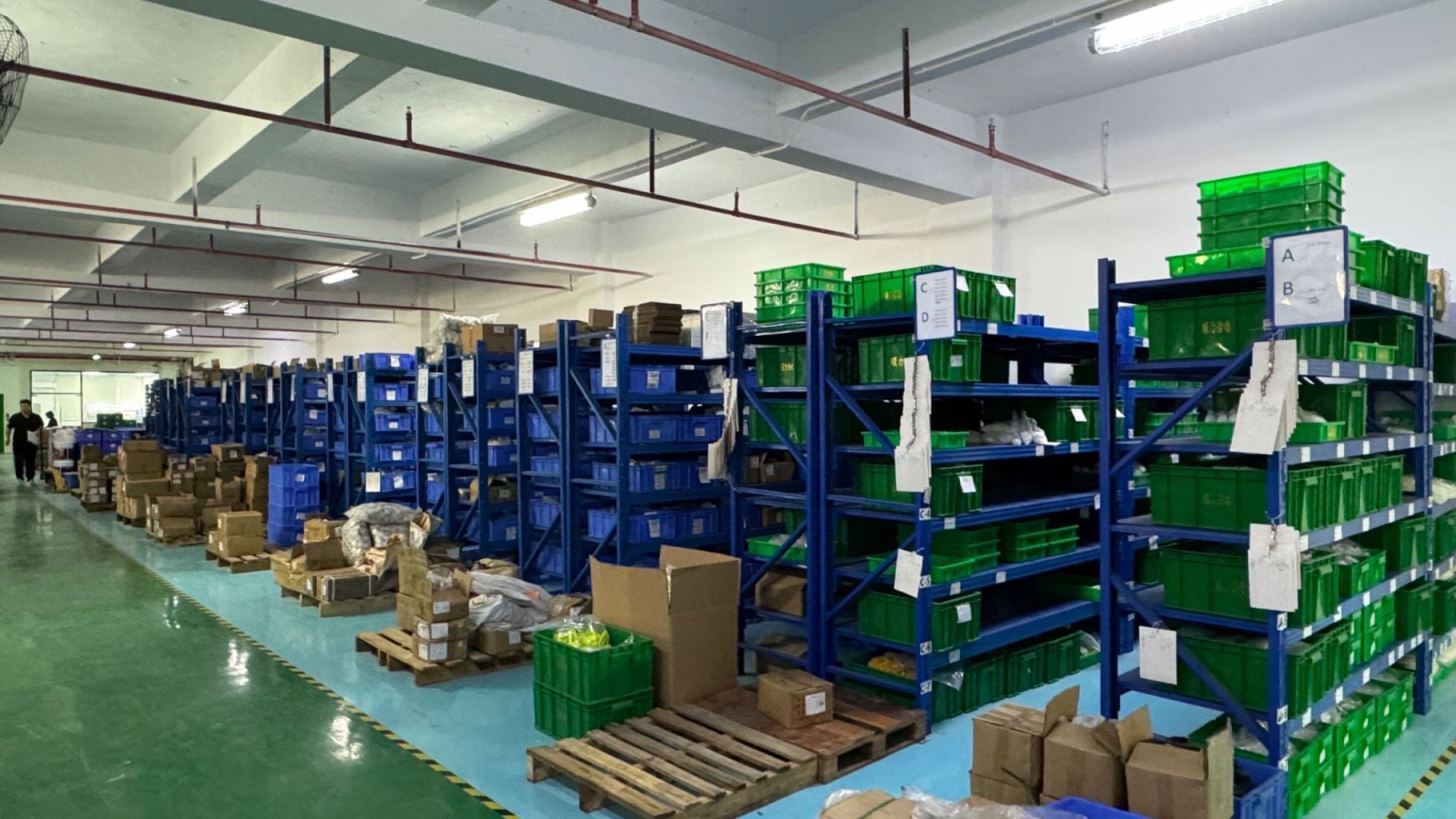
From dynamic material buffering to automated final quality gates, we mitigate international shipping and lead-time risks by retaining end-to-end processing controls under a single operational roof.

Decoding the shift towards high-reliability, fault-tolerant electromagnetic systems in modern automation.
The global industrial landscape is undergoing a structural transition from legacy single-phase and three-phase motor systems toward sophisticated multi-phase motor topologies. A multi-phase motor—typically defined as having five or more distinct electrical phases—is no longer a specialty component confined to aerospace systems. Instead, it has emerged as a cornerstone technology for automotive electrification, high-payload industrial automation, marine propulsion, and heavy-duty robotic actuator networks.
The fundamental commercial driver behind this adoption is the demand for unprecedented system reliability and torque optimization. By distributing the system's total electrical current across multiple phases, industrial systems reduce the structural footprint of power electronics while achieving significant performance advantages. The primary benefit lies in thermal management: lower phase currents mean reduced thermal stress per terminal connection, extending the mean time between failures (MTBF) of the motor drive controller and the motor assembly itself.
From an international sourcing perspective, original equipment manufacturers (OEMs) in North America and Western Europe are increasingly demanding custom multi-phase configurations to comply with stringent functional safety standards (such as ISO 26262 and IEC 61508). As a result, the role of a motor supplier has changed; suppliers must now serve as co-development partners capable of matching custom electromagnetic designs with advanced control protocols.
If a single phase fails in a standard motor, the system halts. Multi-phase architectures allow continuous, albeit degraded, operation even when one or two phases are fully lost, ensuring zero downtime in critical operations.
By increasing the number of phases, the harmonic torque pulsations are significantly minimized. This produces ultra-smooth shaft rotation, vital for precision scanning, optical guidance, and high-speed CNC milling.
Splitting high current loads across multiple copper windings allows design engineers to optimize copper utilization, yielding compact structural dimensions while matching equivalent power ratings.
The engineering trajectory for micro-drive and multi-phase motor solutions is heavily influenced by materials science and control processor capabilities. Historically, permanent magnet motors relied on isotropic ferrites. Today, high-performance systems utilize sintered Neodymium-Iron-Boron (NdFeB) magnetic alloys, which provide the high coercive force necessary to achieve substantial torque densities within micro-scale structural envelopes.
Concurrently, the integration of wide-bandgap (WBG) semiconductors like Gallium Nitride (GaN) and Silicon Carbide (SiC) in motor controllers has revolutionized phase commutation. These materials allow higher switching frequencies, enabling smooth sinusoidal drive control for multi-phase BLDC motors and significantly reducing parasitic electrical noise.
In addition, modern smart manufacturing relies on embedded sensor technology. Integrated absolute encoders, high-resolution Hall-effect arrays, and sensorless field-oriented control (FOC) algorithms are now standard features. They allow real-time diagnostic reporting back to central PLC architectures, facilitating predictive maintenance strategies.
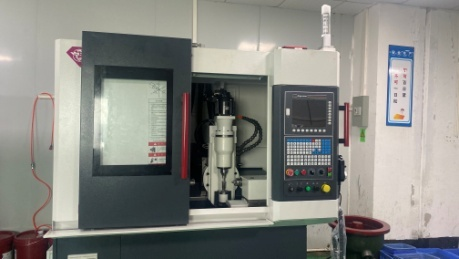
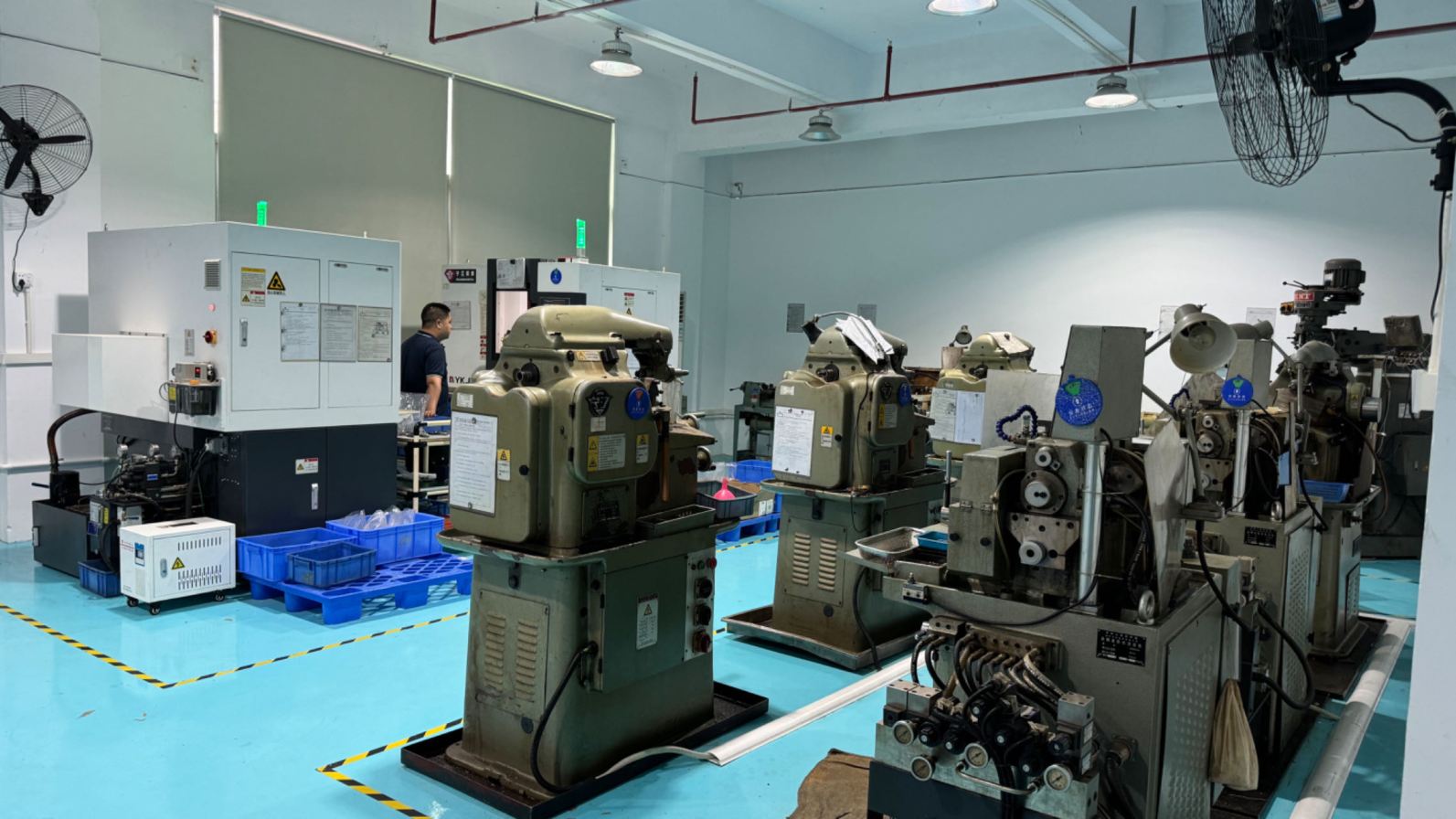
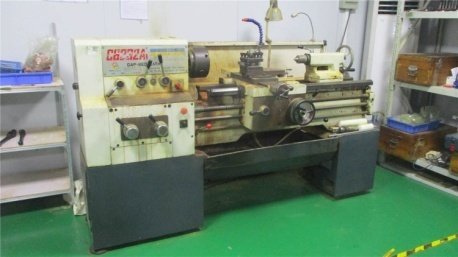
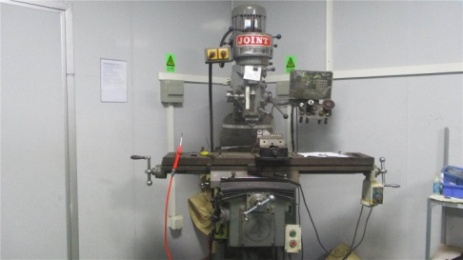
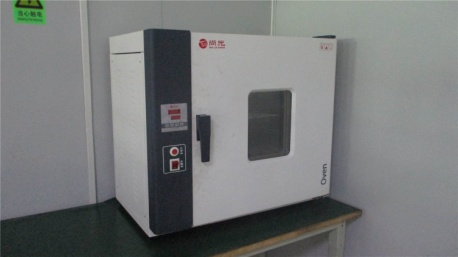
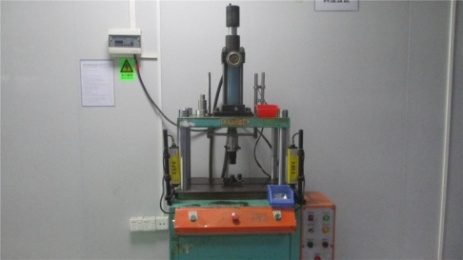
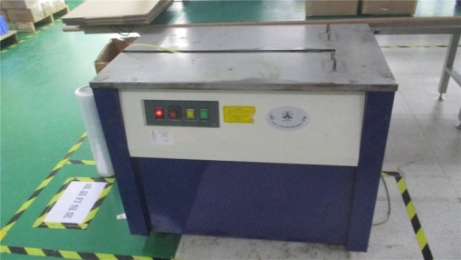
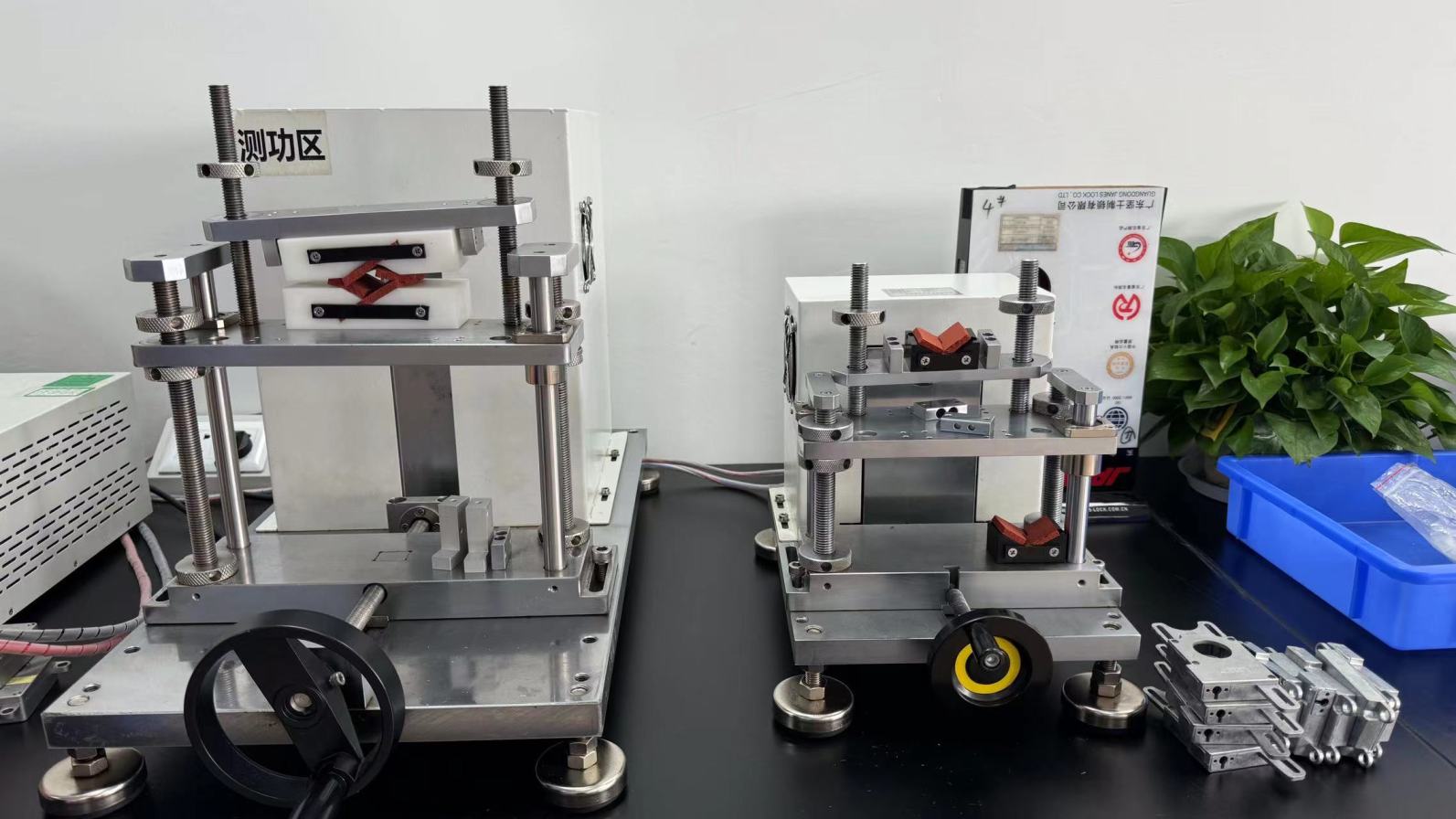
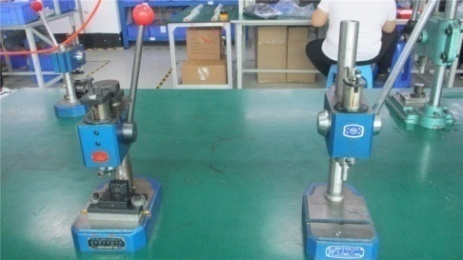
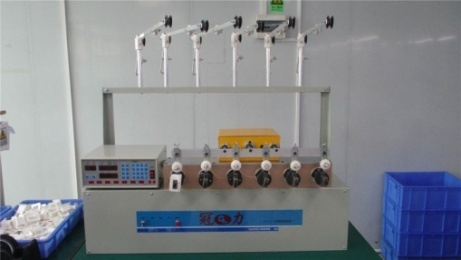
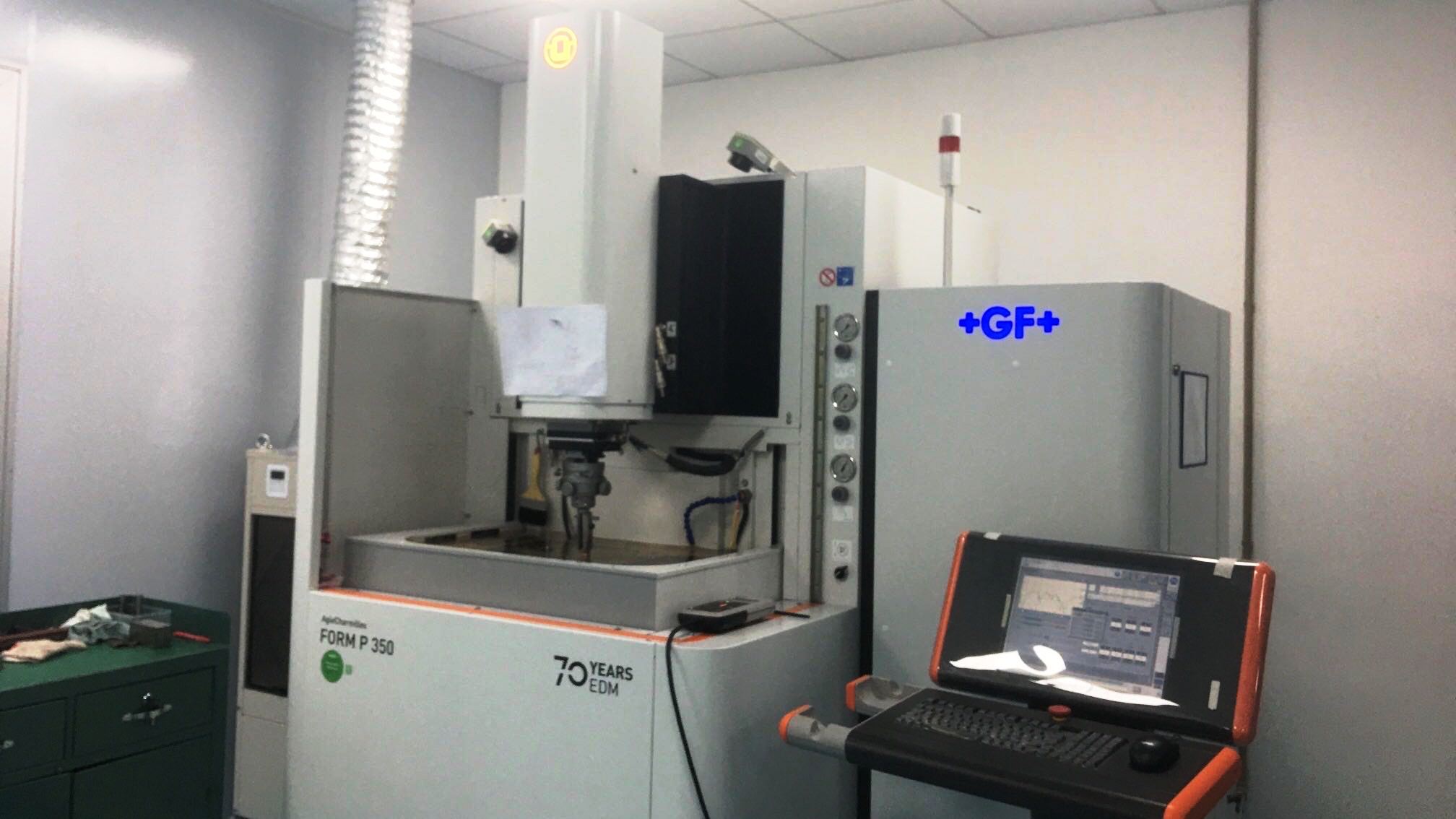
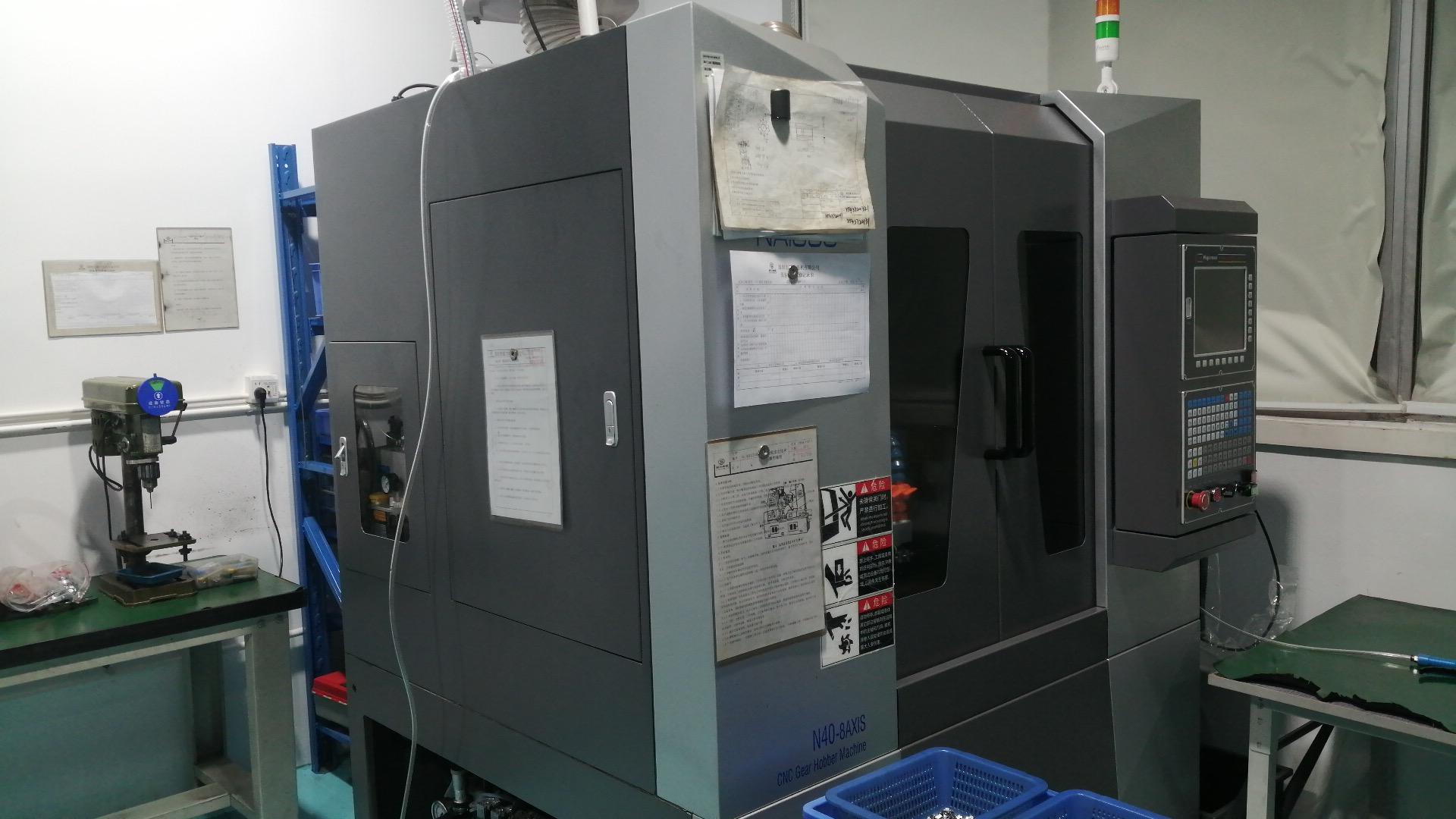
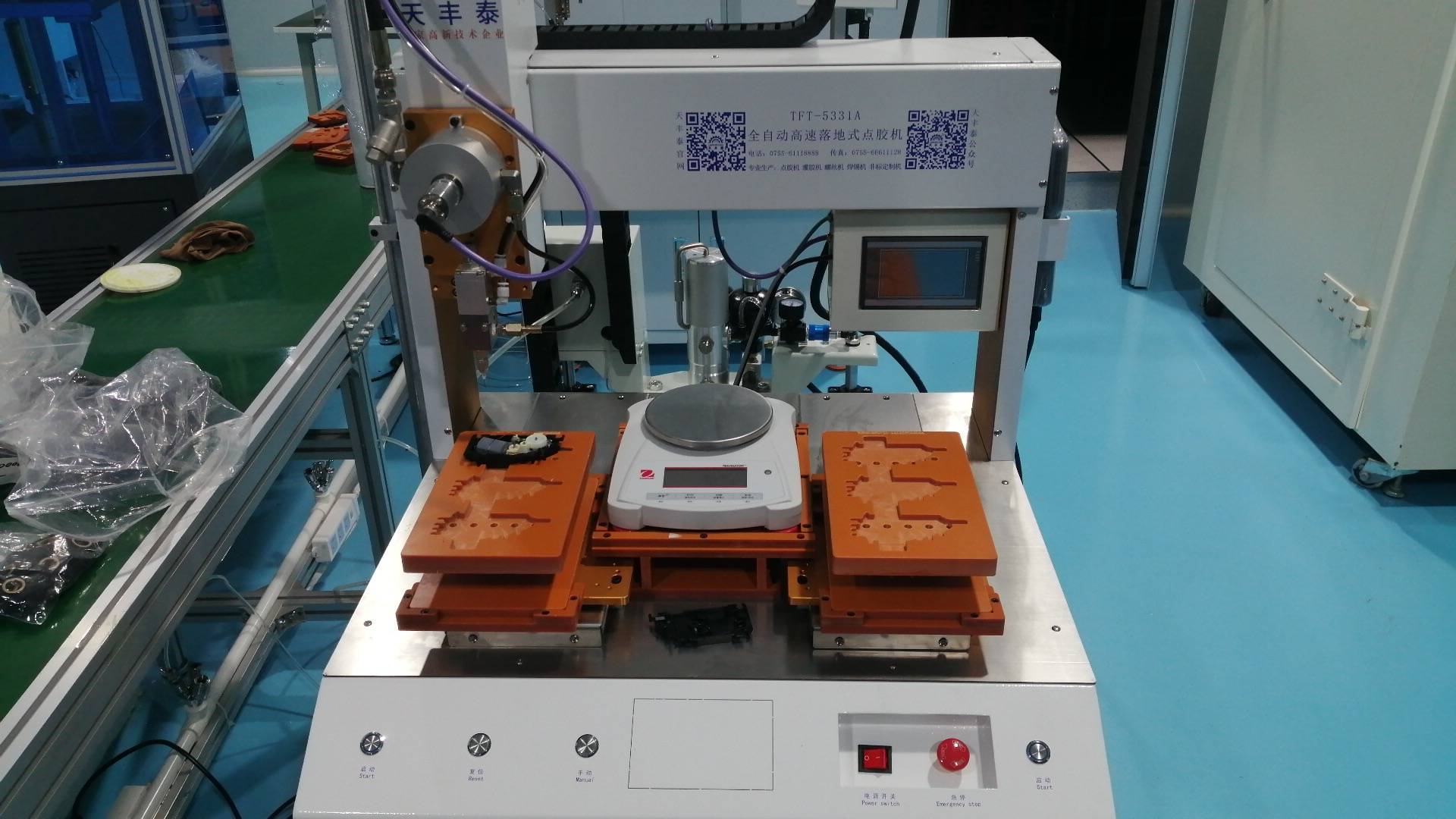
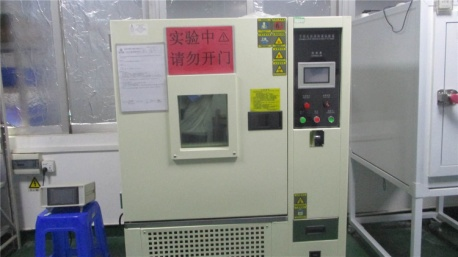
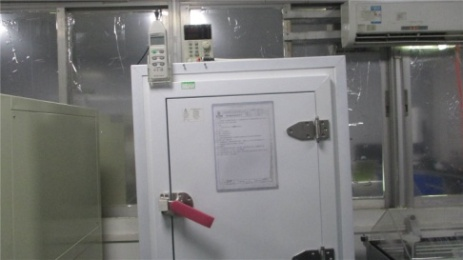
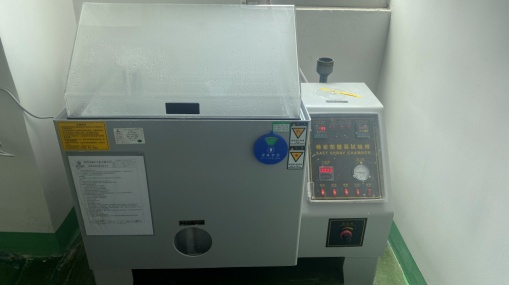
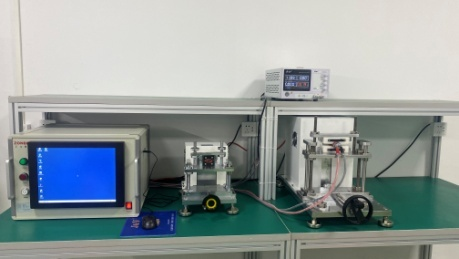
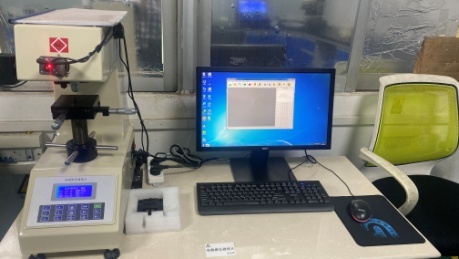
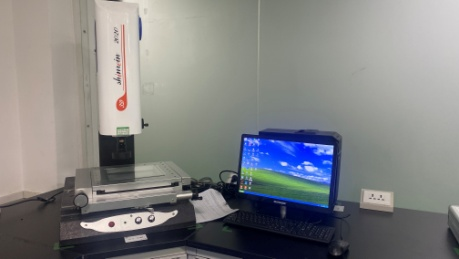
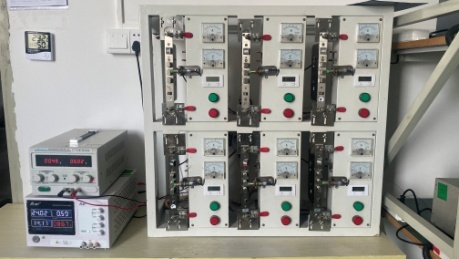
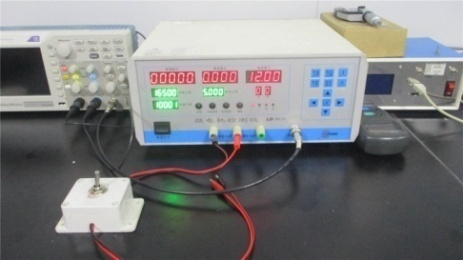
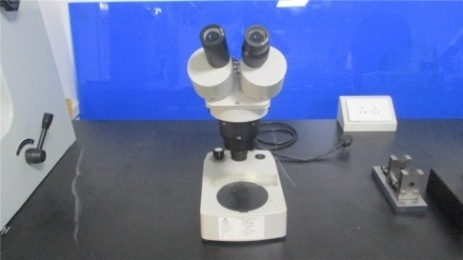
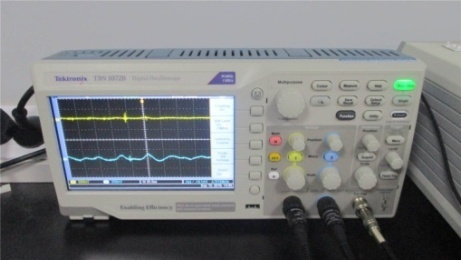
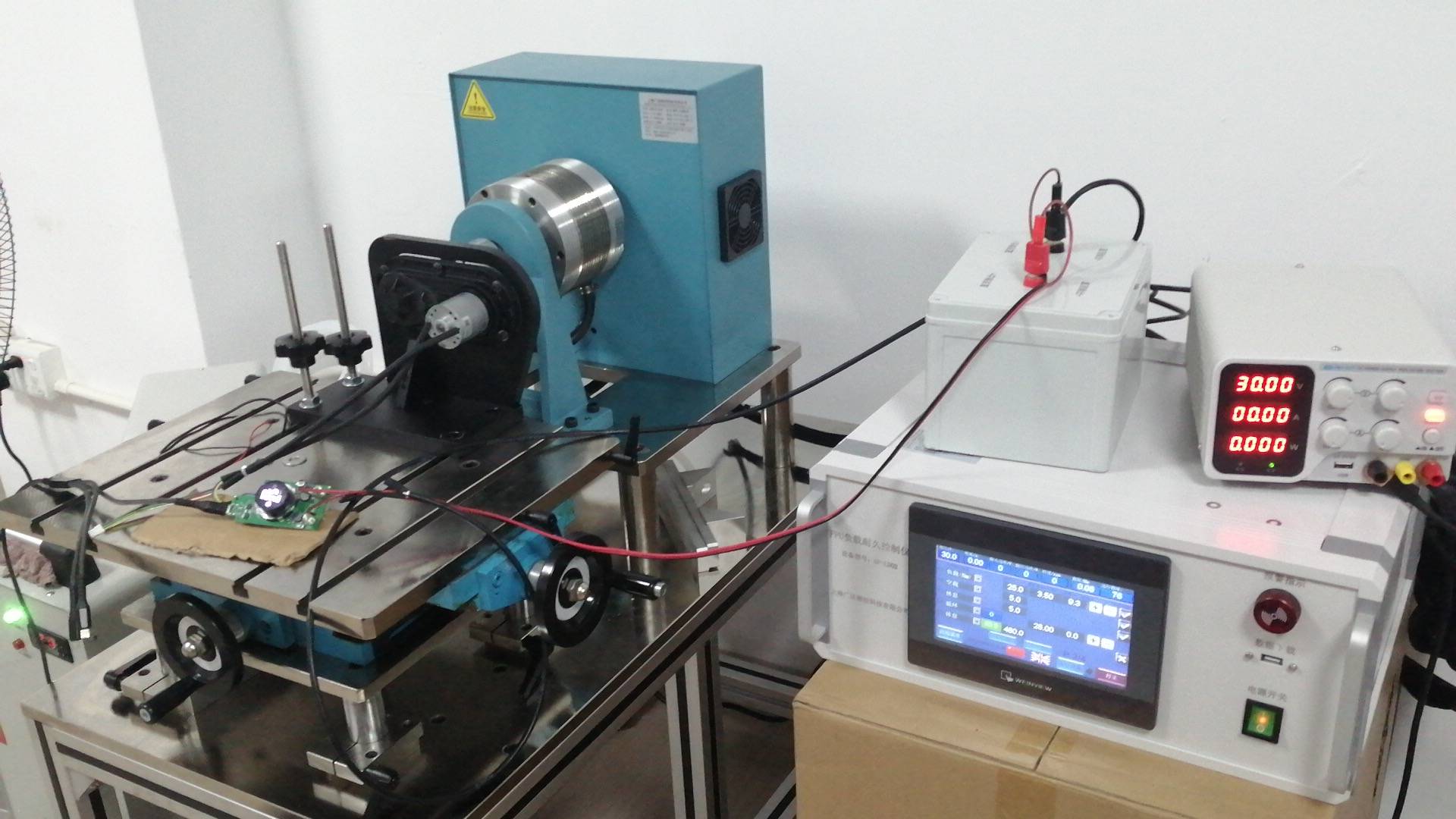
Controlling every manufacturing node from raw material processing to final validation to guarantee batch consistency.

How custom multi-phase and micro gear motors solve application-specific design constraints.
Ultra-low noise, high positional precision, and fail-safe reliability are critical for surgical robotics and automated lab scanners. Our multi-phase BLDC solutions guarantee clean, predictable angular increments under load.
Electric lawn mowers and power equipment require high starting torques and resilient ingress protection. We design customized 12V-48V high-torque planetary drives capable of handling continuous impact loads and moisture exposure.
Utilizing high-speed 12V-24V micro motors exceeding 15,000 RPM, we support modern smart hair dryers and personal care devices that demand strict thermal limits and optimal power-to-weight configurations.
Direct engineering insights addressing common design, sourcing, and implementation questions.
Robust permanent magnet DC and AC shaded pole assemblies optimized for high-volume manufacturing.
 YWOO Motor