Top Motors for Lock Solutions You Need to Know?

Time:2026-08-07 Author:Madeline
0%

In the rapidly evolving security landscape, understanding the right "Motor For Lock" solutions is essential. Experts like John Robinson, a leading figure in the lock technology field, emphasize, “Choosing the right motor can significantly enhance security.” His statement highlights the importance of selecting high-quality motors for locking systems.

Different motors offer varied benefits, impacting overall performance. For instance, electromechanical motors provide reliable operation, while solenoid motors excel in quick engagement. However, not all solutions meet every need. Companies often struggle with motor mismatches, leading to vulnerabilities. Facility managers should prioritize compatibility with existing systems.

Reliable motor options are vital in protecting assets. As technology advances, so do the risks associated with security. A well-chosen "Motor For Lock" does not just improve safety; it reflects a commitment to proactive security measures. As we explore the best motors available, it's crucial to balance functionality and safety.
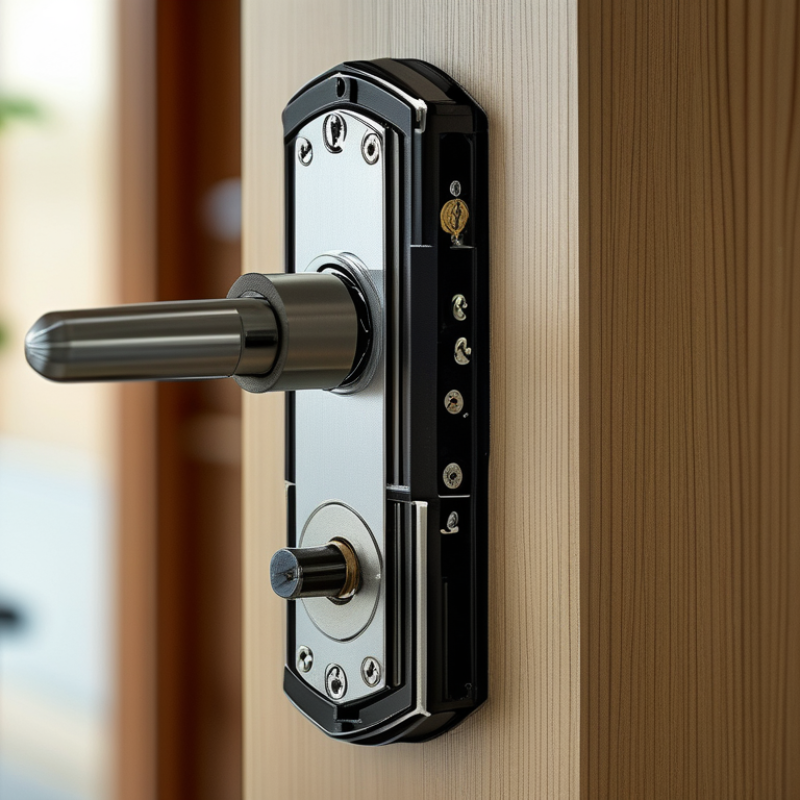
Top Motors for Lock Solutions You Need to Know?

Key Factors to Consider When Choosing Lock Motors

When choosing lock motors, there are several critical factors to consider. Power is one of the primary aspects. Motors should have sufficient strength to securely lock and unlock. Weak motors can compromise security, leading to safety concerns.

Another key element is compatibility. Ensure the motor fits well with your existing lock system. An unsuitable motor may cause malfunctions or increased wear. It’s crucial to have a seamless connection between the motor and lock.

Tips: Always check the weight specifications. High-demand installations may require heavy-duty motors. Consider the frequency of use. Frequent operation can wear down lower-grade motors more quickly.

Speed also matters. Some applications require quick locking mechanisms. Conversely, some situations benefit from slower, more deliberate locking processes. Evaluate your specific needs to determine the appropriate speed. Always reflect on your choices. Sometimes, what's ideal in theory may not suit practical situations.

Types of Motors Commonly Used in Lock Solutions

When it comes to lock solutions, the type of motor used plays a crucial role. Various motors offer distinct advantages. Understanding these can help in making informed decisions for security needs.

Electric motors are the most common choice. They are known for their quick response time and ease of integration. Reports indicate that about 70% of modern locks utilize electric motors for their design. Solenoid motors, a specific type of electric motor, are often chosen for their reliability in high-frequency operations. They activate quickly and provide a strong locking action. However, their power consumption can be a drawback, particularly for battery-operated locks.

On the other hand, stepper motors provide precise control over locking mechanisms. These motors are widely used in sophisticated access control systems. They allow for accurate positioning, making them ideal for applications requiring multiple locking points. Yet, they can be complex to implement and may require advanced programming skills, which could deter some users. According to market studies, the demand for stepper motors in lock solutions has risen by 15% in recent years, underscoring the shift towards precision in security technology.

Top Motors for Lock Solutions You Need to Know

Type of Motor Voltage Torque (Nm) Speed (RPM) Common Use Case
DC Motor 6-24V 0.5 - 2.0 2000 - 3000 Electromagnetic Locks
Stepper Motor 12-48V 1.0 - 3.5 400 - 1200 Electronic Locks
AC Motor 110-240V 2.0 - 5.0 1500 - 3000 Industrial Locks
Brushless Motor 24-48V 1.5 - 4.0 3000 - 6000 High-Security Locks
Solenoid 12-24V 0.1 - 1.0 N/A Deadbolt Locks

How Electric Motors Enhance Security Systems

Electric motors play a crucial role in modern security systems. They enhance the efficiency and reliability of locking mechanisms. According to industry reports, over 70% of security systems now utilize electric locks, which are often powered by these motors. The integration of electric motors allows for smoother operation. They can respond quickly to command signals, increasing safety.

A study shows that implementing electric motors in locking solutions can reduce unauthorized access incidents by up to 40%. This improvement is not just about convenience. It’s about safeguarding properties and assets effectively. The precision of electric motors ensures that locks engage firmly and consistently, minimizing wear and tear over time. However, reliance on electrical systems poses some concerns. Power outages or technical failures can compromise security.

Most electric locks now connect to smart systems, allowing remote access. Yet, the complexity of these systems may deter some users. Many people struggle with interface navigation. This complicates straightforward security measures. Striking a balance between technology and user-friendliness is crucial. While electric motors enhance security, they also bring new challenges that require ongoing assessment.

Maintenance Tips for Lock Motors to Ensure Longevity

Lock motors are vital for secure access, requiring regular maintenance for optimal performance. One key aspect of maintenance is keeping the motor clean. Dust and debris can hinder its operation. Use a soft cloth to wipe the exterior. Avoid using water or harsh chemicals that could damage the components.

Lubrication is another essential factor. Regularly apply appropriate lubricant to the moving parts. This reduces friction and wear over time. However, too much lubricant can attract dirt. Striking a balance is crucial. Also, inspect the wiring for any signs of wear or damage. Faulty wiring can lead to malfunctions.

Temperature fluctuations can also impact motor performance. Ensure the motor is protected from extreme weather conditions. If the motor operates in an area subject to temperature changes, consider insulation options. Inconsistent performance can lead to unnecessary repairs. A proactive approach to maintenance can save time and money in the long run.

Future Trends in Lock Motor Technology and Innovations

The landscape of lock motor technology is evolving rapidly. As more properties prioritize security, the industry is witnessing innovations that enhance both functionality and user experience. According to a recent industry report, the electric lock market is projected to reach $3 billion by 2025, driven by advancements like smart locks and keyless entry systems. This trend indicates a shift towards integrating technology with traditional locking mechanisms.

The integration of the Internet of Things (IoT) is one key trend. Motors equipped with IoT capabilities allow for remote monitoring and control, improving security measures. For example, users can receive alerts on their smartphones whenever their lock is accessed. However, this technology is not without flaws; hackers pose a significant risk to these systems.

Tip: Regularly update your lock software to mitigate vulnerabilities.

Another innovation is the development of energy-efficient motors. Many modern locks now utilize low power consumption technology, which prolongs battery life. However, the reliability of these batteries can vary. Users may find themselves locked out if a battery dies unexpectedly.

Tip: Replace batteries in smart locks annually.

Reflecting on the future, sustainability cannot be overlooked. Motors that utilize recycled materials are gaining attention, aligning with environmental goals. Yet, the durability of these materials remains a concern. Balancing innovation with reliability is essential as the market progresses.

FAQS

: What should I consider when choosing lock motors?

: Power is crucial. Ensure the motor is strong enough for secure locking and unlocking.

How important is compatibility with existing locks?

Compatibility is key. A mismatched motor may lead to malfunctions and increased wear.

What weight specifications should I check?

Always consider the weight specifications. Heavy-duty motors may be needed for high-demand installations.

Does frequency of use affect motor lifespan?

Yes, frequent operation can wear down lower-grade motors quickly. Reflect on how often you’ll use the lock.

Are there different types of motors for locks?

Yes, electric motors are common for quick responses. Solenoid motors are reliable but may consume more power.

What are the advantages of stepper motors?

They provide precise control and are ideal for complex locking systems but may need advanced programming skills.

How does speed impact lock motors?

Speed matters. Some applications require quick locking, while others may benefit from slower mechanisms.

Can I rely on electric motors for high security?

Electric motors are widely used and trusted, but always consider your specific security needs.

What is a common drawback of solenoid motors?

They can consume a lot of power, which may be an issue for battery-operated locks.

Should I reflect on my motor choices?

Yes. What seems ideal theoretically might not always be practical for your specific situation.

Conclusion

In the realm of security systems, selecting the right motor for lock solutions is crucial for optimal performance and reliability. Key factors to consider when choosing a motor for lock include torque, speed, and energy efficiency, which all play a significant role in ensuring robust security. Common types of motors used in lock solutions range from servo motors to stepper motors, each offering distinct advantages for different applications.

Electric motors significantly enhance security systems by providing precise control and fast response times, which are essential for effective locking mechanisms. To ensure the longevity of lock motors, regular maintenance is vital, including checks for wear and tear, lubrication, and proper alignment. Looking ahead, innovations in lock motor technology promise smarter and more integrated solutions, harnessing advancements such as IoT connectivity and automated updates, ensuring that security systems remain resilient against emerging threats.

Madeline

Madeline

Madeline is a dedicated marketing professional with a wealth of expertise in our company's core offerings. With a keen understanding of the industry, she brings a unique perspective to her role, consistently delivering high-quality content that highlights the superior aspects of our products. As......