In the world of "Motor In Stock," finding the best deals can feel daunting. Industry expert John Carter emphasizes, "Smart sourcing is key to maximizing your profit." His insight reflects a crucial point in this ever-changing market.
When exploring options, keep an eye on inventory levels and seasonal trends. Prices can fluctuate greatly, impacting your overall success. Many buyers overlook these factors, leading to missed opportunities. Detailed research is essential to avoid unnecessary losses.
It's important to consider reliable suppliers. A poor choice can affect your reputation and bottom line. Maintaining strong relationships with trusted vendors ensures better deals and consistent quality. Remember, even experienced professionals learn from past mistakes. Embrace the journey of sourcing in the "Motor In Stock" industry and continuously seek improvement.
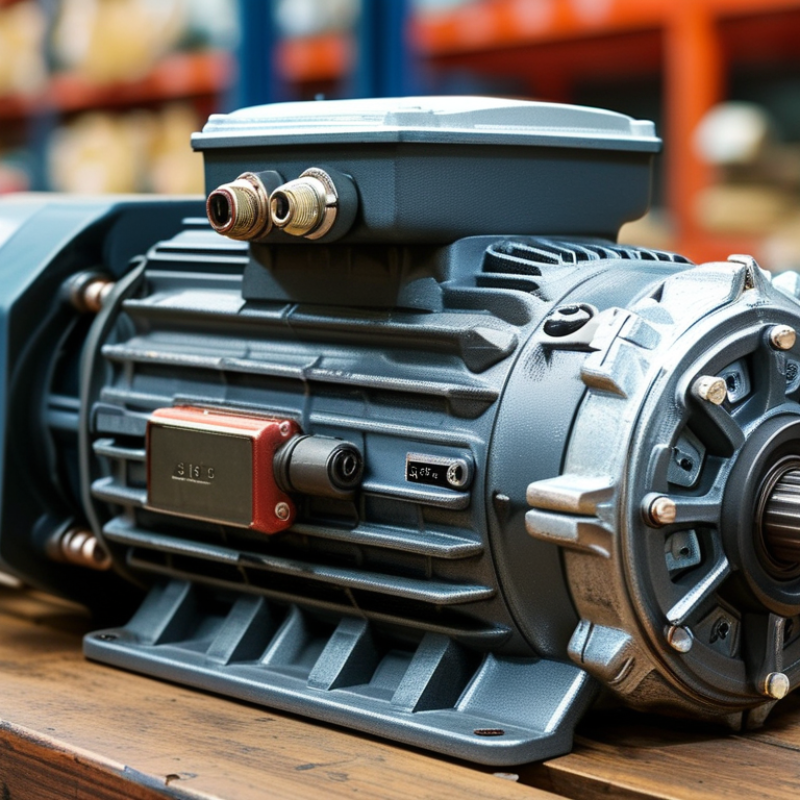
When sourcing motors, understanding their types is essential. Each motor type serves a unique purpose. AC motors are common in household appliances. They run on alternating current and are efficient for steady applications. In contrast, DC motors operate on direct current. These are suitable for toys and small machinery where controllability matters.
Another critical type is the stepper motor. It allows precise control of position and speed. This is perfect for 3D printers and robotics. However, stepper motors can be complex to integrate. Their wiring and control systems require careful planning. Missteps here can lead to inefficiencies.
Lastly, consider servo motors. They provide excellent torque and control for robotic arms. They excel in tasks that require accuracy. Nonetheless, they can be costly. Evaluating the application and budget is crucial. Exploring these motor types can yield better sourcing decisions, but it requires attention to detail and a willingness to adapt.
| Motor Type | Common Applications | Average Price ($) | Efficiency Rating |
|---|---|---|---|
| AC Induction Motor | Industrial pumps, Fans, Compressors | 150 | 85% |
| DC Brushed Motor | Electric vehicles, Robotics, Tools | 80 | 75% |
| Stepper Motor | 3D printers, CNC machines, Automation | 120 | 80% |
| Brushless DC Motor | Drones, Computer cooling fans, HVAC systems | 200 | 90% |
| Synchronous Motor | Large industrial applications, Power generation | 300 | 92% |
When sourcing motors, evaluating suppliers is crucial. Reliable suppliers ensure quality and timely delivery. Look for suppliers with a proven track record in the industry. This can be determined through reviews and testimonials. Ask for references from previous clients.
Consider their production capabilities and quality control measures. A good supplier should have clear protocols in place. Check if they adhere to industry standards. This information is often available on company websites. Do not hesitate to ask probing questions during initial conversations.
Sometimes, the lowest price might indicate poor quality. Balance cost with reliability. Take time to evaluate potential partners. It’s also wise to compare multiple suppliers. Focus on building long-term relationships with trustworthy sources. By investing effort in finding the right suppliers, you’ll secure better deals and consistent quality.
When sourcing motors, it's essential to consider factors that can significantly impact your overall investment. Motor efficiency ratings are one of these factors. According to industry reports, a motor's efficiency can range from as low as 70% to over 95%. A more efficient motor may require a higher initial investment but can offer considerable savings in energy costs over its lifespan.
The performance of the motor is another crucial aspect. Parameters such as torque, speed, and load capacity should align with your operational needs. For instance, a report by the Department of Energy highlights that improperly sized motors can lead to inefficiencies, potentially increasing energy consumption by over 20%. Selecting the right specifications can mitigate this risk.
Additionally, understanding the material composition and durability of motors is vital. Motors made from high-grade materials tend to have longer lifespans. Yet, opting for cheaper alternatives might save money upfront. This can result in higher maintenance costs and frequent replacements. Balancing initial costs against long-term value is imperative in sourcing decisions.
Negotiating the best prices while sourcing motors requires a strategic approach. Effective negotiation is a blend of preparation and communication. Before entering discussions, gather data on market trends and current prices. Knowing your numbers builds confidence and authority. It also allows you to present compelling arguments that illustrate the value of your proposal.
The key is to foster a constructive dialogue. Ask open-ended questions to understand the seller's perspective. This can reveal their priorities and constraints. Listening actively can help you identify opportunities for compromise. For instance, if a seller is hesitant about price, uncover if they might offer better payment terms or deliveries instead. Each negotiation is unique, and flexibility can enhance outcomes.
Reflecting on past negotiations can provide valuable insights. Was there a moment when you could have pushed harder? Did you miss a chance to highlight your strengths? Continuous reflection helps refine tactics. It's a learning process, and embracing imperfection in negotiations allows for growth and enhanced strategies. Remember, a successful deal isn't just about cutting costs; it’s about creating lasting relationships through transparency and trust.
Timing is crucial when purchasing motors. Analyzing market trends can lead to significant savings. Seasonal changes often affect prices. For example, manufacturers might reduce prices during off-peak seasons. When demand is low, suppliers are more inclined to offer better deals. Keeping an eye on these shifts helps buyers act swiftly.
Next, it's essential to monitor industry news. New technologies may disrupt market dynamics. A groundbreaking innovation could lead to fire sales on older models. It’s a gamble but can pay off nicely. Also, consider analyzing online forums and expert reviews. These platforms often reveal when others have scored great deals. Engaging with community insights provides a broader perspective.
It's important to reflect on your past purchases. Were you too eager during a price surge? Did you miss an opportunity because of a lack of research? Learning from previous experiences can help refine your strategy. Staying informed and adaptable is key. The market fluctuates, and your ability to pivot can result in exceptional finds.
: The main types of motors include AC motors, DC motors, stepper motors, and servo motors. Each serves different purposes.
AC motors are common in household appliances. They work efficiently for steady applications, like fans and refrigerators.
DC motors operate on direct current. They are ideal for toys and small machines where control is crucial.
Stepper motors allow for precise control of position and speed. They are perfect for applications like 3D printing.
Consider motor efficiency, performance, material quality, and cost. These factors impact overall investment and long-term savings.
Motor efficiency ratings vary. A more efficient motor may cost more upfront but saves on energy costs over time.
Improperly sized motors can lead to inefficiencies. This can increase energy consumption by over 20%.
High-grade materials enhance motor durability and lifespan. Cheaper options may lead to higher maintenance costs later.
Servo motors provide excellent torque and control. However, they can be costly, so consider your budget carefully.
Stepper motors can be complex to integrate. Careful planning of wiring and control systems is necessary to avoid issues.
When sourcing the best deals on "Motor In Stock," understanding the various types of motors and their applications is crucial. This knowledge allows buyers to identify the most suitable products for their specific needs. Evaluating suppliers for reliability is also essential, as a trustworthy supplier can ensure consistent availability and quality of stock.
Moreover, comparing key factors such as pricing, warranty, and delivery times can significantly impact purchasing decisions. Employing effective negotiation strategies can further assist in securing the best prices. Finally, analyzing market trends and timing purchases wisely can lead to optimal savings and ensure that buyers take advantage of the best offers available in the market.

YWOO Motor