Choosing the right AC Shaded Pole Gear Motor can significantly impact your project's efficiency. These motors are known for their simplicity and reliability. However, selecting the best one requires careful consideration.
There are various factors to consider. The motor's power rating is essential. You'll need to match the motor's specifications with your application needs. Overloading can lead to malfunctions. Additionally, the gear ratio affects output speed and torque. An incorrect gear ratio can result in poor performance.
Users often overlook the motor's thermal management. AC Shaded Pole Gear Motors generate heat. Inadequate cooling can reduce lifespan. Lastly, compatibility with your system is critical. An incompatible motor can be costly. Evaluating these factors with a meticulous approach is crucial in making the right choice. This process may feel overwhelming, but the right motor can enhance performance significantly.
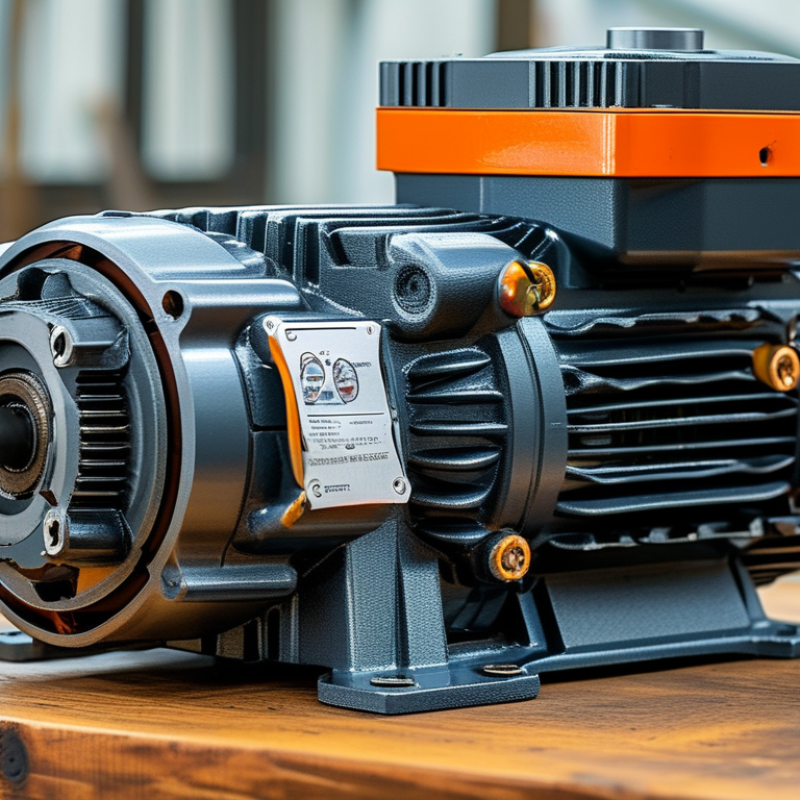
Shaded pole gear motors are known for their simplicity and reliability. They have a unique design that uses a shaded pole to create the magnetic field. This design makes them easy to manufacture and maintain. Users often appreciate the lack of complex components, which leads to a longer lifespan. These motors are commonly found in small appliances, fans, and HVAC systems. Their compact size is an added advantage, allowing for flexible applications in tight spaces.
One key feature of shaded pole gear motors is their low starting torque. This characteristic may limit their use in applications requiring high initial power. However, this low torque can be beneficial in applications where gradual acceleration is needed. Efficiency can be another concern, as shaded pole motors typically consume more energy than other types. It’s important to consider the specific requirements of your application when choosing one.
Understanding these features helps in making informed decisions. A shaded pole gear motor might be perfect for certain uses but not for others. Evaluating the specific needs, such as power consumption and space constraints, is vital. While these motors offer several advantages, it's essential to weigh their limitations against the project's needs. This reflective approach can yield better results in the long run.
Shaded pole gear motors play a crucial role in HVAC systems. These motors are particularly valued for their simplicity and compact design. According to industry reports, they account for approximately 25% of low-power motors used in ventilation systems. Their low cost and low power consumption make them an attractive option for various applications.
In HVAC systems, shaded pole gear motors are commonly found in fans and blowers. They efficiently drive air circulation, ensuring a balanced temperature throughout spaces. Recent data suggests that they can operate effectively in temperatures ranging from -20°C to 60°C, maintaining performance even under challenging conditions. However, these motors may not offer high torque, which can limit their use in demanding applications or where higher initial starting power is needed.
While shaded pole gear motors excel in many areas, they do present some challenges. Their lower efficiency compared to permanent magnet motors is often a concern. In certain HVAC applications, this could lead to higher energy consumption over time. Acknowledging these trade-offs is essential for manufacturers and engineers. Understanding the specific application requirements is crucial for making informed decisions. Balancing performance, efficiency, and cost will pave the way for more effective HVAC solutions.
Choosing the right AC shaded pole gear motor involves several critical factors. First, consider the application. The motor needs to meet the load requirements of your specific use case. Pay attention to the operational environment as well. Is it indoors or outdoors? This affects durability and performance.
Efficiency is another key aspect. AC shaded pole motors have lower efficiency than other types. However, they are popular for small appliances due to their simplicity. Always assess the power rating. A higher wattage can provide more torque. But it might also increase your energy costs. So, weigh the pros and cons before making a decision.
Tip: Evaluate motor speed alongside other specifications. A motor that operates too quickly may not suit your needs.
Also, consider the noise level. Many shaded pole motors can be quite loud, which might not be acceptable in certain environments. It’s essential to balance performance with your comfort requirements. Lastly, always check if the motor has certification standards. This ensures reliability and safety in operation.
When selecting an AC shaded pole gear motor, understanding energy efficiency ratings is crucial. These ratings indicate how effectively a motor converts electricity into motion. A higher rating generally means less energy is wasted, which is beneficial for both the environment and your wallet. It's essential to compare standards such as MEPS and IE efficiency grades before making a decision.
Energy efficiency doesn't just save money; it often correlates with motor longevity. A motor that runs efficiently is less likely to overheat. Overheating can lead to premature wear and tear. You might find motors with similar energy ratings, but slight differences can impact performance dramatically. Knowing how to interpret these ratings helps avoid poor choices.
Consider the application of the motor. Some applications demand high torque while others focus on speed. Evaluate your unique needs against the motor’s efficiency. This assessment often reveals unexpected insights into performance capabilities and potential inefficiencies. Reflection on these choices might uncover uncertainties, guiding you toward a more informed and responsible choice.
| Motor Type | Power Rating (W) | Efficiency Rating | Speed (RPM) | Torque (Nm) | Application |
|---|---|---|---|---|---|
| Shaded Pole Motor A | 50 | IE1 | 1450 | 0.15 | Fans, Exhaust Systems |
| Shaded Pole Motor B | 75 | IE2 | 1700 | 0.2 | Pumps, Compressors |
| Shaded Pole Motor C | 100 | IE3 | 1400 | 0.25 | Conveyor Systems, Cooling Fans |
| Shaded Pole Motor D | 150 | IE4 | 1800 | 0.3 | High-Speed Fans, HVAC Systems |
When selecting a shaded pole gear motor, one common mistake is overlooking the motor’s power rating. Many individuals assume that a higher wattage equates to better performance. However, ample power may not always be necessary for every application. Assess the specific requirements of your setup to better determine what is truly needed.
Another frequent error involves insufficient consideration of the motor's torque characteristics. Users often choose motors based solely on speed. This can lead to underperformance, especially in applications that require consistent torque delivery. Evaluating the torque curve can help avoid issues in operation and ensure longevity.
Lastly, buyers may not give enough attention to the cooling aspects of shaded pole gear motors. Heat management is crucial as it influences efficiency and lifespan. Ignoring ventilation needs can result in overheating. Make sure to factor in the installation environment to mitigate potential thermal problems. This oversight could lead to detrimental performance and unwanted repairs.
C shaded pole gear motor?
Efficiency affects performance. Shaded pole motors are simpler but less efficient than others.
Higher wattage can provide more torque but may increase energy costs. Weigh the benefits carefully.
No, motor speed should be evaluated with other specifications.
Noise can be an issue. Ensure it fits your comfort requirements and environment.
Check for certification to ensure reliability and safety in operation.
Overlooking the motor’s power rating is a frequent error. High wattage isn't always necessary.
It's crucial. Choosing based on speed alone can lead to underperformance.
Proper heat management is vital to avoid overheating and ensure longevity.
Yes, neglecting ventilation can cause overheating and costly repairs.
When selecting an AC Shaded Pole Gear Motor, it is essential to understand its key features and benefits, as these motors are widely used in HVAC systems. Their simple design and reliability make them suitable for various applications, but one must consider several factors influencing their selection, such as operational requirements and load specifications.
Energy efficiency ratings play a crucial role in the decision-making process, ensuring that the chosen motor meets performance criteria while minimizing energy consumption. Additionally, avoiding common mistakes, such as overlooking compatibility issues or misjudging power requirements, can streamline the selection process and enhance system efficiency. By adhering to these guidelines, one can effectively choose the right AC Shaded Pole Gear Motor for specific needs.
YWOO Motor