In the world of manufacturing and automation, the importance of Electric Gear Motors cannot be overstated. These devices are essential for converting electrical energy into mechanical power. As global importers embark on purchasing decisions, having expert insights can illuminate the path. Renowned industry expert, Dr. John Thompson, notes, “Selecting the right Electric Gear Motor can significantly impact efficiency and production quality.”
Acquiring Electric Gear Motors involves more than just price tags and specifications. Factors such as torque, efficiency ratings, and operational environments need consideration. For instance, understanding load requirements can prevent future operational issues. Importers may find that rushing into purchases can lead to costly mistakes. Often, a thorough evaluation of suppliers can make a significant difference.
Moreover, consulting with professional engineers can provide valuable assistance. Many importers overlook this step. For example, specific electric gear motors may excel in one application but falter in another. Taking time to reflect on these nuances can lead to wiser choices and ultimately smoother operations. The journey to selecting the right Electric Gear Motor is complex but crucial for long-term success.
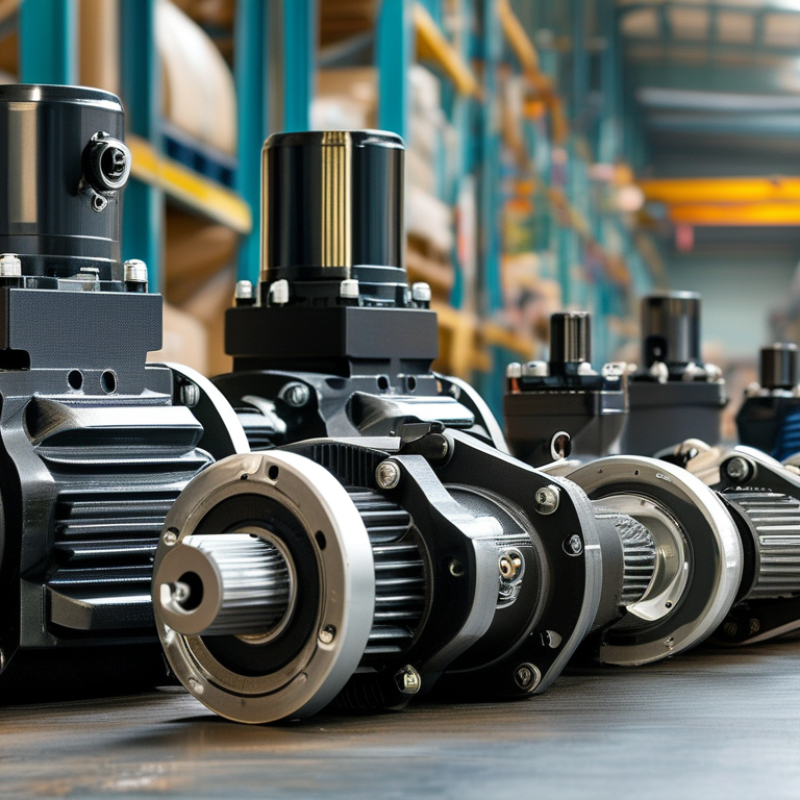
Electric gear motors serve diverse applications across various industries. These motors combine the advantages of electric power with gear reduction technology. They enhance torque while ensuring a compact design. Common types include AC and DC gear motors. Each type has unique benefits depending on the application's requirements. AC motors are reliable for constant speed tasks, while DC motors offer precise speed control.
In industrial settings, electric gear motors drive conveyor systems and automated machinery. They are also found in robotics, where precise movements are crucial. The choice of motor type greatly impacts efficiency. Incorrect selection can lead to operational inefficiencies. Importers should consider the specific application needs. Factors like load capacity and speed requirements must align with the motor's specifications. It's easy to overlook these details, yet they are critical for success.
As you explore options, research is vital. Seek reliable information sources and supplier reviews. Being informed helps in making sound decisions. However, even the most knowledgeable buyers can make mistakes. Evaluate feedback from previous import experiences to improve future choices. Recognizing past errors is essential for growth in this complex purchasing process.
When purchasing electric gear motors, understanding key specifications is crucial. Consider voltage and power ratings carefully. These determine the motor's performance and compatibility with your existing systems. Selecting a motor with the wrong voltage can lead to inefficiency or damage.
Another important specification is the gear ratio. This affects the speed and torque of the motor. A higher gear ratio means more torque but less speed. However, it’s vital to align the gear ratio with your application’s requirements. Choosing incorrectly can result in unanticipated challenges.
Pay attention to efficiency ratings as well. A more efficient motor can save costs over time. It’s common for importers to overlook this aspect, focusing solely on price. However, a higher initial investment in quality can yield significant savings. When evaluating suppliers, ask about testing and certifications. This helps ensure reliability and performance. Quality control standards vary, and verifying these can prevent issues down the line.
This bar chart illustrates key specifications to consider when purchasing electric gear motors, including torque, speed, voltage, power, and efficiency, which are crucial for global importers in making informed decisions.
When evaluating suppliers for electric gear motors, trustworthiness is paramount. Reliable manufacturers should have a solid reputation in the industry. According to a 2022 market analysis, around 40% of global importers report issues with product quality due to poor supplier vetting processes. Hence, it's crucial to do thorough research before making any commitments.
Look for suppliers with documented certifications. Verify if they meet international standards such as ISO 9001 for quality management. A report by the International Electrotechnical Commission noted that compliant manufacturers tend to have lower defect rates, often around 5% compared to 15% in non-compliant operations. Furthermore, investigating customer reviews can provide insights into a supplier's responsiveness and after-sales support.
Consider engaging in direct communication with potential suppliers. This can reveal their transparency and willingness to share information. Seek out third-party assessments or audits that validate their production capabilities. Some importers overlook the importance of this due diligence. It’s easy to be swayed by attractive pricing, but the long-term reliability of the motor is often worth the investment.
When importing electric gear motors, price comparison is crucial for making informed decisions. According to recent industry reports, prices can vary significantly based on motor specifications and sourcing regions. A standard high-torque gear motor can range from $150 to over $1,000. Factors affecting these prices include material quality, manufacturer reputation, and shipping costs.
Competitors may offer lower prices, but this often comes at the cost of durability. A study by the International Electromechanical Commission highlighted that low-cost motors might have higher maintenance needs. The average downtime for inexpensive models can reach 20% more than reliable brands. Importers should also consider warranty terms. Reliable suppliers often offer warranties between 12 to 24 months. Price alone shouldn't determine the choice.
Incorporating additional costs into price comparisons is essential. Import duties and taxes can inflate the overall expense by up to 30%. Negotiating bulk order discounts can also change the landscape of pricing. It’s important to weigh these additional fees against the potential savings. Taking time for thorough market research can lead to better purchasing outcomes.
| Motor Type | Voltage (V) | Power (W) | Speed (RPM) | Price (USD) | Supplier Location |
|---|---|---|---|---|---|
| DC Gear Motor | 12 | 30 | 200 | 50 | China |
| AC Gear Motor | 220 | 100 | 1500 | 120 | Germany |
| Stepper Gear Motor | 24 | 40 | 300 | 75 | USA |
| Geared Servo Motor | 48 | 150 | 4000 | 250 | Japan |
| High Torque Gear Motor | 110 | 200 | 100 | 180 | South Korea |
When importing electric gear motors, understanding shipping and import regulations is vital. Essential documentation includes a bill of lading, commercial invoice, and packing list. Ensure all forms are accurate and complete to prevent delays in customs. Each country has specific customs requirements, which can vary significantly. Researching import tariffs or quotas is necessary to avoid unexpected costs.
Many global importers overlook compliance with safety standards. Electric gear motors often need certifications, like CE markings or UL listings, for specific markets. Without these, shipments may be denied entry. Connecting with local experts can help navigate these complex regulations. Misunderstandings can lead to costly mistakes, like fines or returns.
Consider the logistics of shipping too. Choosing reliable freight carriers minimizes disruptions. Delays can arise during transit due to customs inspections or inaccurate paperwork. Importers often need to remain flexible in their schedules. Coordination with suppliers ensures timely delivery while meeting all requirements. Every detail matters in this process.
: Price comparison helps make informed decisions, as prices vary significantly based on specifications and sourcing regions.
Material quality, manufacturer reputation, and shipping costs all affect motor prices significantly.
Inexpensive motors may require more maintenance and have higher downtime, leading to increased overall costs.
Reliable suppliers often provide warranties between 12 to 24 months, which can be crucial for long-term use.
Import duties and taxes can add up to 30% to the total cost, so include these in your comparisons.
Key documents include a bill of lading, commercial invoice, and packing list to prevent customs delays.
Gear motors often need certifications like CE markings; without them, shipments may get denied entry.
Work with local experts and reliable freight carriers to navigate regulations and minimize shipping disruptions.
Stay flexible and coordinate with suppliers to ensure timely delivery and compliance with new requirements.
Overlooking compliance can lead to fines or hefty returns, so always check the regulations carefully.
When considering the purchase of Electric Gear Motors, global importers should first understand the various types and applications of these motors to ensure they select the right product for their needs. Key specifications such as torque, speed, and mounting options are critical factors that influence performance and compatibility with existing systems.
Moreover, evaluating suppliers is essential; choosing reliable manufacturers can significantly impact the quality and longevity of the motors. Price comparison strategies should also be employed to secure the best deals without compromising on quality. Lastly, importers should familiarize themselves with shipping and import regulations to ensure a smooth transaction process. Overall, a thorough understanding of these components will enable importers to make informed decisions when acquiring Electric Gear Motors.

YWOO Motor