Choosing the right Torque Motor is crucial for businesses seeking efficiency and productivity. According to a recent report by the International Society of Automation, the global torque motor market is projected to reach $3.5 billion by 2025. This significant growth highlights the increasing reliance on torque motors across various industries, including manufacturing and robotics.
Expert James Thompson, a recognized authority in automation technologies, states, “The right torque motor can drastically improve operational performance.” His insight emphasizes the importance of selecting a motor that aligns with your specific needs. Parameters like torque ratings, efficiency, and application suitability must guide your decision.
However, navigating these choices can be complex. Many businesses face challenges when identifying their requirements and understanding motor specifications. Often, companies overlook critical factors that could lead to suboptimal performance. Investing time in research and expert consultation can prevent costly mistakes and enhance operational efficiency.
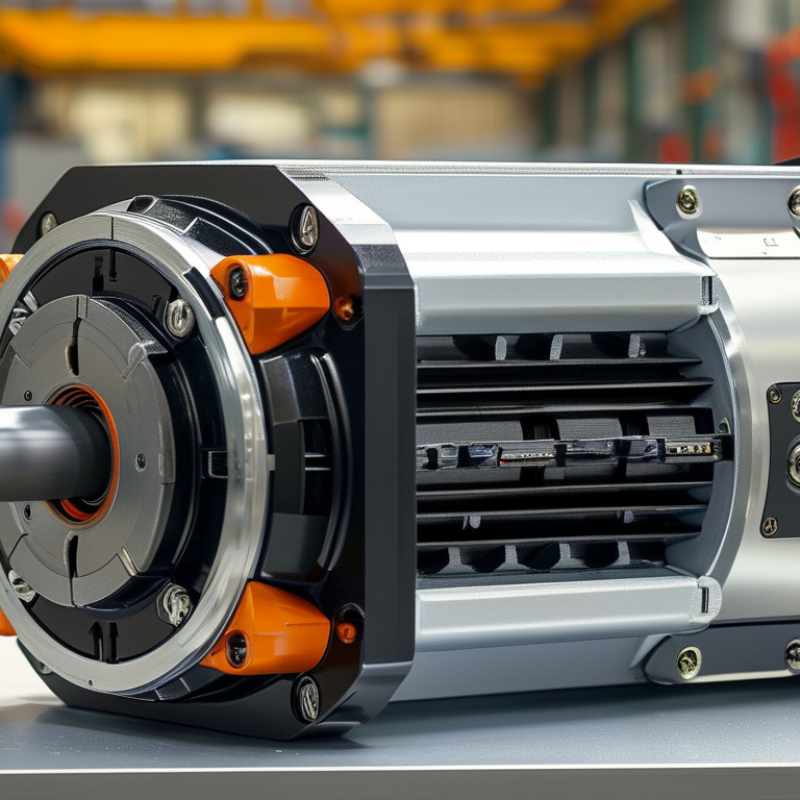
Torque motors are essential tools in various industries, providing precise control in applications like robotics, automation, and conveyor systems. Understanding different types of torque motors is crucial for selecting the right one for your needs. There are generally two categories: AC torque motors and DC torque motors. AC motors are preferred for continuous operations, while DC motors excel in applications requiring quick start and stop functions. Industry reports indicate that the global torque motor market is expected to grow by 6.5% annually, highlighting the increasing need for these components.
When choosing a torque motor, consider the load and speed requirements. High torque motors can handle demanding loads but may lack speed. For applications needing both, consider a motor with a balanced torque-speed curve. Industry experts recommend evaluating your application needs thoroughly. Look for detailed specifications and load curves that match your operational demands.
It’s essential to consult with engineering professionals when necessary. They can provide insights that might not be immediately obvious. Real-world testing also aids in refining your choices. Collect feedback from operators to assess motor performance. Understand that what works for one application may not suit another. Continuous assessment of your motor's performance in your specific environment is vital for long-term success.
When selecting a torque motor for your business, several key factors play a crucial role. Understanding your application's specific needs is essential. Torque, speed, and size are primary considerations. Ensure the motor can deliver the required performance without oversizing, which could impact efficiency.
Evaluate the motor's duty cycle and environmental conditions. Consider if it must withstand high temperatures, moisture, or dust. These factors influence longevity and effectiveness. Explore energy consumption as well. A more efficient motor may lead to significant cost savings over time. Don't overlook the importance of noise level, especially in a workplace where sound can disrupt operations.
Tips often go unnoticed, yet they can enhance decision-making. Look for motors with adjustable settings for flexibility. Check for easy maintenance options that can save time and resources later. Sometimes, a more complex motor setup can simplify operations in the long run. Always consult experts if uncertainties arise in your selection process. Balancing performance and reliability is key to finding the right motor for your needs.
Choosing the right torque motor involves a careful assessment of your business needs and applications. Start by identifying the specific tasks the motor will perform. Consider the required torque level, speed, and operational environment. For instance, a high-torque motor may be essential for heavy machinery, while precision tasks could require a different approach. Each application demands unique specifications, and understanding these can significantly impact performance.
Look into the operating conditions as well. If your motor will face extreme temperatures or exposure to dust, ensure it meets those criteria. It's not merely about purchasing a motor; it's about fitting it into your existing systems. Thus, compatibility plays a vital role. Evaluate your current machinery and workflows. How will the new motor integrate? This reflection can save you time and resources in the long run.
Lastly, gather insights from industry experiences. Research common challenges or failures associated with torque motors in your sector. Many businesses overlook the importance of ongoing maintenance. Discussing these factors with professionals can provide additional guidance. Crafting a fitting solution requires both knowledge and foresight, and that begins with a thorough assessment.
When selecting a torque motor, evaluating quality and reliability is crucial. Quality directly impacts performance and longevity. A reliable motor minimizes downtime and maintenance costs. It is essential to consider the manufacturing processes involved. Look for torque motors built with precision engineering and high-grade raw materials. The assembly of the motor should adhere to strict quality control standards.
Reliability can often be gauged through testing and certifications. A manufacturer’s reputation can provide insights into their product reliability. Investigating customer reviews and case studies can reveal performance insights over time. Real-world applications can shine a light on how these motors handle various loads and conditions. It’s wise to seek data on failure rates and warranty offerings, as these metrics often reflect the true reliability of the motor.
Another aspect to ponder is the motor's adaptability to changing demands. Businesses often face evolving requirements. A torque motor that is versatile will serve better in dynamic environments. Additionally, seek out those that allow easy maintenance. A motor might offer great specifications but could prove unfeasible if servicing is complicated. Balancing performance with practicality ensures a sound investment in the long run.
When budgeting for torque motors, consider both initial costs and long-term value. The price of a torque motor can vary widely based on specifications. A high-performance motor may cost more upfront but could save money over time through energy efficiency and durability.
Evaluate the motor's expected lifespan. Cheaper options might require frequent replacements or maintenance, increasing overall costs. Investing in a reliable motor often means fewer disruptions and lower downtime in production. This can significantly impact overall productivity.
Analyze your business needs. A powerful motor might be tempting, but ensure it's suitable for your applications. Sometimes, a less expensive option will fulfill your equipment needs without overpaying. Balancing cost with functionality is essential for smart budgeting in torque motors.
| Motor Type | Torque (Nm) | Cost ($) | Efficiency (%) | Lifespan (Years) | Maintenance Cost ($/Year) |
|---|---|---|---|---|---|
| DC Brushed Motor | 5 | 150 | 75 | 4 | 20 |
| DC Brushless Motor | 10 | 300 | 85 | 10 | 15 |
| Stepper Motor | 20 | 250 | 70 | 5 | 30 |
| Servomotor | 15 | 500 | 90 | 12 | 40 |
| AC Induction Motor | 25 | 400 | 80 | 15 | 25 |
: Start by identifying the specific tasks the motor will perform. Consider torque level, speed, and operational environment.
Ensure the motor can handle extreme temperatures or dust exposure. Compatibility with existing systems is crucial.
A new motor must integrate well with current machinery and workflows. This reflection can save time and resources.
Look for precision engineering and high-grade materials. Strict quality control standards during assembly are essential.
Testing, certifications, and customer reviews can reveal performance insights. Investigate failure rates and warranty offerings for guidance.
Yes, choose a motor that can adapt to changing demands. Versatility is key in dynamic environments.
Consider initial costs and long-term value. A reliable motor may have a higher upfront cost but save money over time.
High-performance motors may cost more now but can offer energy efficiency and durability. Weigh these benefits against your needs.
Sometimes, a less costly option will meet your needs without overpaying. Balance cost with functionality for smart budgeting.
A motor may have great specs but could be unfeasible if servicing is complicated. Easy maintenance is essential for long-term use.
Choosing the right torque motor for your business involves a comprehensive understanding of what torque motors are and the various types available. It is essential to consider key factors such as operational efficiency, compatibility with your application, and the required torque specifications. Each application may demand different torque motor characteristics, so assessing your specific business needs is crucial for optimal performance.
Quality and reliability are paramount when selecting a torque motor, as they directly impact the longevity and efficiency of your operations. Furthermore, budgeting for torque motors entails evaluating both the initial costs and the long-term value they provide. By carefully analyzing these factors, businesses can make informed choices that lead to enhanced productivity and cost-effectiveness.

YWOO Motor