Choosing the right Stepper Motor for your project is crucial. This decision can greatly impact your system's performance and overall efficiency. Stepper motors are unique. They convert electrical pulses into precise mechanical movements. But not all stepper motors are created equal.
Understanding your project’s requirements is essential. Consider factors like torque, speed, and precision. The type of control system you plan to use also matters. Do you need open-loop or closed-loop control? These questions can guide your choice.
Selecting the wrong motor leads to issues. You might face power shortages or insufficient torque. It's important to evaluate your options carefully. Consult with experts when needed. Research reputable brands and specifications to ensure reliability. Remember, the right Stepper Motor will enhance your project’s effectiveness.
Understanding the Basics of Stepper Motors
Stepper motors are vital in many applications, from 3D printers to robotics. Understanding the basics helps in selecting the right motor for your project. They offer precise control of position, making them an excellent choice for tasks that require accuracy. Stepper motors operate by dividing a full rotation into a set number of steps. Each step moves the rotor by a specific angle, providing fine control.
When evaluating stepper motors, consider torque and speed. Different projects require different torque levels. A motor that works well for one application might lack the necessary torque for another. Speed is equally important, as higher speeds can lead to overheating if not managed properly. Take note that higher performance often comes at the cost of efficiency.
There are various types of stepper motors, including permanent magnet and hybrid models. Each type has its own characteristics. Hybrid stepper motors deliver higher performance but can be more complex to control. Permanent magnet motors are simpler but may not meet the demands of all projects. It's essential to match the motor's specifications with your requirements. Testing a few options can lead to valuable insights, revealing what truly works for your setup.
Identifying Your Project Requirements and Specifications
When selecting a stepper motor, it is crucial to understand the specific requirements of your project. Factors such as torque, speed, and precision play significant roles in determining the right motor. For instance, according to a report by Allied Market Research, the global stepper motor market is projected to reach $5.87 billion by 2027, highlighting the importance of making informed choices.
Consider your project's load requirements. If the application demands high torque, a hybrid stepper motor may be suitable. These motors combine the best features of variable reluctance and permanent magnet stepper motors. Another aspect to examine is step angle. Motors with smaller step angles offer better precision, which is vital for applications like 3D printing or CNC machines. Remember that all stepper motors have limitations. Overlooking these can lead to performance issues.
Tips: Always test your selected motor under actual working conditions. Adjusting settings based on real-world feedback can prevent failures. Ensure your power supply meets the motor’s specifications. Using an inadequate power source can cause erratic behavior. This step is often underestimated, yet it is essential for smooth operation. Do not rush into a decision; take your time to evaluate all aspects carefully.
Comparing Different Types of Stepper Motors
Stepper motors come in various types, each with unique characteristics. Understanding these differences is essential for selecting the right motor for your project. The two main types are permanent magnet (PM) and variable reluctance (VR) stepper motors. PM motors are known for their high torque at low speeds. They work well in applications needing precise control. On the other hand, VR motors excel in applications requiring higher speeds. However, they might offer lower torque under certain conditions.
When comparing these motors, consider their step resolution and holding torque. PM steppers often have a higher step resolution, which is vital for applications needing fine movements. Meanwhile, VR motors may struggle in applications requiring strong holding torque. It's essential to match these specifications with your project's demands. Additionally, think about the driving method. Bipolar and unipolar configurations impact how the motor performs. Each has advantages and trade-offs that influence your project's effectiveness.
Lastly, reflect on the project’s environment. Stepper motors can be sensitive to heat and vibration. Environmental conditions may affect motor performance. If possible, test various options in real-world scenarios. Adjustments can lead to better outcomes. Ensure your motor can handle the specific conditions it will face. Embracing this knowledge will lead to a more informed decision.
Evaluating Driver and Controller Options for Stepper Motors
When selecting a stepper motor for your project, evaluating the driver and controller options is crucial. Stepper motors require precise control, which depends significantly on the driver architecture. According to a report by Research and Markets, the stepper motor driver market is expected to grow at a compound annual growth rate (CAGR) of 5.1% from 2022 to 2030. This growth reflects a higher demand for various applications, ranging from robotics to CNC machines.
Choosing the right driver involves understanding the motor's specifications. For instance, constant current drivers can deliver optimal torque and performance. Meanwhile, microstepping drivers provide smoother operation and increased resolution. However, microstepping comes with trade-offs, including a slight reduction in torque. It's noteworthy that some users report issues with excessive noise in systems utilizing microstepping. Careful consideration of your project's requirements is essential.
In addition, the controller must match the driver capabilities. Industry standards often use open-source controllers for flexibility and customization. A recent survey revealed that 45% of developers prefer open-source options. While they provide adaptability, they may lack the stability of proprietary systems. This variability can lead to debugging challenges. Analyzing these aspects will enhance your project's success rate.
Stepper Motor Performance Comparison
Budgeting and Sourcing the Right Stepper Motor Components
When budgeting for a stepper motor, consider the overall project requirements carefully. A high-quality stepper motor can significantly impact performance but can also strain your budget. For small-scale projects, you might find a budget between $30 to $100 per motor. In contrast, high-end motors can exceed $500 based on specifications like torque, precision, and durability.
Sourcing is equally crucial. Prices vary widely among suppliers. Research indicates that the stepper motor market is expected to grow at a CAGR of 5.1% from 2021 to 2026, driven by automation and robotics. Understanding the supply chain can help you navigate fluctuating prices. It's essential to compare specifications and warranties. Sometimes, cheaper options might save upfront costs but lead to higher maintenance expenses. Always assess the source's reliability, as low-grade components can undermine project integrity.
Finally, consider the availability of support and documentation when sourcing components. Not all suppliers provide adequate resources. A well-documented product can ease the integration into your project. Prioritizing quality and support can prevent future disruptions. A little extra investment in sourcing the right components can lead to better performance down the road.
FAQS
: Evaluate torque, speed, and precision based on your project demands. Consider the load requirements too.
They combine features of different motor types to optimize performance. This versatility suits demanding projects.
Smaller step angles enhance precision. This is crucial for applications like 3D printing or CNC machines.
Always test motors under real working conditions. Adjust settings based on actual performance feedback.
It’s vital. An inadequate power source can cause erratic motor behavior. Ensure the specifications match.
Small-scale motors usually cost between $30 to $100. High-end motors can exceed $500 depending on features.
Prices vary among suppliers. Research and compare specifications and warranties for the best deal.
They can undermine project integrity. This may lead to performance issues down the line.
Good documentation aids integration into projects. It can prevent future disruptions in performance.
Yes, investing in quality can yield better long-term performance. Cheaper options may incur higher maintenance costs.
Conclusion
When selecting the right stepper motor for your project, it's crucial to start by understanding the fundamental principles of how stepper motors operate. This foundational knowledge lays the groundwork for identifying your specific project requirements and specifications, ensuring that the motor you choose aligns with your application needs.
Next, comparing different types of stepper motors will help you determine which design and configuration best suit your project goals. Additionally, examining driver and controller options is vital for effective motor operation and integration. Finally, budgeting and sourcing the necessary stepper motor components should be addressed to balance performance with cost-effectiveness. Collectively, these steps will guide you in making an informed decision on choosing the appropriate stepper motor for your specific application.
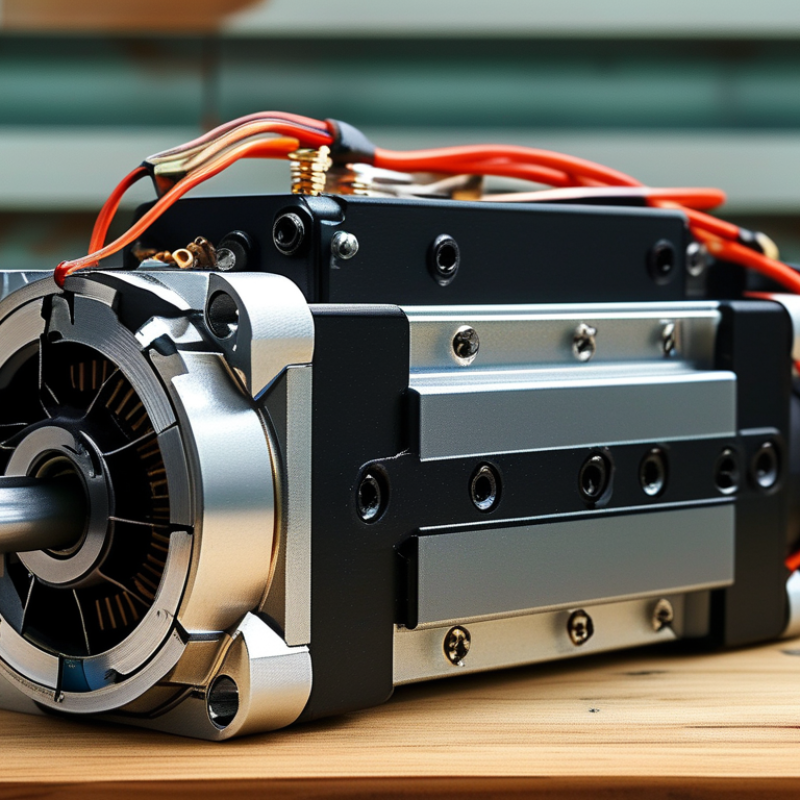

 YWOO Motor