In the world of industrial machinery, the choice of components can make or break operational efficiency. High Torque Gear Motors stand out as a preferred option for many applications that demand strength and precision. According to industry expert Dr. Samuel Turner, “High Torque Gear Motors provide the reliability that industries need for heavy-duty tasks.” These motors are engineered to deliver exceptional power with optimal control, ensuring that machinery performs at its best under challenging conditions.
The benefits of using a High Torque Gear Motor, particularly in heavy machinery, are numerous. They enable smoother and more controlled movements, which can lead to improved safety and productivity. However, not all applications necessarily require high torque. Evaluating specific needs is crucial. Sometimes, businesses might overestimate their torque requirements, leading to inefficiencies and unnecessary costs.
Implementing the right High Torque Gear Motor is essential for maximizing performance. Companies must assess their machinery demands carefully. Relying on expert guidance can provide valuable insights, but the decision should be tailored to fit the unique operational context of each business. Thoughtful consideration and analysis can lead to better outcomes in industrial applications.
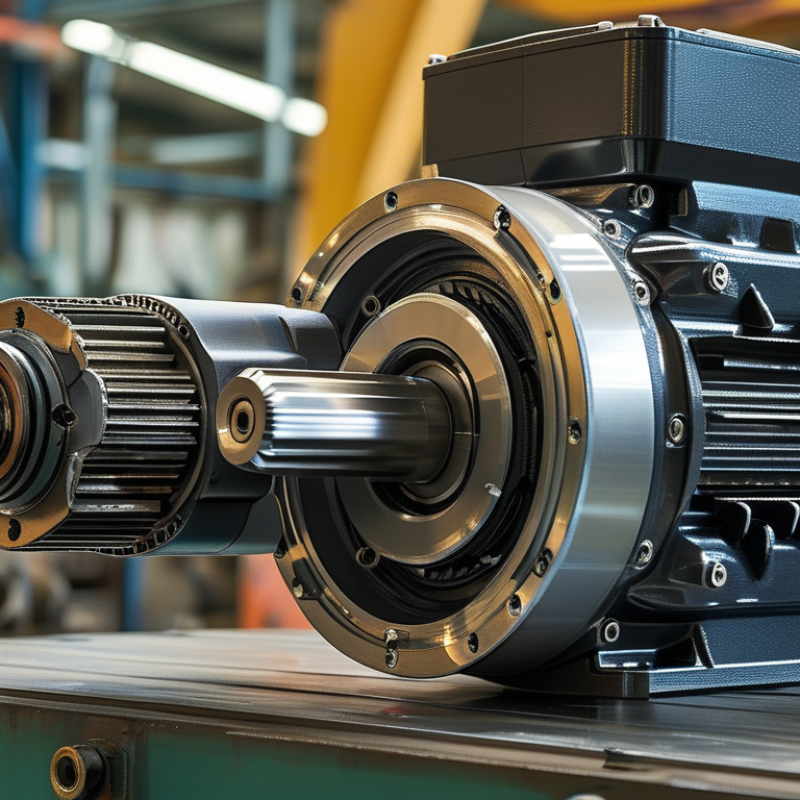
Understanding High Torque Gear Motors and Their Functionality
High torque gear motors are essential components in many industrial applications. They combine high torque output with efficiency, making them ideal for various tasks. These motors function by utilizing gears to amplify the force produced by the motor. This allows for powerful movement, even under heavy loads. The increased torque capacity ensures that machinery can operate smoothly, even in demanding environments.
When selecting high torque gear motors, understanding their functionality is crucial. These motors often feature precise gearing that converts rotational energy into a powerful output. This conversion is not always perfect; some energy may be lost as heat. Manufacturers work to minimize this loss to enhance performance. Moreover, depending on the application, motor size and configuration can significantly impact operational efficiency.
Installation and maintenance are also vital considerations. Properly aligning and securing the motor can prevent wear and tear. Regular checks on gear integrity and lubrication help sustain functionality. However, this requires a commitment from operators to ensure long-lasting operation. Engaging with experts in the field can provide valuable insights into optimizing performance and addressing potential issues.
Key Advantages of High Torque Gear Motors in Industrial Applications
High torque gear motors are essential in many industrial applications. Their design enables them to deliver high power with optimal efficiency. This combination makes them particularly valuable in tasks requiring substantial force, such as conveyor systems and heavy machinery.
One key advantage of high torque gear motors is their ability to handle extreme loads. They provide consistent performance, even under demanding conditions. This reliability reduces the risk of equipment failure. Businesses can maintain smooth operations without frequent interruptions. Some operators, however, overlook the importance of selecting the right motor for specific tasks. This can lead to inefficiencies and increased wear over time.
When choosing a high torque gear motor, consider the operational environment. Motors exposed to dust, moisture, or chemicals require specific designs for durability. Regular maintenance of these motors is crucial too. Neglect can result in unnecessary downtime and increased maintenance costs. Invest in periodic assessments to ensure optimal performance. Proper care extends the lifespan of gear motors significantly.
Why Choose High Torque Gear Motors for Your Industrial Needs? - Key Advantages of High Torque Gear Motors in Industrial Applications
| Feature |
Description |
Benefit |
| High Torque Output |
Generates high torque relative to size, enabling efficient power transmission. |
Enhances performance in demanding industrial applications. |
| Compact Design |
Space-saving design suitable for tight installation areas. |
Allows for more efficient use of space in machinery layouts. |
| Durability |
Built to withstand heavy loads and harsh operating conditions. |
Reduces maintenance costs and prolongs equipment life. |
| Versatility |
Can be used in a wide range of applications, from conveyors to mixers. |
Provides flexibility for various industrial processes. |
| Energy Efficiency |
Designed to operate with minimal energy consumption. |
Contributes to lower operational costs and environmental sustainability. |
Selecting the Right High Torque Gear Motor for Specific Tasks
When selecting a high torque gear motor for industrial tasks, it is crucial to consider the specific requirements of your application. A high torque motor can deliver significant power and precise control. According to a 2022 industry report, roughly 45% of manufacturing companies noted that choosing the right gear motor directly improves operational efficiency. This underscores the need for careful selection.
When evaluating options, consider the load requirements. A motor that provides excessive torque may lead to unnecessary energy consumption and increase wear on components. Conversely, insufficient torque could hinder performance, impacting production timelines. The right torque level ensures optimal productivity. Reports indicate that an accurately matched motor can enhance loading performance by up to 30%.
Additionally, assess the environmental factors of your industry. High humidity or temperature variations can affect motor performance. An incorrect choice might result in frequent maintenance issues. According to engineering studies, around 25% of motor failures stem from environmental mismatches. Understanding these factors is vital to your selection process. Always keep in mind that performance parameters should align with realistic operational needs.
Maintenance and Longevity of High Torque Gear Motors
High torque gear motors play a significant role in various industrial applications. Their strength allows them to operate efficiently under heavy loads. However, maintenance is crucial for their longevity. Regular inspections can identify issues early, preventing costly downtime.
Lubrication is a key factor in maintaining these motors. Regularly checking oil levels and replacing it when necessary can extend the motor's life. Dust and debris can accumulate, causing overheating. It’s essential to keep the motor casing clean. This step is often overlooked, yet it is vital for optimal performance.
Moreover, understanding the load requirements can help in selecting the right motor. Miscalculating loads can lead to premature wear, which is not ideal. Operators should also keep an eye on vibration levels. Excessive vibrations may indicate underlying problems that need addressing. Regular monitoring and maintenance are integral to ensuring high torque gear motors remain efficient and reliable over time.
Comparative Analysis: High Torque Gear Motors vs. Standard Motors
High torque gear motors stand out in industrial applications due to their ability to deliver substantial power at lower speeds. This makes them ideal for heavy-duty tasks like conveyor systems and mixers. Standard motors typically lack the torque needed for such demanding jobs. They may struggle, resulting in inefficiency and potential mechanical failures.
When considering high torque gear motors, one must assess the specific requirements of the machinery. These motors offer enhanced control and reliability, especially in high-load scenarios. In contrast, standard motors can lead to increased wear and a shorter lifespan. A detailed analysis of the operational requirements will highlight the necessity for high torque options in certain environments.
Assessing energy efficiency is crucial. High torque gear motors tend to consume less energy over time, as they often operate at optimal performance levels. This efficiency can directly translate into cost savings. It's important to evaluate the application’s needs versus potential energy consumption. Regular maintenance and monitoring can help ensure these motors run smoothly, minimizing the risk of unexpected breakdowns.
Comparison of High Torque Gear Motors vs. Standard Motors
This chart compares high torque gear motors and standard motors across various performance metrics including efficiency, torque output, size, weight, and cost. The data indicates that high torque gear motors generally excel in efficiency and torque output, while standard motors tend to be lighter and more cost-effective.
Conclusion
High Torque Gear Motors are essential components in various industrial applications due to their unique functionality and efficiency. These motors are designed to provide enhanced torque, making them ideal for demanding tasks that require precision and power. Key advantages include their ability to handle heavy loads, improved energy efficiency, and superior reliability compared to standard motors.
When selecting the right High Torque Gear Motor for specific applications, factors such as load requirements, speed, and environmental conditions must be considered. Proper maintenance further ensures longevity, allowing these motors to operate optimally over time. A comparative analysis highlights that High Torque Gear Motors outperform standard motors in scenarios that demand high performance and durability, making them a preferred choice for industrial needs.

 YWOO Motor