In the world of industrial automation, the choice of a Servo Motor is crucial. These motors are known for their precision, speed, and efficiency. Selecting the best Servo Motor for your specific application can be challenging. With various options available, it's easy to feel overwhelmed by the technical specifications.
Understanding your needs is essential. Different industries require different characteristics from their motors. For instance, some applications demand high torque, while others focus on speedy and precise movements. Industrial applications vary significantly, which complicates the decision-making process.
It's important to rely on expert insights when choosing a Servo Motor. Look for brands with a proven track record of reliability. However, not every high-tech solution will be perfect for your situation. Sometimes, the most advanced motor may not meet your unique requirements. Reflecting on past experiences can guide your choice, ensuring you invest wisely in your operations.
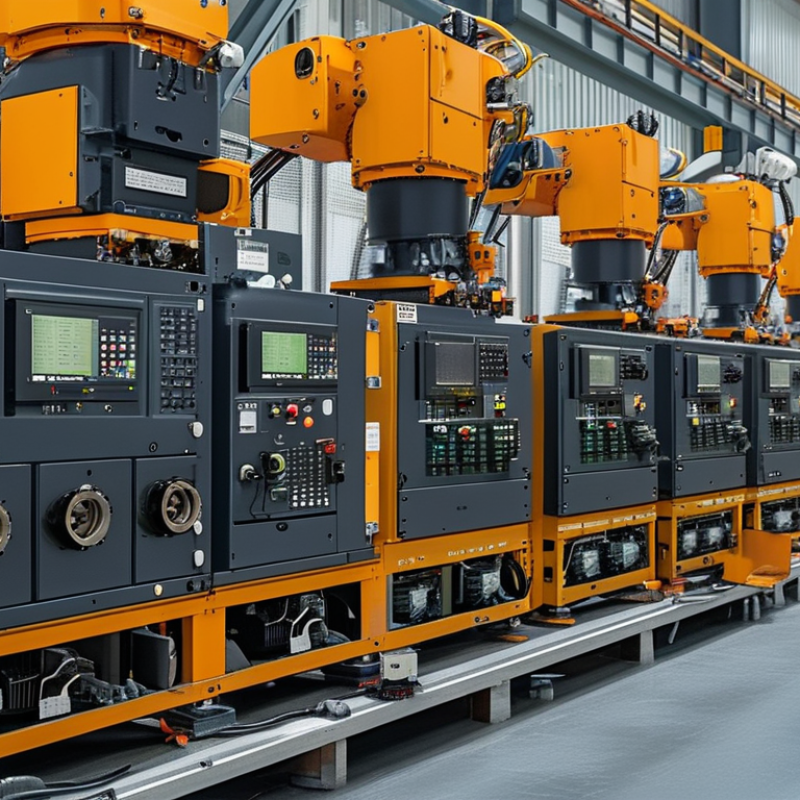
Understanding servo motors is crucial for industrial applications. These motors are integral in automation and robotics, offering precise control over movement. There are different types of servo motors, including AC, DC, and stepper types. Each serves specific roles based on application needs and power requirements.
AC servo motors are known for high efficiency and torque consistency. They are often used in assembly lines and CNC machinery. In contrast, DC servo motors are favored for their simplicity and cost-effectiveness. They shine in applications requiring rapid acceleration and deceleration. Stepper motors, with their ability to divide a full rotation into smaller steps, are ideal for applications needing accurate positioning.
**Tips:** When selecting a servo motor, consider the required torque and speed. Don't overlook environmental factors such as temperature and humidity. Understanding your machinery's requirements will lead to better performance.
Remember that the integration of servo motors into existing systems may pose challenges. Ensure compatibility with control systems. Seek advice from experts to optimize your setup for success in dynamic industrial environments.
Choosing the right servo motor for industrial applications can be complex. Several key factors must be considered. Performance requirements play a significant role. The torque, speed, and precision needed for your application will heavily influence your choice. Too often, engineers underestimate the importance of these parameters, leading to inadequate performance.
Another critical aspect is the environment in which the servo motor will operate. Dust, moisture, and temperature can significantly affect motor performance. Motors used in harsh environments may need special enclosures or coatings, which can add to the cost. It's essential to assess these conditions thoroughly. Many fail to factor in these elements, resulting in premature motor failure.
Cost also plays a critical role in decision-making. However, a lower price tag isn’t always an advantage. Investing in a higher-quality motor can save money in the long run due to reduced maintenance and longer life. Quite a few buyers regret choosing cheaper options when they face frequent downtimes. A careful evaluation will help prevent these mistakes and lead to better choices.
| Feature | Description | Importance |
|---|---|---|
| Torque Rating | The maximum torque the motor can produce. | Critical for performance in heavy-load applications. |
| Speed | Operational speed of the motor, typically in RPM. | Affects cycle time and throughput in production. |
| Feedback Type | Type of feedback mechanism (e.g., encoder, resolver). | Essential for accuracy and control in positioning. |
| Voltage Rating | Input voltage required for operation. | Must match the power supply available in the application. |
| Size and Weight | Physical dimensions and weight of the servo motor. | Important for space-constrained applications. |
| Operating Environment | Conditions such as temperature and humidity. | Ensures reliability and performance in specific settings. |
When it comes to industrial applications, choosing the right servo motor brand is crucial. These brands vary in performance, reliability, and technology. Many industries require precise control and high efficiency. Often, users face challenges selecting the best fit for their operations. Knowledge of top brands can guide this decision-making process.
Some leading servo motor brands have established a reputation for quality. They often feature advanced technology that enhances performance. Many offer different models to suit diverse applications. Users need to assess their specific needs, such as torque and speed. Not every brand excels in all areas.
While reliability is essential, it’s important to understand potential drawbacks. Some brands may have higher costs, affecting budgets. Maintenance requirements can also vary significantly. Research and comparisons can help users find a balance between cost and reliability. Selecting the right brand may not be straightforward, but it’s vital for long-term success.
Servo motors play a crucial role in automation and robotics. They provide precise control of angular or linear position, velocity, and acceleration. This high level of accuracy is vital for tasks like assembly, pick-and-place, and CNC machining. Industries prioritize precision to ensure quality and efficiency.
In robotic applications, servo motors enable smooth movements. They allow robotic arms to perform repetitive tasks with minimal errors. For instance, in a manufacturing line, a servo motor ensures consistent product assembly. However, selecting the right motor can be challenging. Factors like torque requirements, speed, and integration with existing systems must be considered.
Moreover, the reliability of servo motors is essential in critical applications. Any malfunction can lead to costly downtime. Maintenance practices should be established to monitor servo performance closely. Reflecting on these aspects demonstrates the importance of informed decision-making in motor selection. Understanding your needs is key.
Maintaining servo motors is crucial for ensuring their longevity and optimal performance. Regular checks can prevent unexpected failures. According to industry research, nearly 30% of servo motor failures are attributed to inadequate maintenance practices. Routine inspection of wiring and connections can thwart many operational issues.
Tips: Tighten all electrical connections regularly. A loose connection can lead to overheating and eventual failure. Consider using vibration analysis to detect abnormalities early. This technique can predict potential issues, allowing for timely interventions.
Troubleshooting servo motors involves diagnosing problems effectively. Many technicians overlook the importance of software calibration. Outdated or incorrect parameters can cause motors to behave erratically. A report indicated that calibration discrepancies are a leading cause of downtime, impacting productivity by up to 25%. Always keep the software updated and verify settings after installation.
Tips: Document any changes made during maintenance. This practice provides a reference for future troubleshooting. Also, leverage online forums or communities for additional support during complex issues. Engaging with professionals can offer insights that prevent trivial errors.
: Servo motors provide precise control over movement. They are essential for automation and robotics.
The main types are AC, DC, and stepper motors. Each type is suited for specific applications.
AC servo motors are efficient and offer consistent torque. They are commonly used in assembly lines.
DC servo motors are simple and cost-effective. They are great for applications needing fast acceleration.
Stepper motors divide a full rotation into smaller steps. This feature allows for accurate positioning.
Evaluate the required torque and speed. Also, think about environmental factors like temperature and humidity.
Compatibility with control systems can pose problems. Expert advice may be necessary for smoother integration.
Malfunctions can cause costly downtime. Regular maintenance is important to monitor performance closely.
Some brands can be more expensive. Maintenance requirements may vary, impacting your budget.
Understand your specific needs and requirements. This approach will help in making informed decisions.
This article provides a comprehensive guide to understanding servo motors, which are essential components in various industrial applications. It begins by explaining the different types of servo motors and their functions, highlighting their critical role in automation and robotics. The guide then outlines key factors to consider when selecting a servo motor, such as torque, speed, and control systems, ensuring industry professionals can make informed decisions.
Additionally, the article explores applications of servo motors in automation and robotics, showcasing their versatility in enhancing operational efficiency. Finally, it offers valuable maintenance and troubleshooting tips to help users sustain optimal performance and longevity of their servo motors. This informative resource serves as a fundamental reference for those looking to implement or optimize servo motor technology in their industrial processes.

YWOO Motor