As we look ahead to 2026, the world of Brushless DC Motors is evolving rapidly. These motors are becoming increasingly essential in various industries. Manufacturers and engineers are keen to understand emerging trends that influence their use.
Brushless DC Motors offer durability and efficiency. They operate quietly and require less maintenance compared to traditional motors. However, the growing demand brings challenges. It is vital to adapt to new technologies. Buyers are faced with many options and must choose wisely.
In this dynamic landscape, staying informed is crucial. Trends in energy efficiency, design advancements, and control systems are shaping the future. Understanding these factors can lead to better purchasing decisions. Being aware of potential pitfalls is equally important. Buyers must remain critical and thoughtful in their choices.
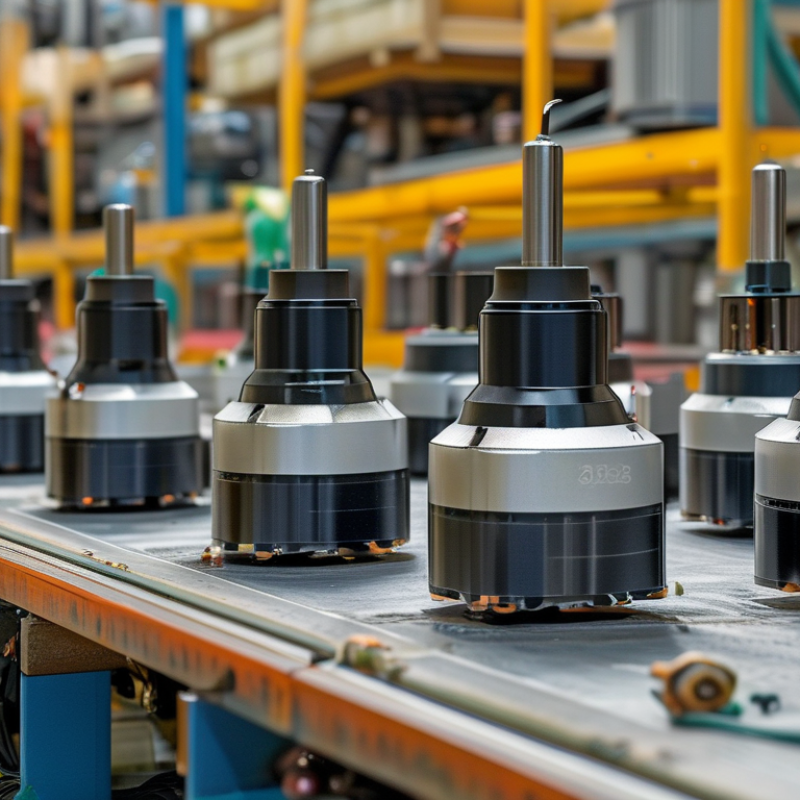
The landscape of brushless DC motors is rapidly evolving as new technologies emerge. In 2026, advancements will likely include improved energy efficiency and reduced noise levels. These enhancements are crucial for applications in various sectors, from automotive to robotics. The integration of artificial intelligence (AI) can optimize motor performance and enable predictive maintenance.
Another trend to watch is the growing use of advanced materials. The development of lightweight composites can reduce weight without sacrificing durability. Additionally, more compact designs could emerge, which facilitate easier integration into tight spaces. However, the challenge remains in balancing performance with cost. Innovations must still ensure they are economically viable for manufacturers.
Improved thermal management will likely become a focus area as well. Effective heat dissipation in motors can enhance reliability and lifespan. There are ongoing research efforts into innovative cooling techniques that are both efficient and environmentally friendly. As these technologies advance, companies must assess their implementation strategies. Each development presents opportunities but also requires careful consideration of industry standards.
The demand for brushless DC (BLDC) motors is growing due to various market influences. Research shows that the global BLDC motor market is projected to reach $30 billion by 2026, with a compound annual growth rate (CAGR) of 8.5%. This trend is largely driven by the rise of automation and energy efficiency initiatives across multiple industries.
One significant factor is the push towards renewable energy solutions. Industries are increasingly adopting electric vehicles and solar technologies, both of which utilize BLDC motors for their efficiency and reliability. Reports indicate that these motors can improve system performance by up to 30% compared to traditional motors. Additionally, the consumer electronics sector is a rapidly growing market segment for BLDC motors, as manufacturers seek to enhance product longevity and reliability.
Tips: Consider the operational environment when selecting BLDC motors. An ideal motor should fit your application requirements in terms of size and power. Pay close attention to thermal management as motor efficiency can wane under high temperatures. Also, reflect on potential supply chain complexities for sourcing these components globally.
Brushless DC (BLDC) motors are gaining significant traction across various industries. Their efficiency and reliability make them ideal for innovative applications. According to a recent market report, the global BLDC motor market is projected to grow at a CAGR of 10.2% from 2022 to 2027. This reflects their rising popularity among manufacturers and consumers alike.
In the automotive sector, BLDC motors power electric vehicles and enhance energy efficiency. In fact, around 75% of electric vehicles utilize these motors to reduce energy consumption. This is crucial as sustainability becomes a top priority for manufacturers. Simultaneously, the home appliance industry is integrating BLDC motors into devices like refrigerators and washing machines, with energy savings of up to 30%. Such advancements reflect the ongoing commitment to energy efficiency.
However, challenges remain. The high initial cost of BLDC motors can deter manufacturers. Additionally, not all industries fully understand their benefits or capabilities. Education and training will be essential for broader adoption. As industries evolve, overcoming these hurdles will be key to leveraging the full potential of brushless DC technology.
Sustainability and energy efficiency are crucial in the design of brushless DC motors. These motors offer higher efficiency and lower heat generation than traditional ones. Recent studies indicate that brushless DC motors can achieve efficiencies of up to 95%. This means reduced energy consumption in various applications, from electric vehicles to household appliances.
As global concerns about climate change grow, the demand for sustainable solutions rises. A report from the International Energy Agency (IEA) reveals that electric motor systems account for over 40% of global electricity consumption. By using brushless DC motors, industries can significantly lower their carbon footprint. However, manufacturers face challenges in sourcing eco-friendly materials and ensuring their production processes are sustainable.
Designers must stay ahead of trends, integrating smart technologies that enhance efficiency further. Innovations, such as better thermal management systems and advanced control algorithms, are essential. Nevertheless, there is a need for continuous improvement. Balancing performance, sustainability, and cost remains a challenge. The industry must prioritize research to overcome these hurdles and meet the evolving needs of global buyers.
The brushless DC motor market faces both challenges and opportunities in the coming years. According to a recent industry report, the global brushless DC motor market is projected to reach $12 billion by 2026. Competition is intensifying, and manufacturers must innovate continuously to stay relevant. The rise of electric vehicles and renewable energy solutions drives demand. However, sourcing materials for production could become increasingly difficult due to supply chain constraints.
Manufacturers need to focus on efficiency and sustainability. Environmental regulations are tightening, pushing companies to adopt cleaner production methods. Implementing energy-efficient designs is not optional; it’s becoming essential. Reports suggest that motors with higher efficiency can save up to 30% in energy costs compared to traditional counterparts.
: Improved energy efficiency and reduced noise levels are anticipated. These enhancements are important for various industries.
AI can optimize motor performance and enable predictive maintenance, improving reliability and efficiency throughout their lifespan.
The use of lightweight composites is increasing. These materials reduce weight while maintaining durability for improved performance.
Balancing performance with cost remains a critical issue. Innovations must be economically viable for widespread use.
Effective heat dissipation enhances reliability and lifespan. Companies seek efficient cooling techniques to address this concern.
Increasing competition and supply chain constraints challenge manufacturers. They must innovate while managing material sourcing difficulties.
Stricter regulations push companies to adopt cleaner production methods. Energy-efficient designs have become essential for compliance.
Delivering reliable products is necessary to maintain market share. Low-cost options can compromise quality, which must be avoided.
Collaborating with research institutions can lead to innovative solutions. This strategy shortens development time and enhances capabilities.
Automation and AI can streamline processes. Reducing waste and cost is increasingly important for staying competitive.
The article delves into the anticipated trends for Brushless DC Motors in 2026, highlighting several emerging technologies that are set to revolutionize their design and functionality. Key market trends indicate a rising global demand influenced by advancements in automation and electrification across various sectors. Additionally, innovative applications of Brushless DC Motors are being explored in industries such as automotive, robotics, and renewable energy, showcasing their versatility and efficiency.
Sustainability remains a critical focus, with manufacturers increasingly prioritizing energy-efficient designs to meet environmental standards. However, the article also addresses the challenges confronting manufacturers, such as competition and the need for continual innovation. Overall, the landscape for Brushless DC Motors is poised for dynamic growth, presenting both opportunities and hurdles for stakeholders in the industry.
YWOO Motor